
More 1 picture
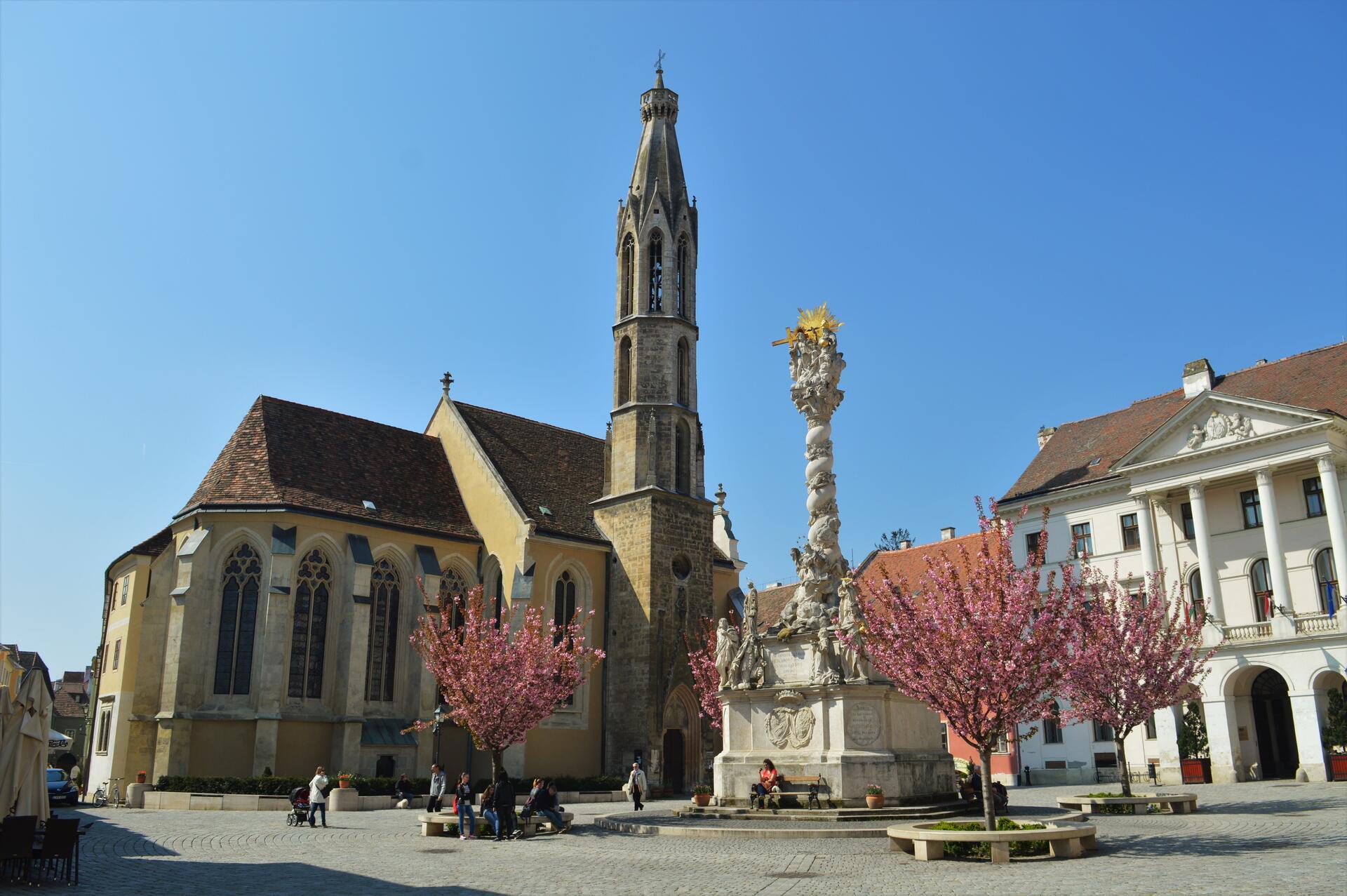
Stop point- Sopron - Church of the Assumption (Goat Church)
The Franciscan monks first built their monastery, then around 1280 they built a church next to it, which is an outstanding work of Hungarian Gothic architecture. The south doorway is decorated with a 15th-century mantled statue of Mary. Its vault and organ case are also 15th century, but its interior is Baroque. Its frescoes and pointed-arch windows are masterpieces. The richly sculpted altarpiece under the medieval pedestals with their distorted human heads is a relic of the 18th century. From one of its pulpits, the Franciscan monk St John Capistrano preached, who was rallying against the Turks before the triumphant Battle of Nándorfehérvár. The other pulpit is an 18th-century work of art, decorated with statues and reliefs. The church has been the scene of many historical events: the coronation of a king in 1625, the coronation of queens, and national assemblies. From 1802, the church was used by the Benedictine monks and was also the burial place of the Esterházy and Széchényi families. The late Gothic chapel hall houses an interactive exhibition together with the church. Also known as the Church of the Goat, the building takes its name from the fact that the coat of arms of its builder, Henrik Geisel, with its goat emblem, can be found on the façade of the tower and on the brackets of the spire.
Hasonló találatok
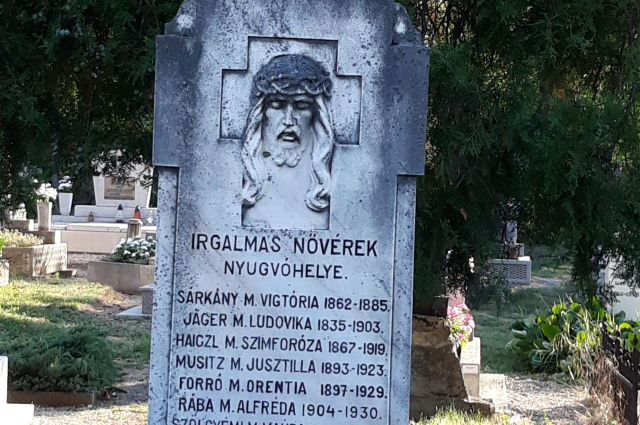
Stop point - Pannonhalma
PannonhalmaSights of Pannonhalma: Church of the Assumption, Way of the Cross, Holocaust Memorial and Synagogue, Papal Memorial Cross
More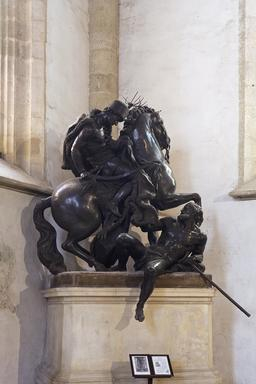
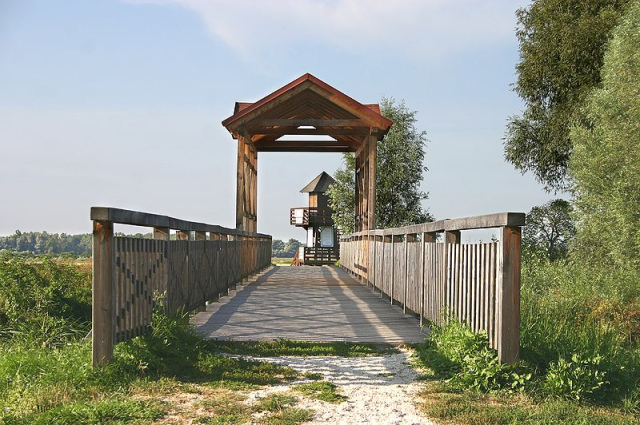
Stop point - Andau - Mosontarcsa bridge
Andau - Mosontarcsai hídThe bridge is not actually in Mosontarcsa, but 10 km south of the village on the Austrian-Hungarian border. The tradition of its...
More
Stop point - Győr - Lutheran Church
Megállópont - Győr - Evangélikus templomThe construction of the church began in April 1784, based on the plans of the master mason Jakab Neumayer, and the consecration...
More