More 3 picture
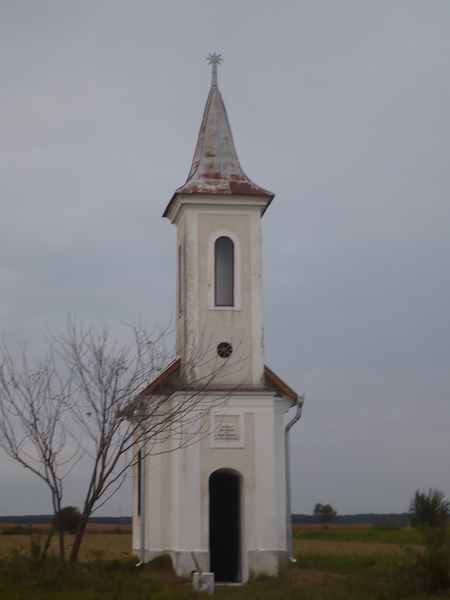
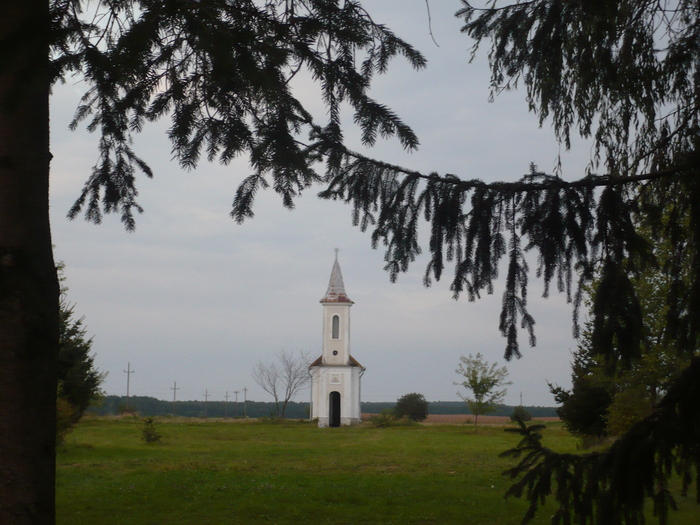
The settlement was a village of the Kerka guards at the time of the existence of the guard organization (XI - XV century). Today's Kerkáskápolna is mentioned in 15th century sources as Alkarika or Kápolnásfalu. In the 1500s it was one of the most populous villages of the Guard, which also had a church. (The name 'chapel' does not necessarily refer to a small building.) The village and its church were burnt down by the Turks in 1612. In the first half of the 18th century, the church was destroyed, and the returning inhabitants built a small wooden church to replace it.
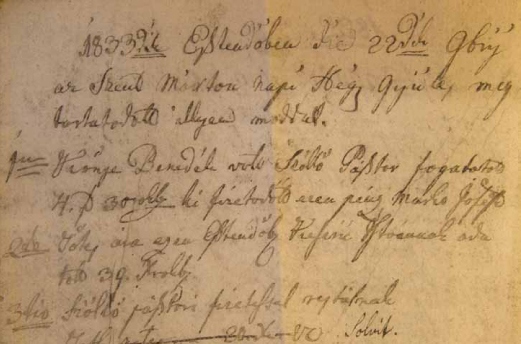
The inhabitants of Kerkáskápolna have been Reformed since the mid-1500s. To the north of the village was a vineyard with its own order until the early 20th century. In honour of Saint Martin, the hill meetings were held around Martin's Day. The 'Minutes of the St Martin's Day Mountain Assembly' are a valuable document of the village's history.
Accommodation in the settlement:
- Angelika Guesthouse
Address.
Tel.: (36) 30 5591-554
E-mail: info@angelikavendeghaz.hu
- Kápolna Guesthouse
Address: 9944 Kerkáskápolna Fő u. 54.
Tel.: (36) 20 2431-020
Email: kapolnavendeghaz@gmail.com
- Reformed Guesthouse
Address: 9944 Kerkáskápolna
Tel.: (36) 94 444-009
E-mail: refbajansenye@gmail.com
Attractions:
- Tamás Balek's private collection of local history
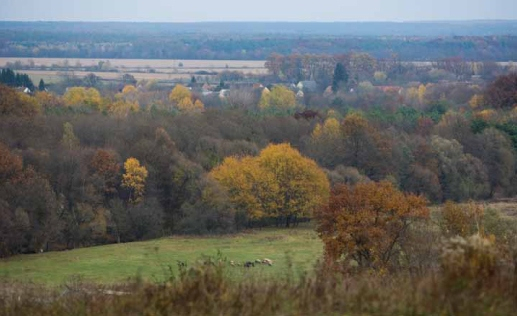
The village is mentioned in 1432 as Dobra, later Dobraföldi, Dobraföld, Dobrafölde. The name probably refers to the fact that in...
More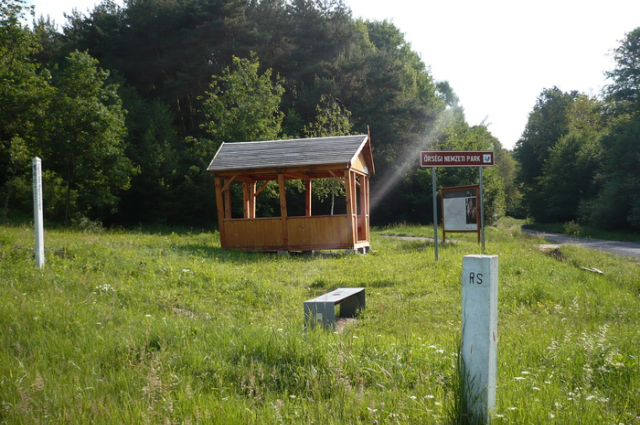
Kercaszomor is a predominantly Reformed settlement. Kecaszomor was created in 1942 by the merger of Kerca and Szomoróc.
More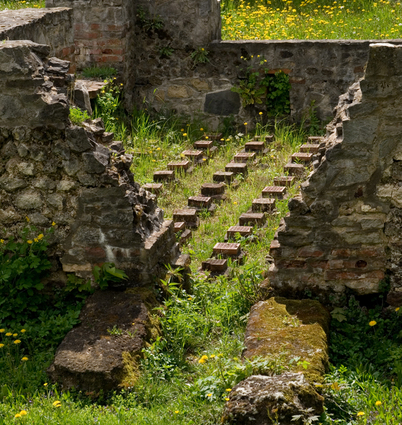
Zalalövő was already an inhabited place and a transport hub in Roman times. The settlement was granted the status of a town by...
More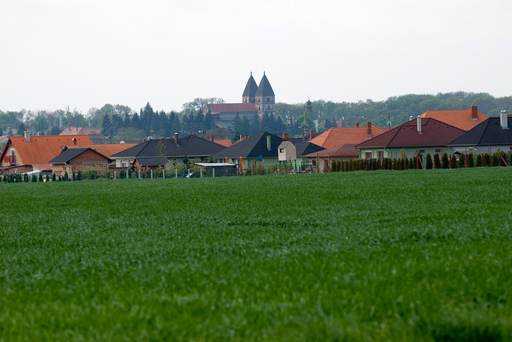
The Abbey of St George of Jaak was founded around 1220 by Martin the Great of Jaak (Marthinus Magnus de Jaak), and the teplom...
More