
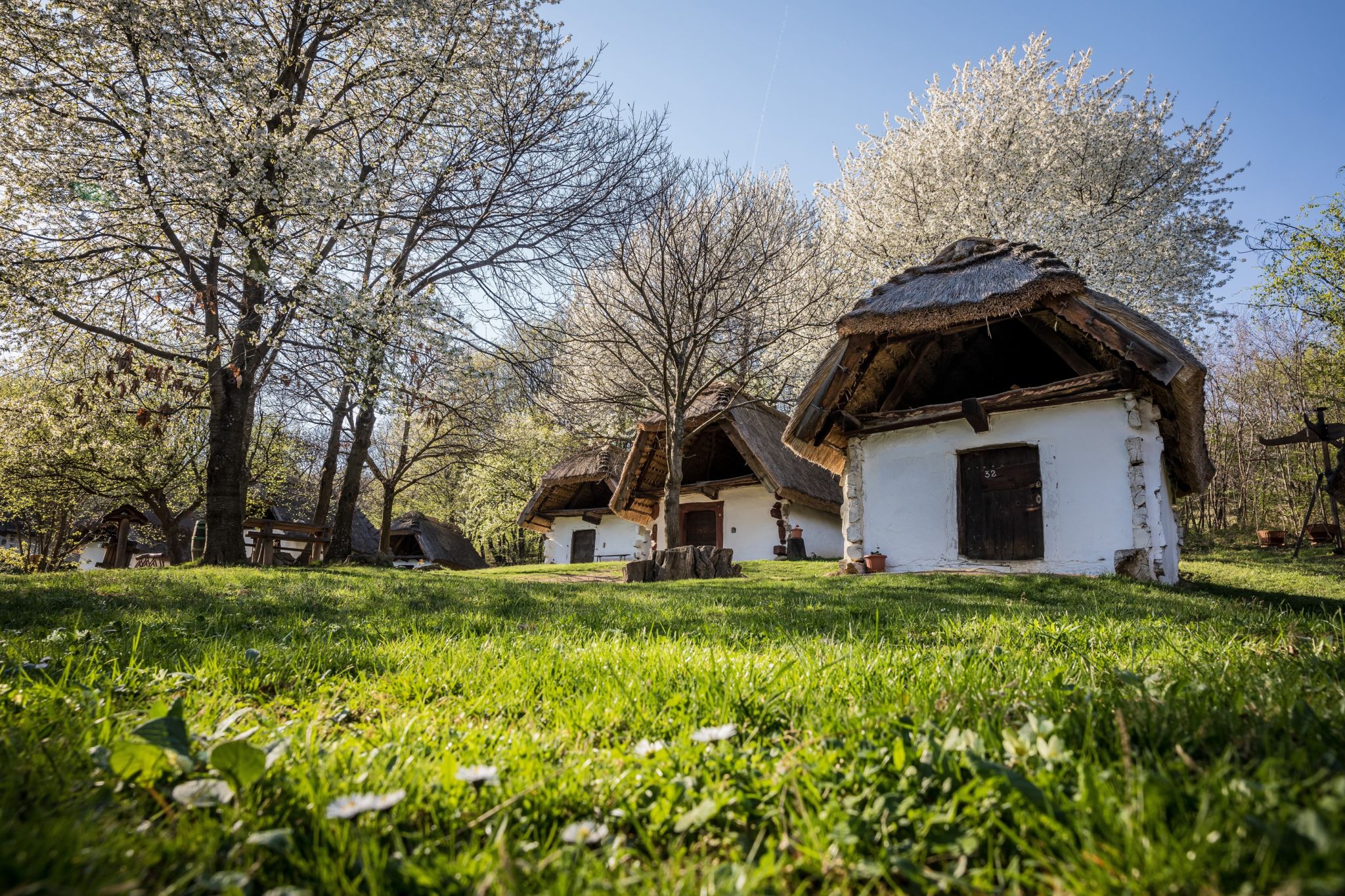
Places of interest- Cák - Pincesor-Szabadtéri Ethnographic Museum
For ecotourism lovers, the protected cellars of the Open-Air Ethnographic Museum on the outskirts of the village of Cák are an interesting attraction. The 8 cellars, which are protected as monuments, evoke the atmosphere of the 18th and 19th centuries.
Around them, a few 100-year-old chestnut trees remind them of the chestnut groves that once flourished. With their girders, pine-roofed, projecting roofs, these hipped-roofed buildings were not used to store wine, but mainly chestnuts and fruit. Most of the wine cellars, built in the early part of the last century, are single-cell, earth-roofed, thatched, pitched, or hipped-roofed. They are hipped at the front, with open gables and hipped at the back. Some cellars are equipped with a vineyard - wine-making tools, including side-screw, stone crusher and centre-screw grape presses.
Source of text and image: https://koszeg.hu/hu/aktiv/okoturizmus/caki-pincesor-szabadteri-neprajzi-muzeum-11610.html; https://szallas.hu/programok/caki-pincesor-szabadteri-neprajzi-muzeum-cak-p1130#image-1
Hasonló találatok
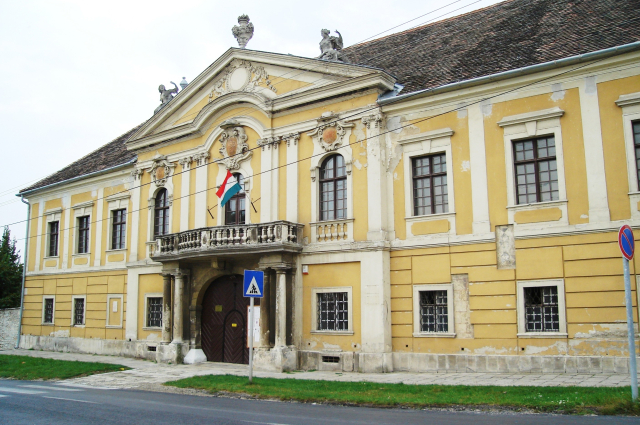
Point of interest - Fertőrákos - Bishop's Palace
Fertőrákos - Püspöki palotaThe Bishop's Castle of Fertőrákos (also called Zichy Castle after its last great builder) is a one-storey, rococo façade,...
More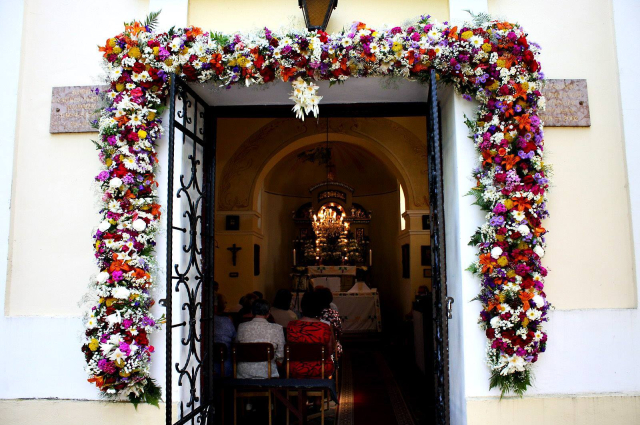
Point of interest - Kunsziget - St. Anthony's Chapel
Kunsziget - Szent Antal kápolnaDuring the cholera epidemic of 1831, the villagers turned to Saint Anthony of Padua for intercession and began building a votive...
More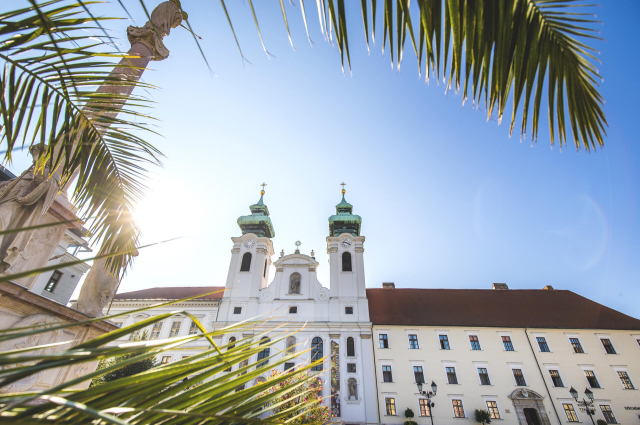
Point of interest - Győr - St Ignatius of Loyola (Benedictine) Church
Győr - Loyolai Szent Ignác (bencés) templomThe church of the Jesuits, who settled in the town in 1626, was built between 1634 and 1641, modelled on the Roman church of Il...
More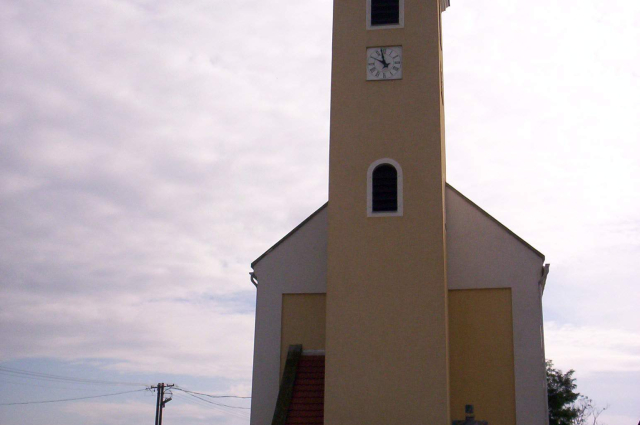
Point of interest - Máriakálnok - Holy Trinity Church
Máriakálnok - Szentháromság templomThe earlier church of the village, built in honour of the Holy Spirit, was used by Protestants in the mid-17th century. The...
More