
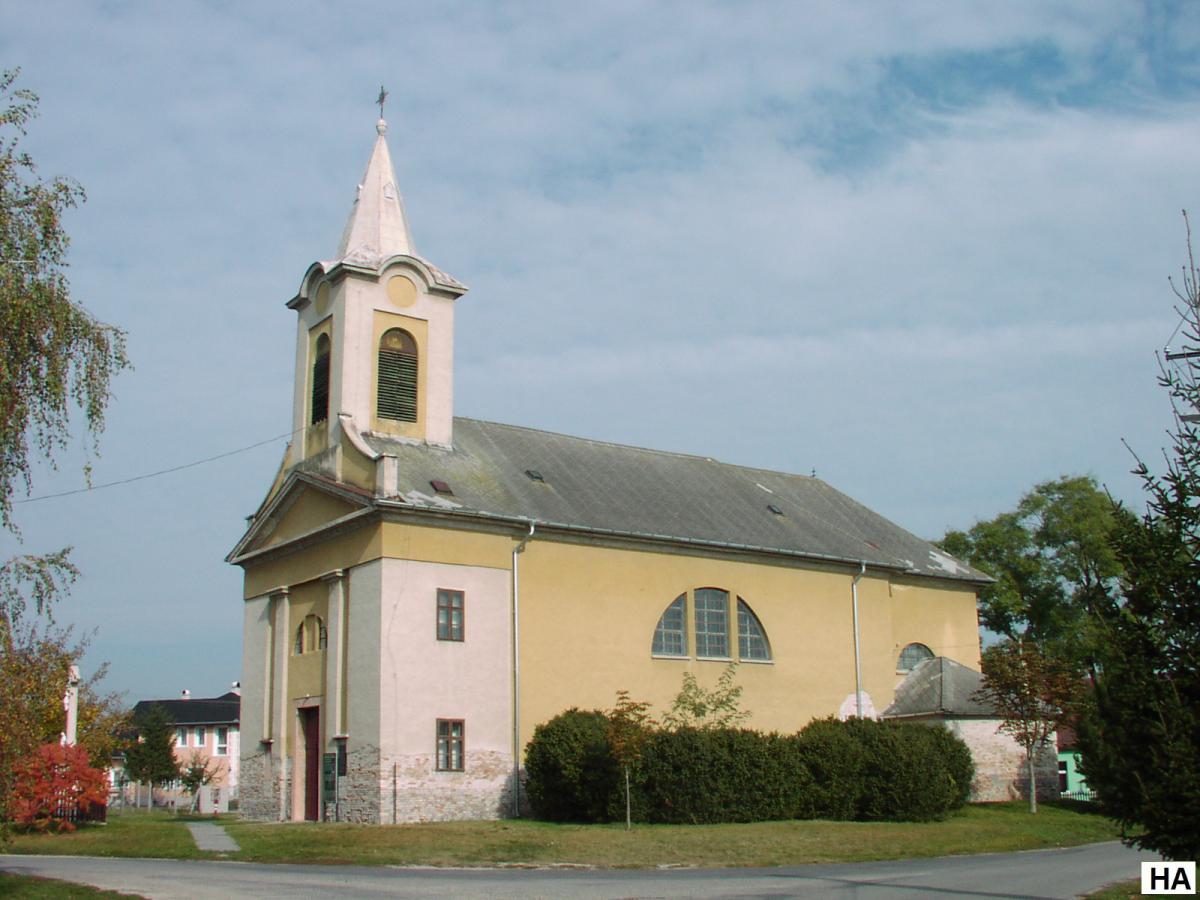
Point of interest- Dunaszentpál - Church of St Peter and Paul
The former church of the village was built by the Héderváry family, then György Széchényi, Archbishop of Esztergom, had it restored after the Turkish-era ruin. On 1 September 1845, 41 houses of the village and the church burnt down. The present house of worship was built between 1847 and 1849, based on the plans of János Lengerer. In 1876, parts of the building, which had been submerged by flooding, had to be demolished, rebuilt and re-founded. The church has recently been completely renovated, with decorative pavement and paving stones around the church. The building is in a neoclassical style. The baroque pulpit was taken from the neighbouring church of Dunaszeg. The paintings in the nave are 19th-century copies, while the picture in the sanctuary is by Zsolt Malasits. The pews were made by Károly Schreiner, who also restored the baptismal font in 1783. The organ, built in 1906, is a product of the Rieger factory. Of its bells, the smaller of the 57 cm diameter, 98 kg, was cast in 1740.
Hasonló találatok
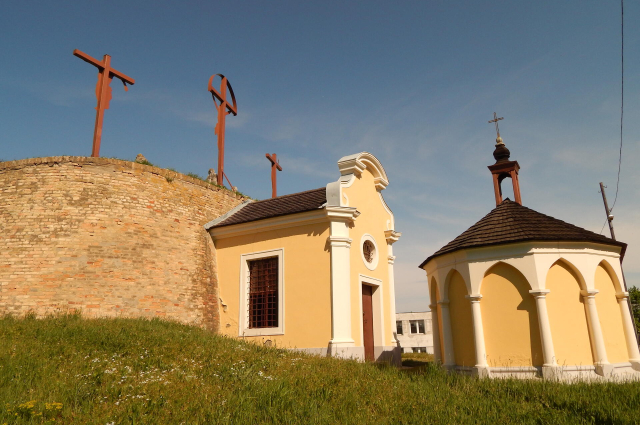
Point of interest - Győr - Calvary
Győr - KálváriaCalvary Hill in the town of Nádorváros was once a cemetery of Celts, later Romans. In the 12th and 13th centuries, the church...
More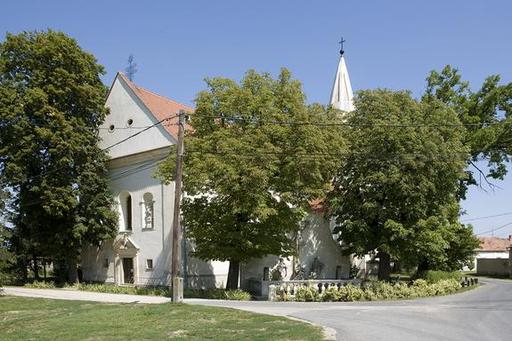
Point of interest - Rajka - Church of Saint Martin
Rajka - Szent Márton-templomOn the outskirts of the settlement, archaeologists have found the remains of a Roman limes.
More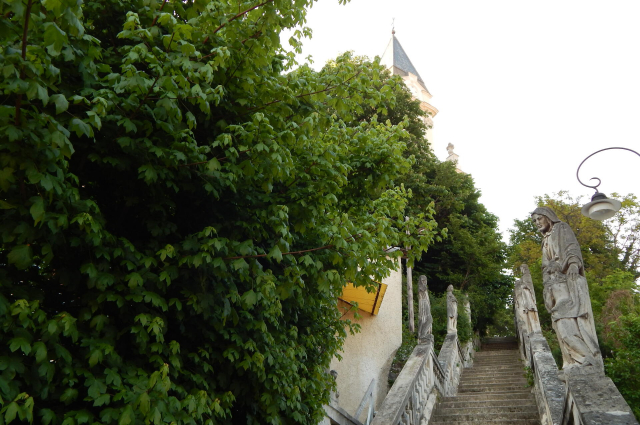
Point of interest - Sopronbánfalva - Queen of Heaven former Pauline and Carmelite church
Sopronbánfalva - Mennyek Királynője volt pálos és karmelita templomIn 1441, a small chapel was built in honour of St. Wolf, which was tended by a Pauline hermit.
More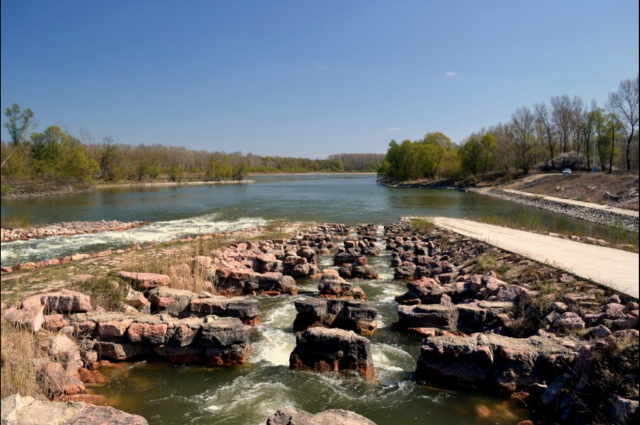
Point of interest - Ásványráró- Árvai's seal
Ásványráró - Árvai zárásA statue commemorating the 102 kg of viza caught in the inter-island branch system in May 1958, at the Aravai Lock. In addition...
More