
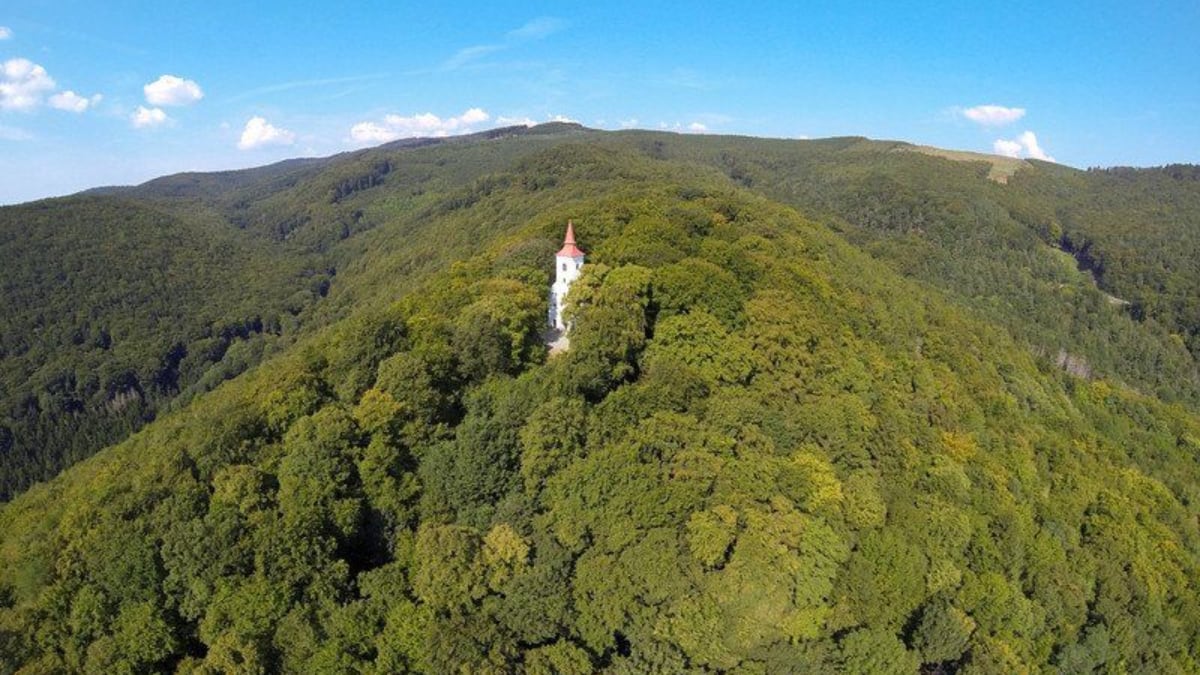
Velem - St Vid Chapel
In the Bronze Age, the site of the chapel of St Vid was the site of an extensive and important town, with houses built on artificial terraces around the ridge.
Later, during the Roman Empire, a watchtower stood here. From here, the aqueduct system that supplied water to the former Savaria (now Szombathely) was well protected. The area was later populated by the Avars, whose burial sites are being archaeologically excavated. It was also a fortified site in the Árpád period, and is said to have been defended against the Turks by Miklós Jurisics together with the fortress of Kőszeg.
In 1713, the monk Hilerian built a hermitage and a chapel on the site. The present form of the one-nave Baroque building was created in 1859. If you take the staircase next to the chapel, you can descend down a terrace. From here you can clearly see the structure of the former settlement and its terraces.
Hasonló találatok
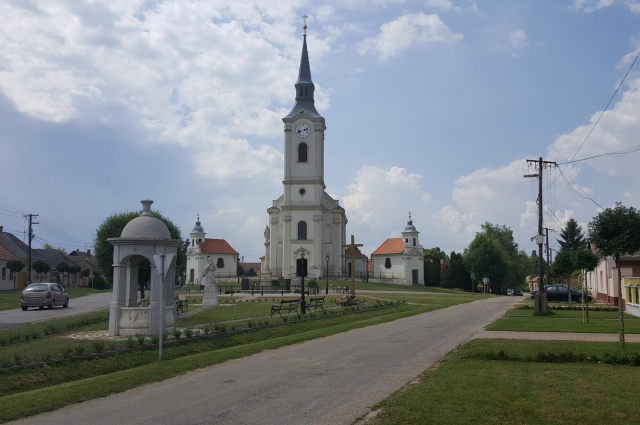
Point of interest- Mosonszentmiklós - Church of St. Nicholas
Mosonszentmiklós - Szent Miklós-templomThe church and its two chapels are like a mother with her two children. The Chapel of the Holy Cross was built in the 16th...
More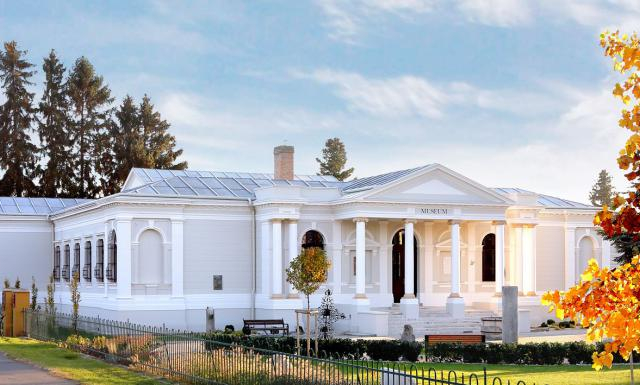
Point of interest Mosonmagyaróvár - Hanság Museum
Mosonmagyaróvár - Hansági MúzeumThe Hanság Museum in Mosonmagyaróvár is one of the oldest continuously operating museums in Hungary. The museum was founded in...
More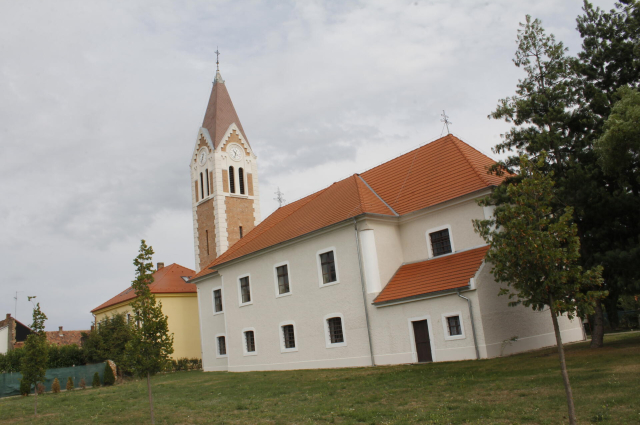
Attraction - Rajka - Lutheran church
Rajka - Evangélikus templomThere was an Evangelical church in Rajka as early as the 17th century, but it was destroyed during the Turkish attack on Vienna....
More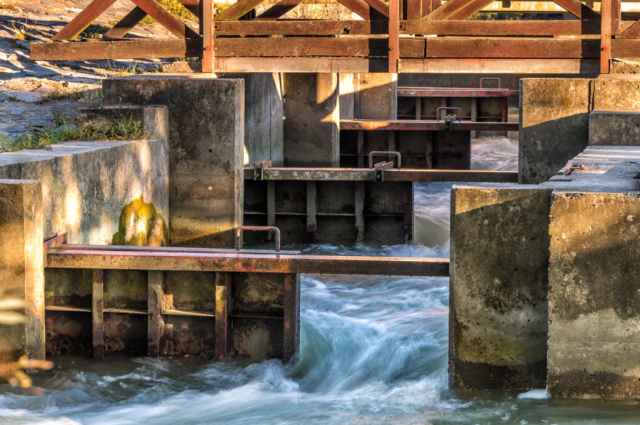
Point of interest - Dunasziget - Denkpál - Halléprohr
Dunasziget - Denkpál - HallépcsőThe Denkpal fish ladder is basically made up of two different sections. A so-called slotted fish passage connects the water...
More