Stop point - Kópháza
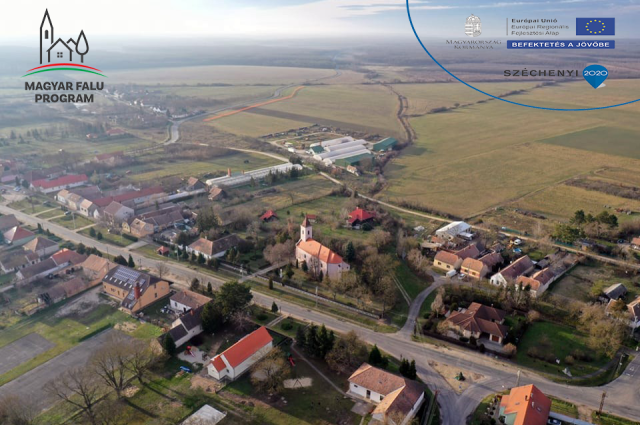
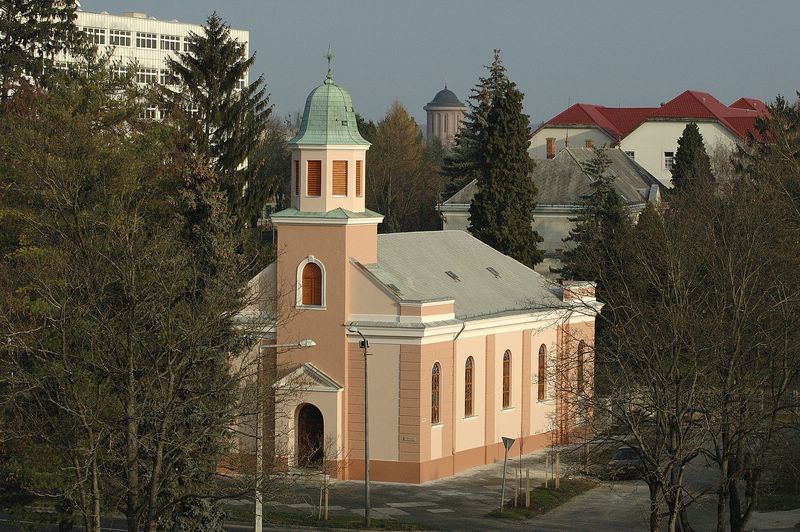
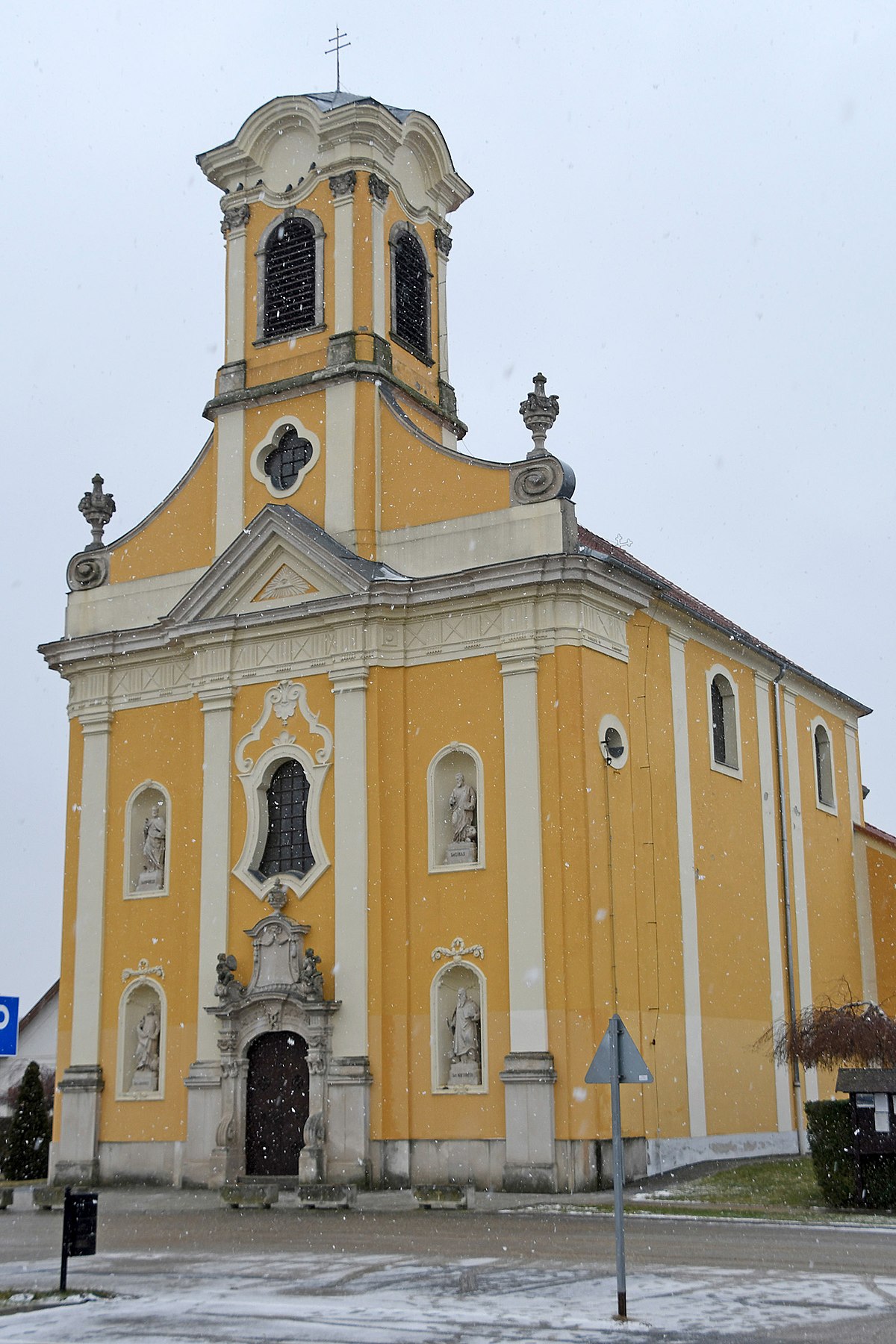
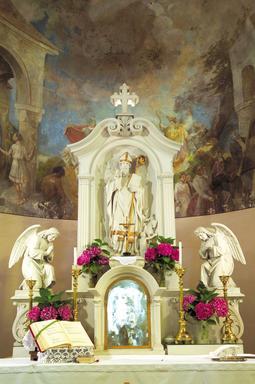
The history of Cophage dates back to the 13th century. Its inhabitants were German-speaking in the first centuries. Around 1530, the Germans, who fled because of the Turkish invasion, were replaced by a Croatian population, which still preserves its language and culture today. The old parish church of the settlement stood in the cemetery. After its demolition, the present 'small church' dedicated to St. Martin was built in the centre of the village. Among the worshippers of St. Martin, this church is particularly interesting because of the uniquely painted murals by Kázmér Wosinszky (1895-1967). The painter focused on two events in Martin's career where the presence of Christ was of particular significance. The first was the sharing of the cloak at Amiens, the second was Martin's death and subsequent glorification and ascension to heaven. The paintings also feature Sulpicius Severus, the chronicler of the saint's life, and Casimir Wosinszky himself, the painter of the pictures. Some of the figures are dressed in the costumes of later ages, a sign that the message of Saint Martin is valid for all ages.
Other attractions in Kópháza: Church of the Assumption of Our Lady of Sarló (Kossuth u. 67.), Croatian National House (Kossuth u. 15.)
Hasonló találatok
Stop point - Győrsövényház
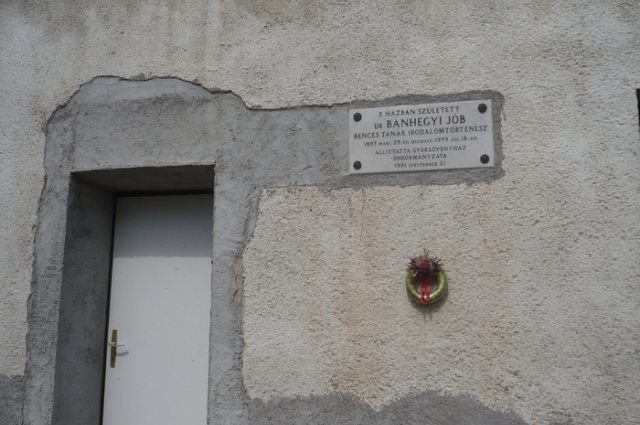
GyőrsövényházThe settlement was mentioned in 1396 as Suuenzad (Hedge Sew). In the early 1700s, settlers from Bavaria arrived in the village,...
More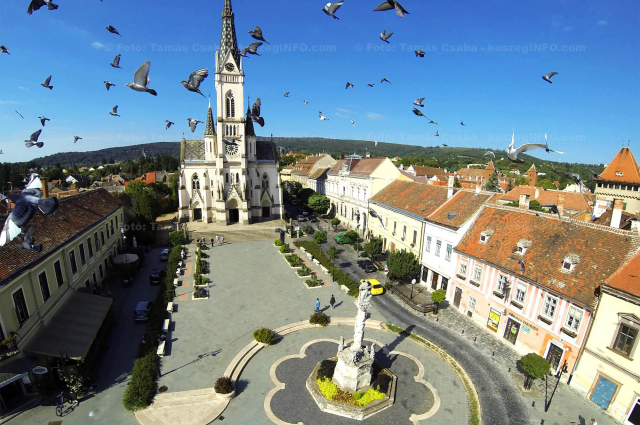
Stop point - Kőszeg
Kőszeg
A small historical town with a rich history, near the Hungarian-Austrian border.
The medieval town core is protected as a...