
Stop point - Fehértó
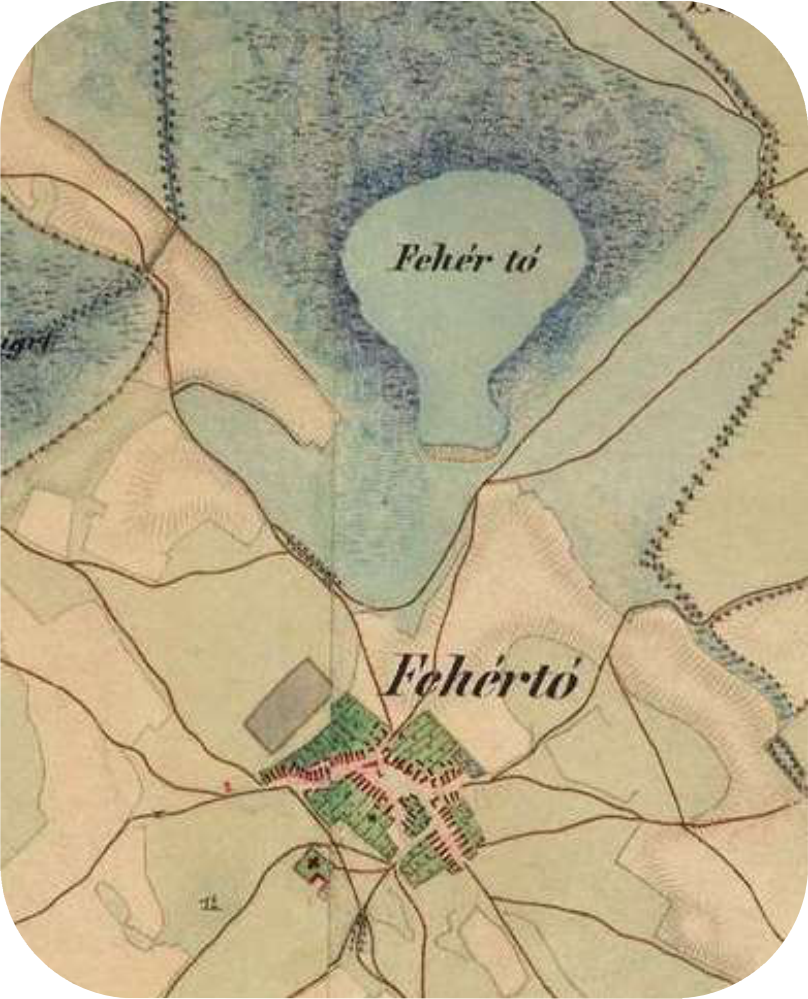
Lake Fehér near the village is a protected area of the Fertő-Hanság National Park. Its flora and bird life is unique.
The church dedicated to the Blessed Virgin Mary was built in 1734, its altar and pulpit are Rococo. The statue of Mary next to the church dates from 1747.
The village covers an area of 1138 hectares and 1740 m2, of which 79 ha 634 m2 of internal area, 651 ha 6171 m2 of external area under cultivation, 407 ha 4935 m2 of area under landscape protection (managed by the Fertő-Hanság National Park).
The first mention of Fehértó dates back to 1368. Prior to that, it is assumed that a village called Újfalu was located in the area of the present village. A large part of the village belonged to the Mórichida family. Around the same time, King Matthias granted a part of the estate to the Turkish family of Enying, which the latter still owned in the first third of the 16th century. The settlement was probably destroyed by pagan raids at the beginning of the Turkish campaigns. The territory of the destroyed village was absorbed into the surrounding boundaries of White and Kony and became deserted, leaving no trace of the once vanished village of Újfalu.
The inhabitants of Fehértó have always been colourful Hungarians of the Roman Catholic faith, with the exception of a few Jews. The existing Roman Catholic Church in the village was built in 1742 and is a historical landmark - registered as a monument - together with the statue of "Mary" in its garden, also a monument. The church has a unique altar.
From the end of the 14th century until 1848, the village was a manorial commune. It has always belonged to the county of Győr, and its landlord was the Győr Chapter. Its land was not the most fertile, and its inhabitants barely made a living. In the past it was famous for cattle and horse breeding, later the inhabitants profited from large-scale reed production and artificial fish farming, as there was a 132 ha lake with reeds in the village. At present, this area is a "Strictly Protected" area in the management of the Fertő-Hanság National Park, together with the surrounding areas, because of the flora and fauna economy.
To the north-east of the village is Lake Fehér, one of Hungary's most treasured natural treasures. It is an extremely important bird protection, migration and nesting area of the country. The once extensive Hanság-Fertő wild water country and its marshlands are a reminder of the past and have survived to the present day. The landscape is characterised by drying marshes, swampy meadows, extensive reed beds, bush and grassland and open water. In terms of landscape, rare natural values and protected flora and fauna, it is one of the highly protected areas of the Fertő-Hanság National Park.
*** Translated with www.DeepL.com/Translator (free version) ***
Hasonló találatok
Stop point - Gyöngyösfalu
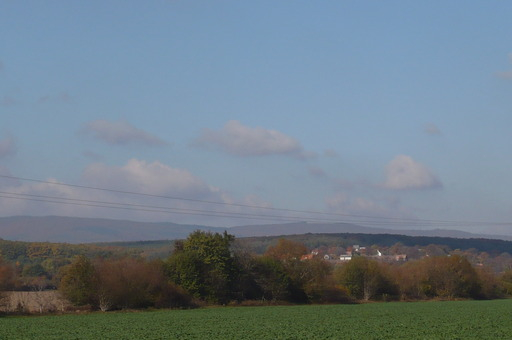
GyöngyösfaluGyöngyösfalu was created by the merger of four previously independent settlements, Kispöse, Nagypöse, Ludad and Seregélyháza. In...
More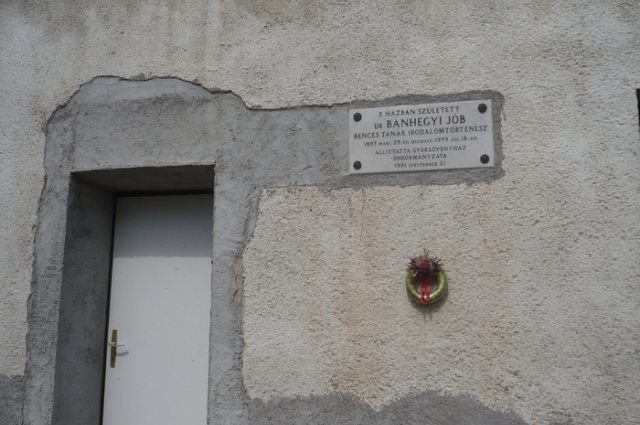
Stop point - Győrsövényház
GyőrsövényházThe settlement was mentioned in 1396 as Suuenzad (Hedge Sew). In the early 1700s, settlers from Bavaria arrived in the village,...
More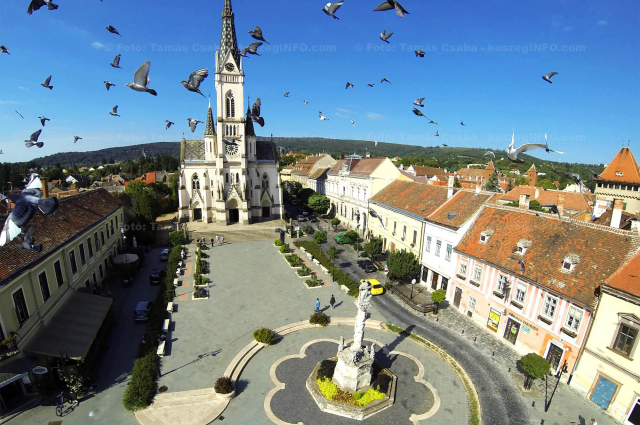
Stop point - Kőszeg
Kőszeg
A small historical town with a rich history, near the Hungarian-Austrian border.
The medieval town core is protected as a...
Stop point - Károlyháza
KárolyházaKárolyháza is a young settlement of Győr - Moson - Sopron county. The former manorial estate named after Archduke Charles...
More