
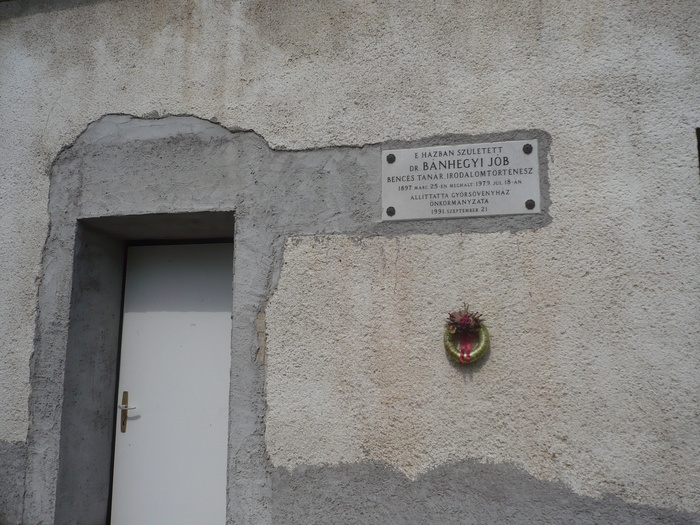
Stop point - Győrsövényház
The settlement was mentioned in 1396 as Suuenzad (Hedge Sew). In the early 1700s, settlers from Bavaria arrived in the village, which used to be entirely Hungarian. In 1946, the ethnic Germans - about 60 percent of the village's population - were resettled in Germany.
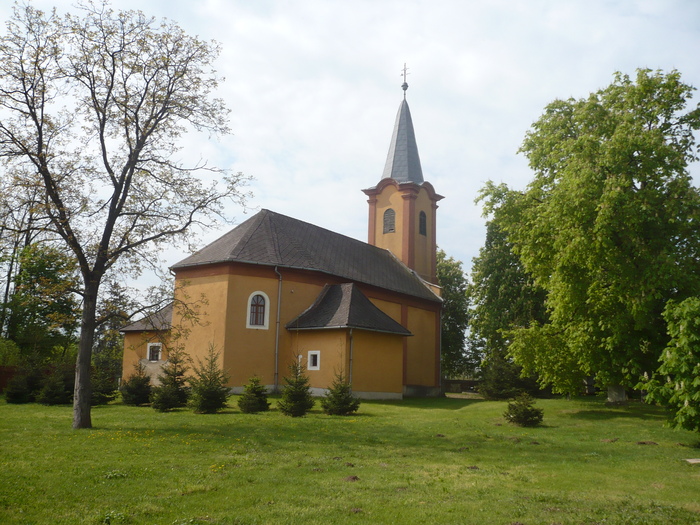
The church of St. John the Baptist was built in 1720 and is decorated in Baroque style. The Laendler mansion dates from around 1879.
Hasonló találatok
Megállópont - Mihályi
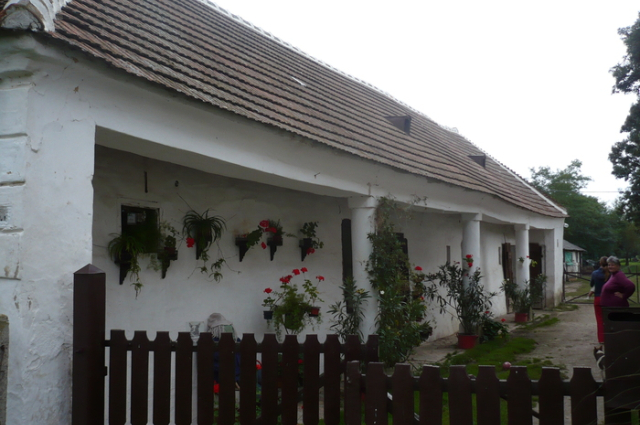
Megállópont - MihályiMihályi has been a settlement for more than 8 centuries. According to a legend, in 1440 Elizabeth of Luxembourg (the widow of...
MoreStop point - Feketeerdő
FeketeerdőThe first mention of the settlement on the banks of the Moson-Danube dates back to 1274. Its Catholic church, whose patron saint...
More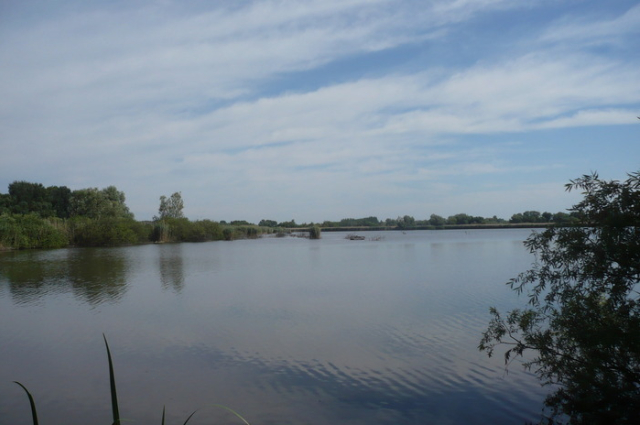
Stop point - Kóny
KónyThe village is located at the junction of the Rábaköz and the Hanság. South of the village, a special "lake area" has developed...
More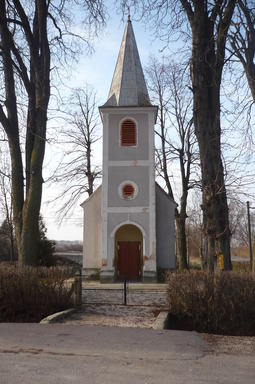
Stop point - Sopronhorpács
SopronhorpácsThe parish church of Saints Peter and Paul was built in the 12th century. Its lined doorway, built around 1230, is an...
More