More 1 picture
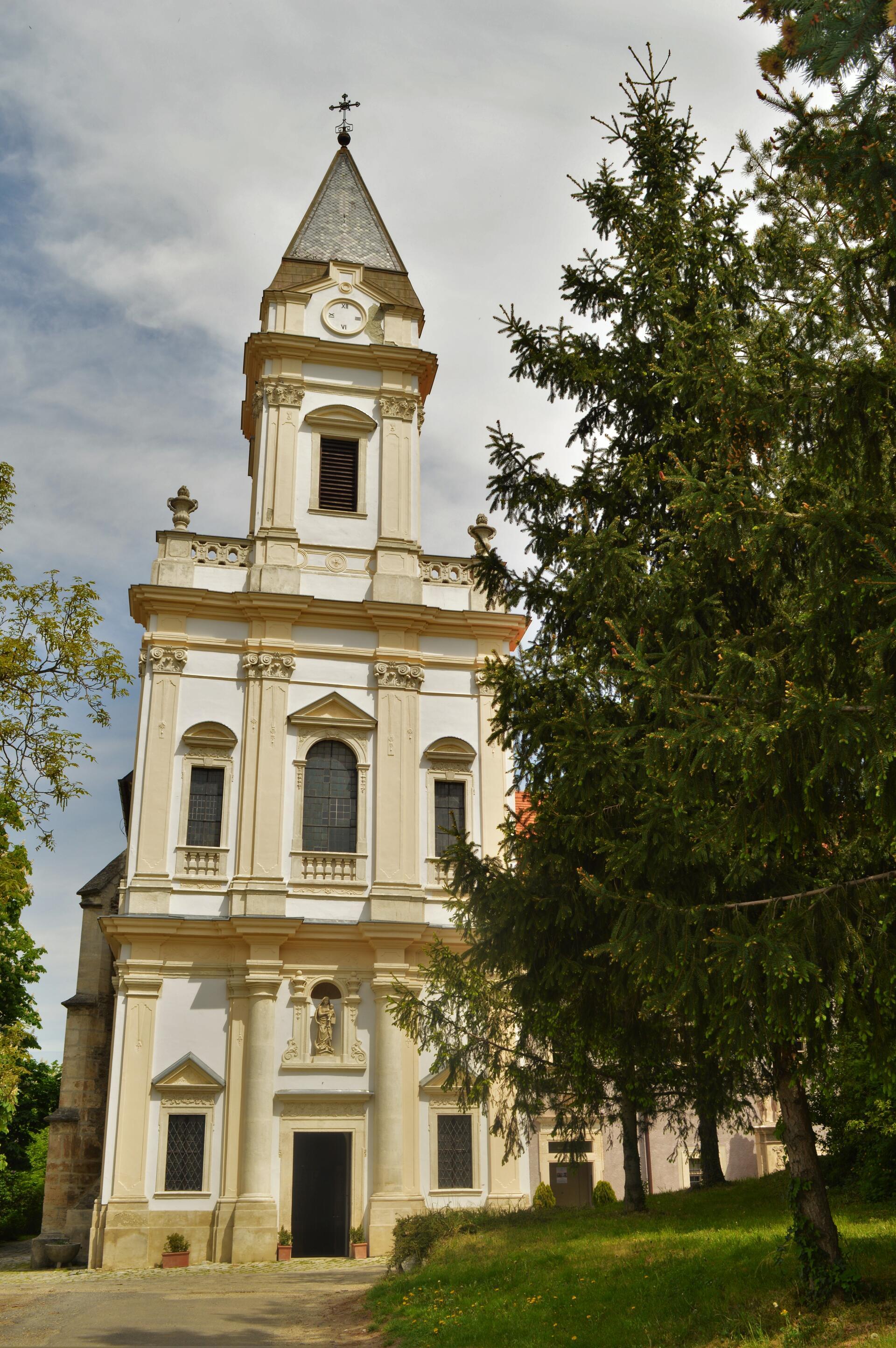
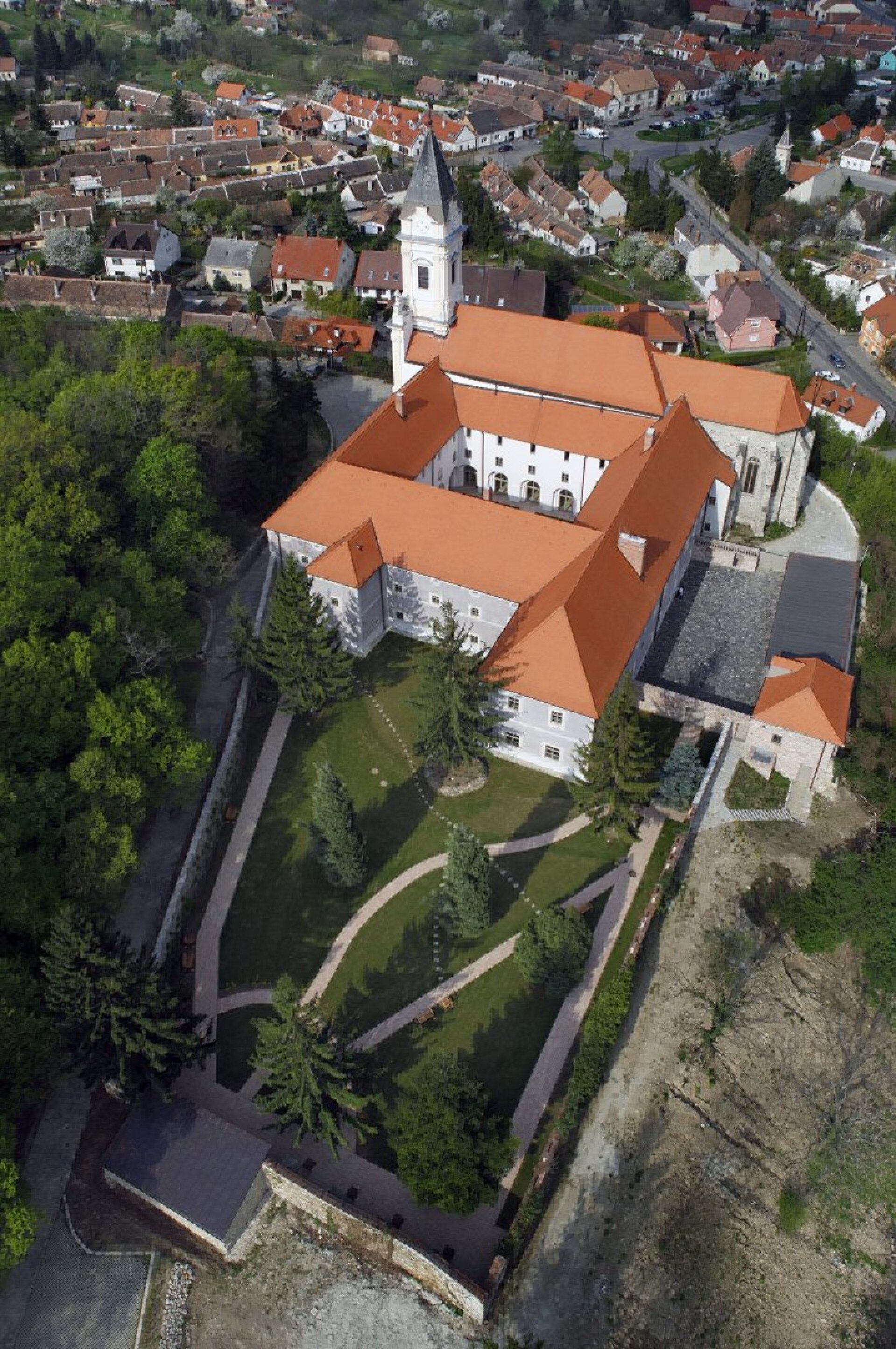
In 1441, a small chapel was built in honour of St. Wolf, which was tended by a Pauline hermit.
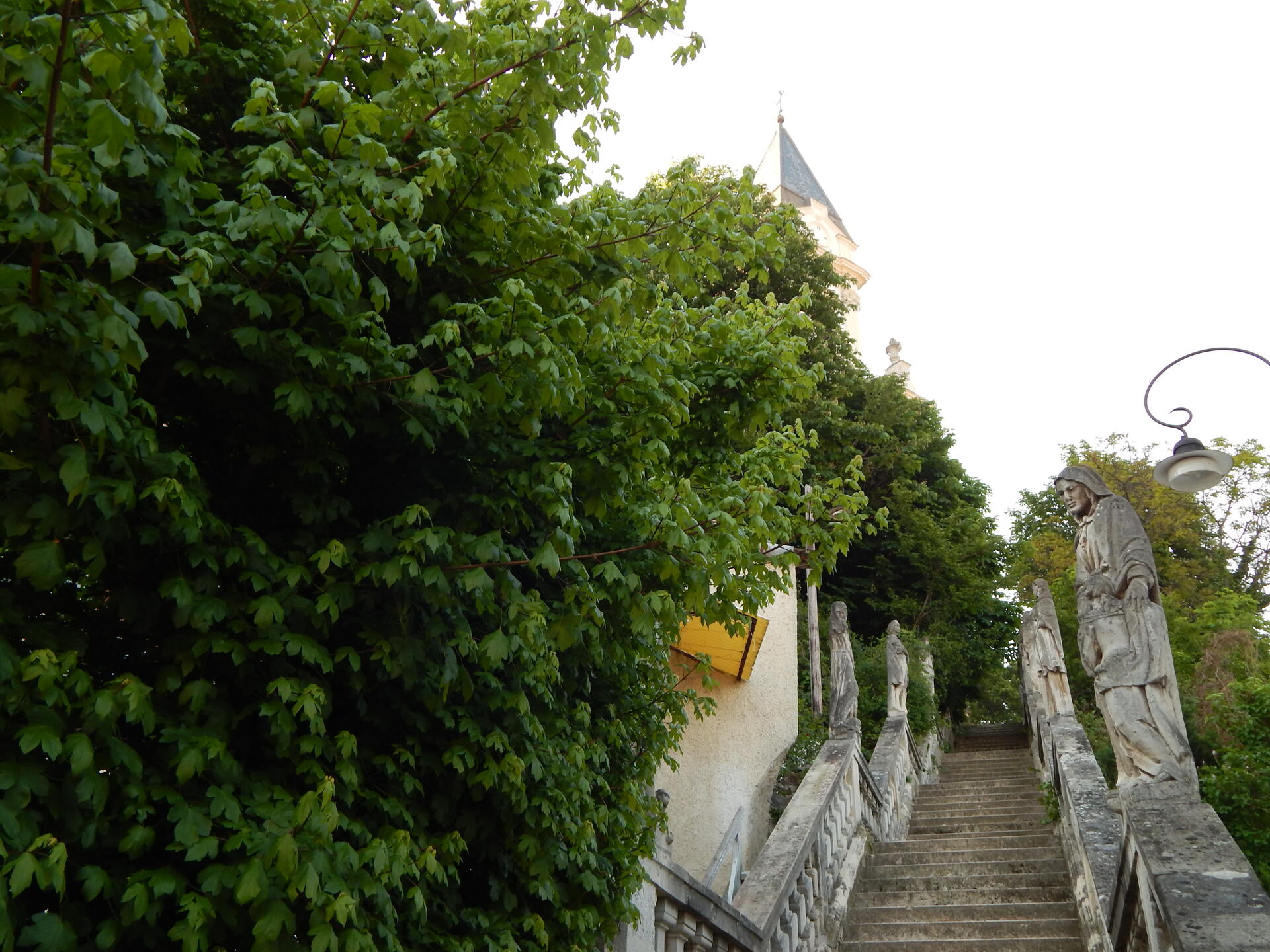
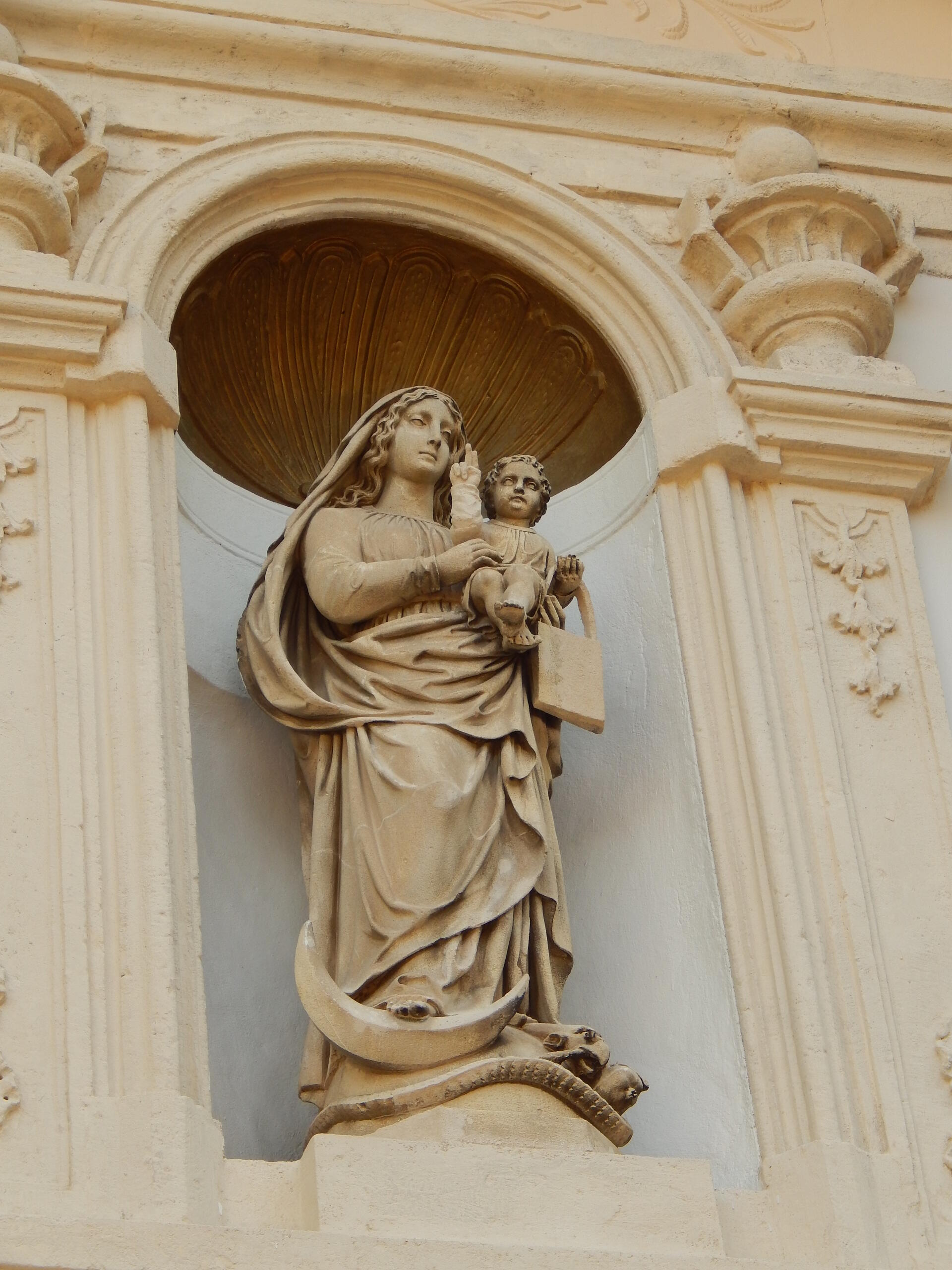
A few years later, his fellow monks settled there and began to build the church and monastery around 1482. The nave of the church, built in the Gothic style, has a nave with five naves and a sanctuary with two naves and mullioned windows. Its main altar is decorated with a 16th century icon of the Black Mary of Czestochowa. Her veneration is still alive today, with jewels and crowns attached to the image. The side altar and the stalls of the church, rebuilt in Baroque style, were painted around 1750, the mural of the arch-vassal apostles around 1770 and the benches carved in Rococo style. After the dissolution of the Pauline order in 1786, the church stood empty until 1827. The monastery building was first used as a miner's dwelling, then as a hospital and later as a warehouse. From 1892 to 1950, the building housed a convent of Carmelite nuns. On the façade you can see the coat of arms of the Nádasdy and Esterházy families.

One of the most famous buildings in Fertőboz, and perhaps in the whole area, is the Gloriette, a memorial hall built on the...
More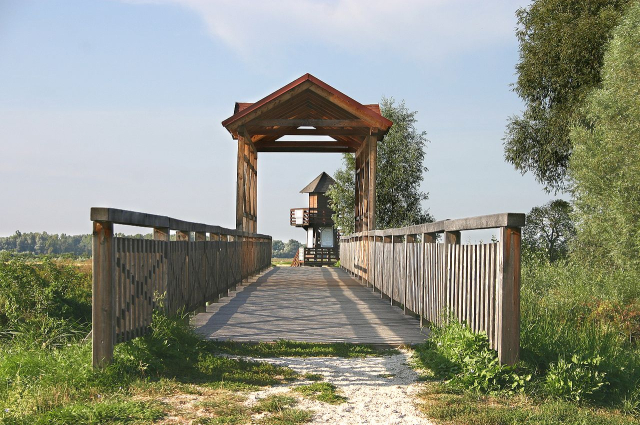
The Mosontarcsa Bridge (also known as the Andau Bridge, after the German name of the village) is an old wooden bridge on the...
More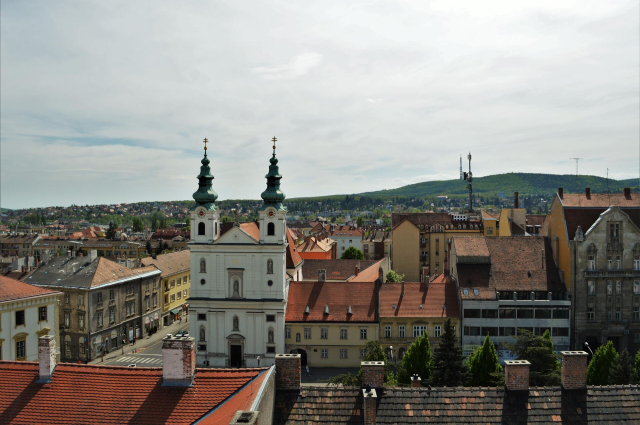
The Dominicans were settled in Sopron in 1674 by Countess Erzsébet Batthyány.
More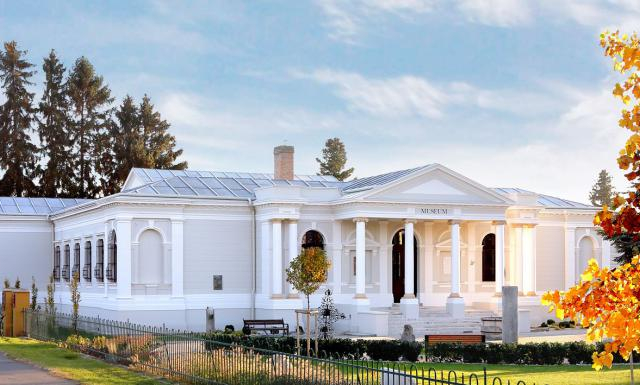
The Hanság Museum in Mosonmagyaróvár is one of the oldest continuously operating museums in Hungary. The museum was founded in...
More