More 2 picture
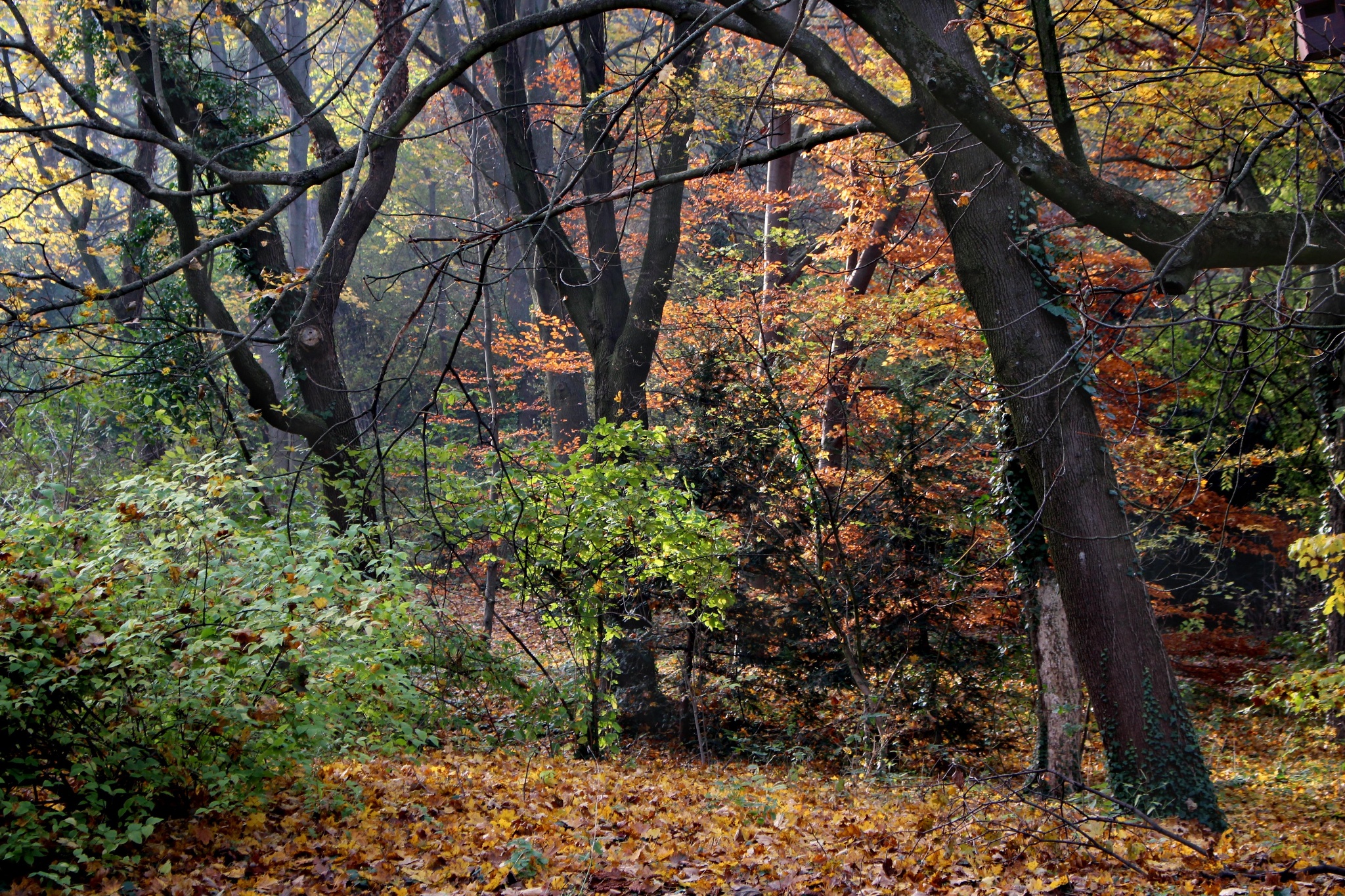
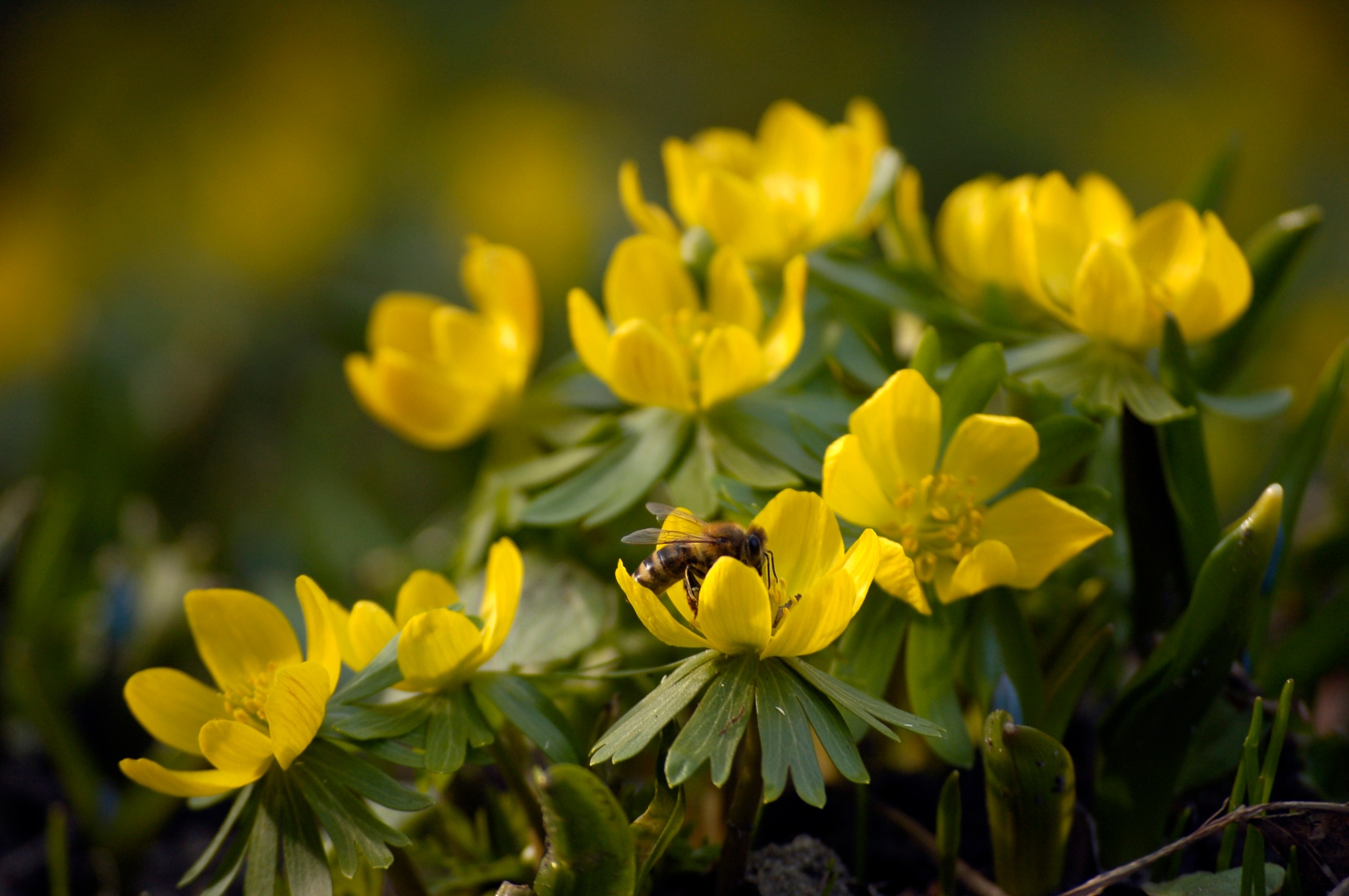
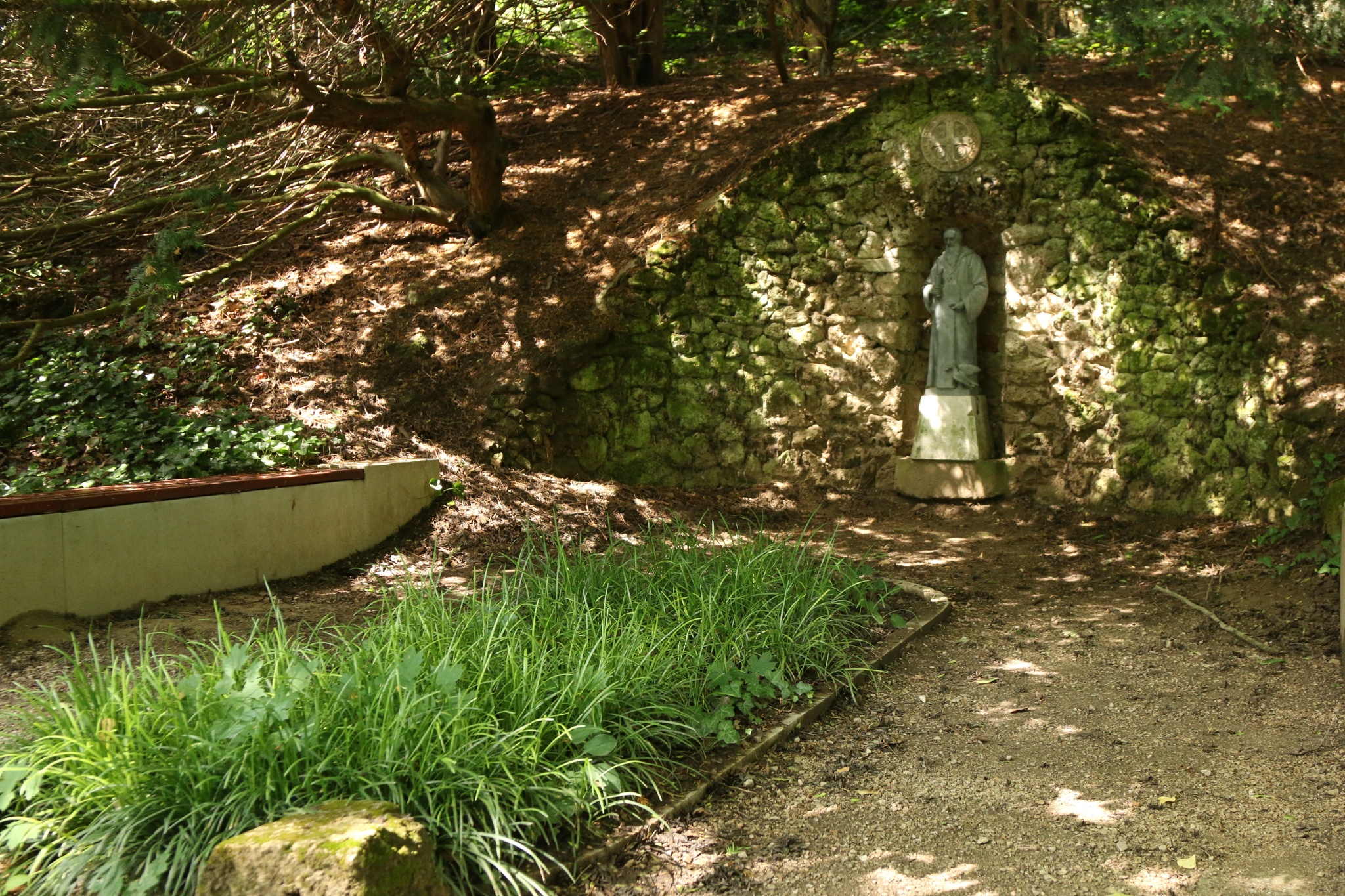
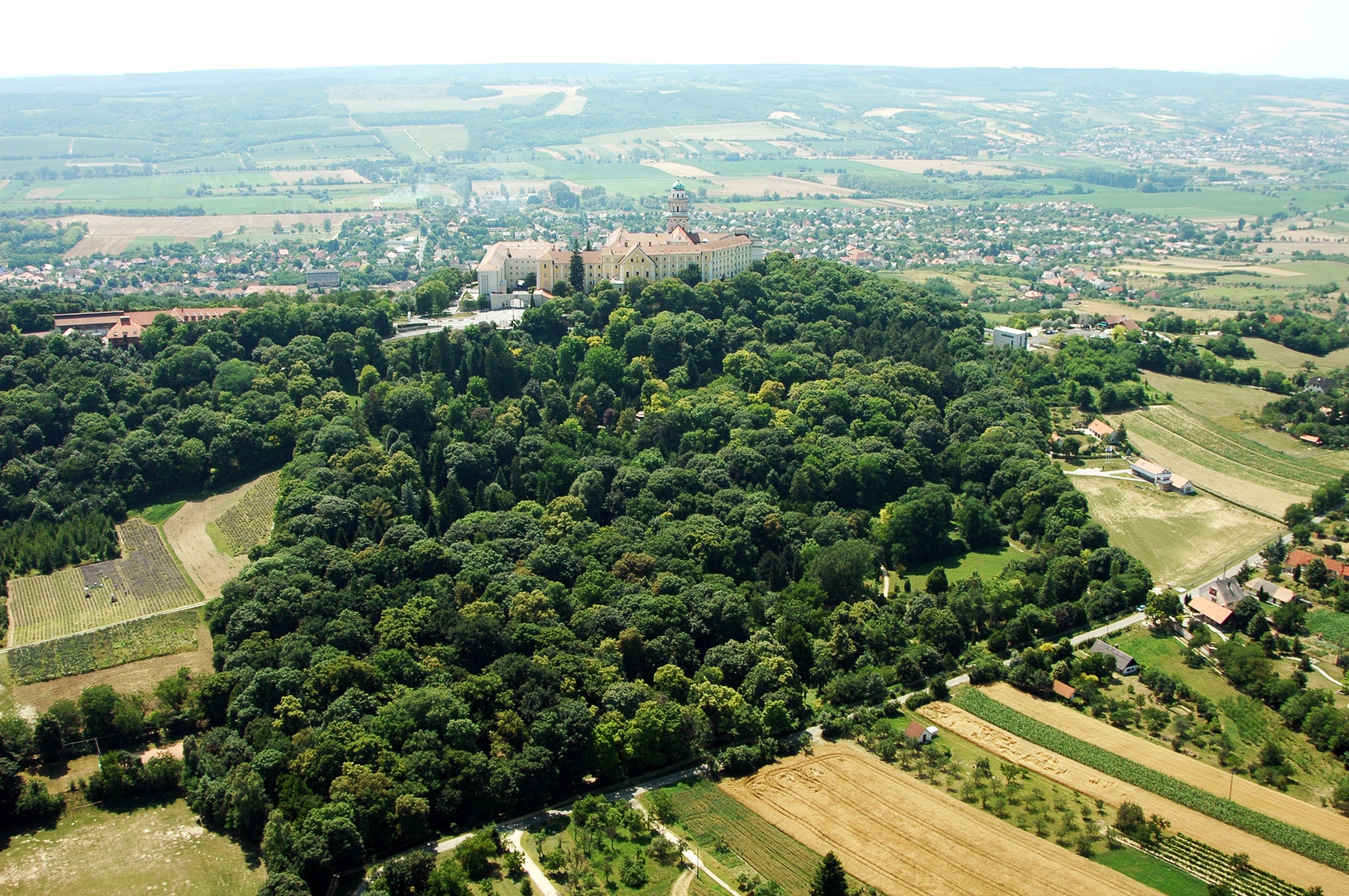
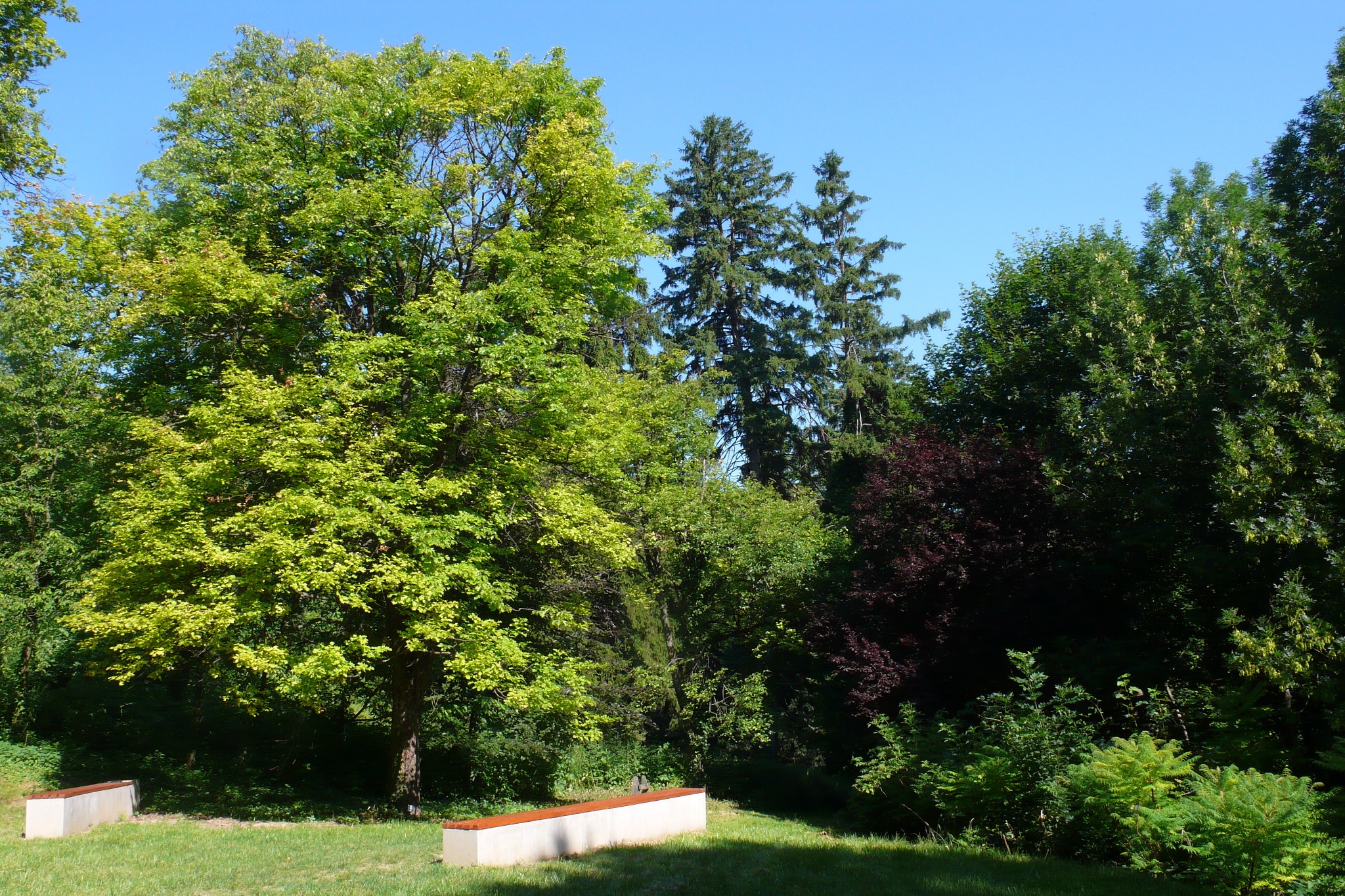
The abbey's 22-hectare garden has been an integral part of the Benedictine monks' daily life since the monastery was founded in 996. Today, more than a thousand species of plants and 150 species of birds live in the area, which is open to the public.
When the Benedictine abbey was founded in 996, an hermitage (a building for care and nursing) was created within the walls, which necessarily included a herb garden - presumably in the area of the present garden. The first written evidence of its existence is a charter of 1201. The present Arboretum was founded in 1802, when the Benedictine Order opened 8 schools in what was then Hungary, for which the garden was used as a place for science education. The plants were then planted in groups according to the different geographical areas and climatic zones. In 1830, the Arboretum already contained some 80 species of trees and shrubs, and its English garden was developed by Fábián Szeder in the 1840s. This area of the Arboretum is inextricably linked to the present-day Herb Garden, which surrounds the Abbey complex. The arboretum is home to over a thousand species of plants and almost 150 species of birds. Today, it is primarily a place of recreation and relaxation, but also a regular educational and research site. It is also the country's best-known herbalists' and herbalists' workshop. Free to visit from 9am to 5pm.
| Category: | Attractions |

One of the most famous buildings in Fertőboz, and perhaps in the whole area, is the Gloriette, a memorial hall built on the...
More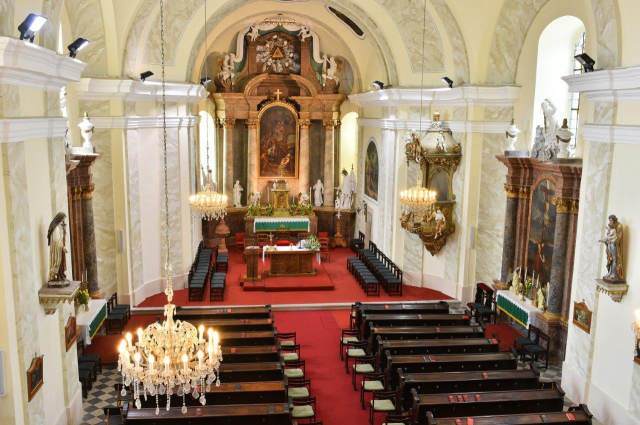
In the Árpád period, the inhabitants of the settlement were fish transporters for the royal court of Moson. Halászi has been a...
More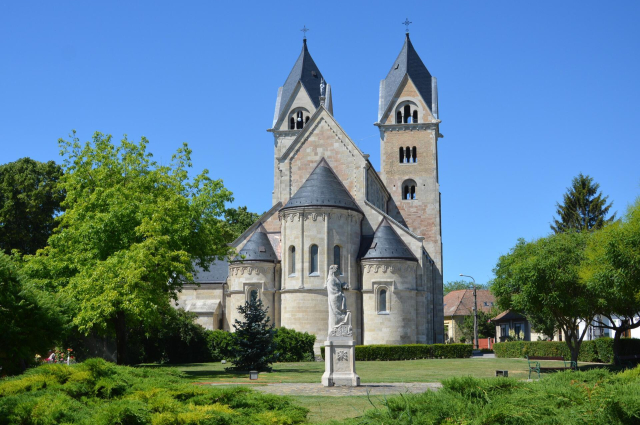
The Benedictine monks settled in Lébény in the Árpád era. The abbey is already mentioned in a document dated 1199. The church at...
More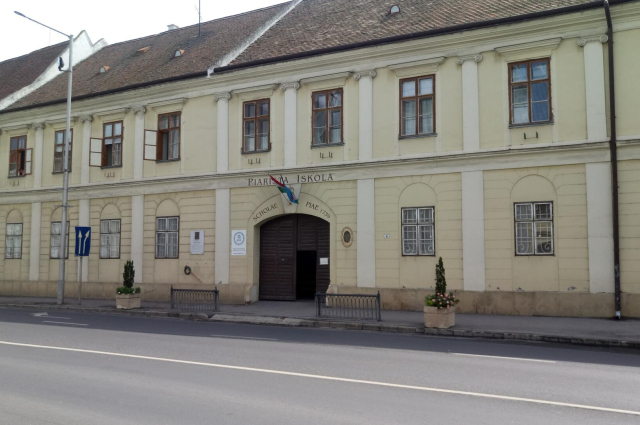
The first secondary school in Moson county was opened here in 1739. Until the nationalisation of the school (1948), the youth of...
More