More 3 picture
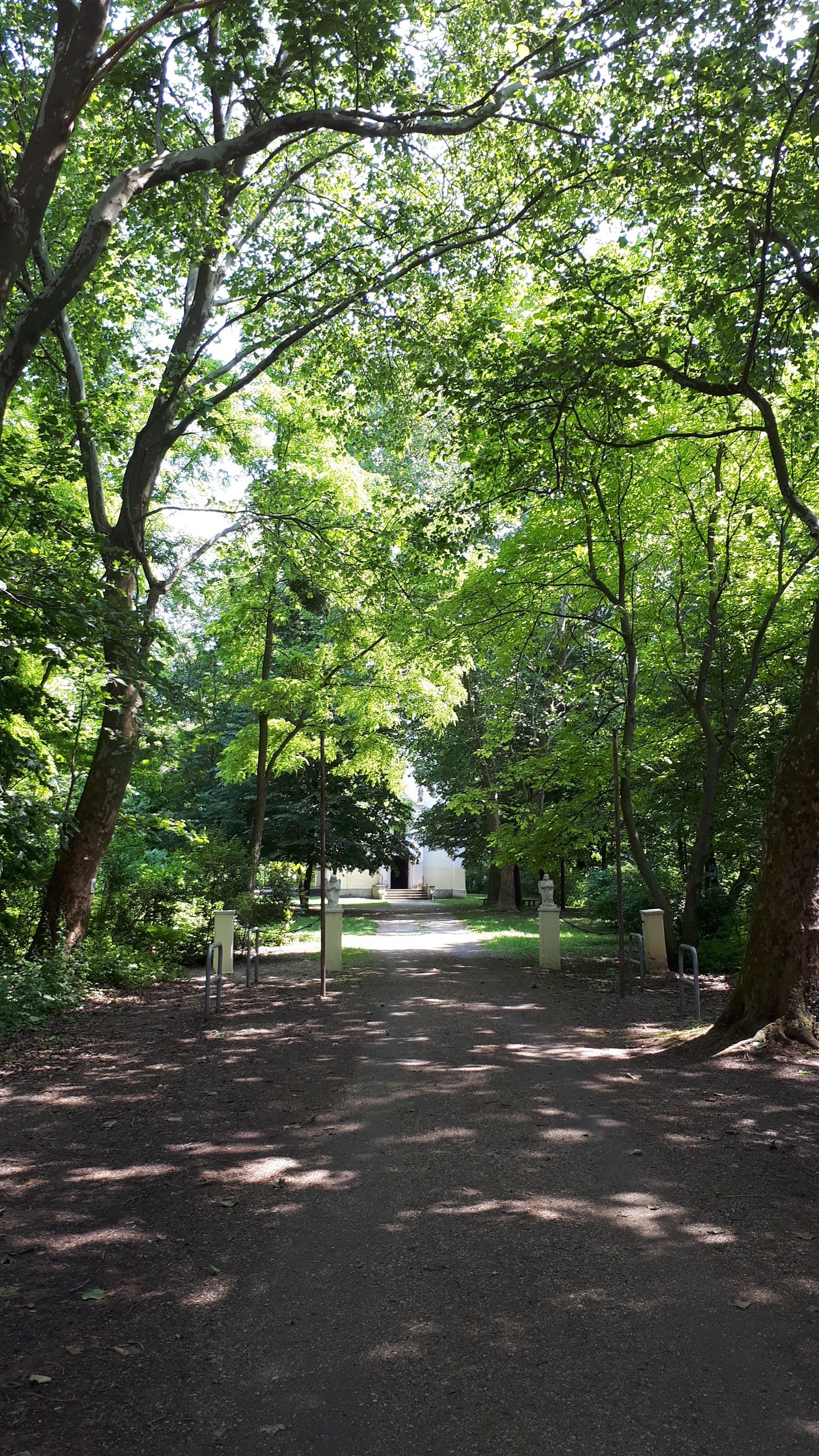
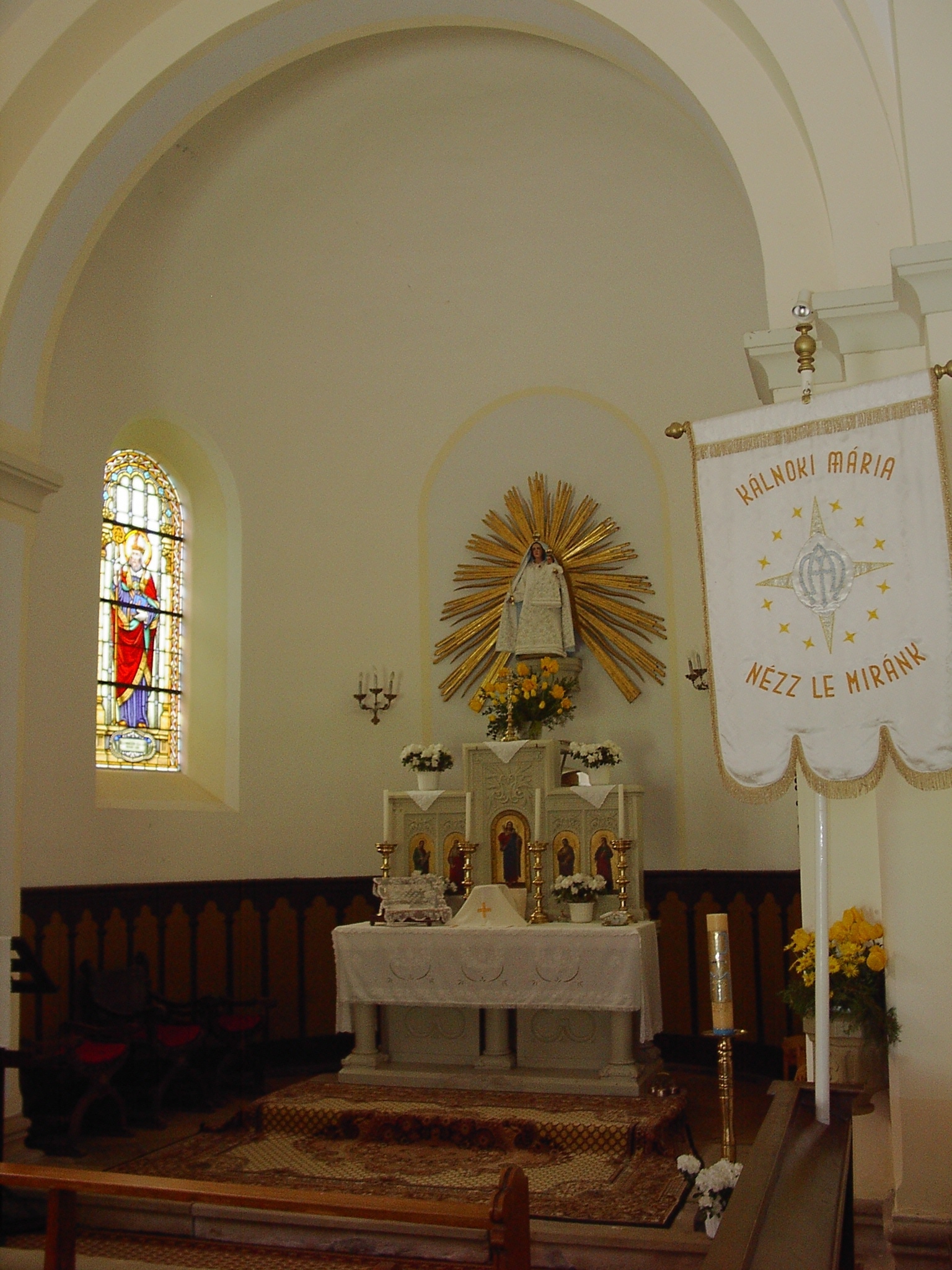
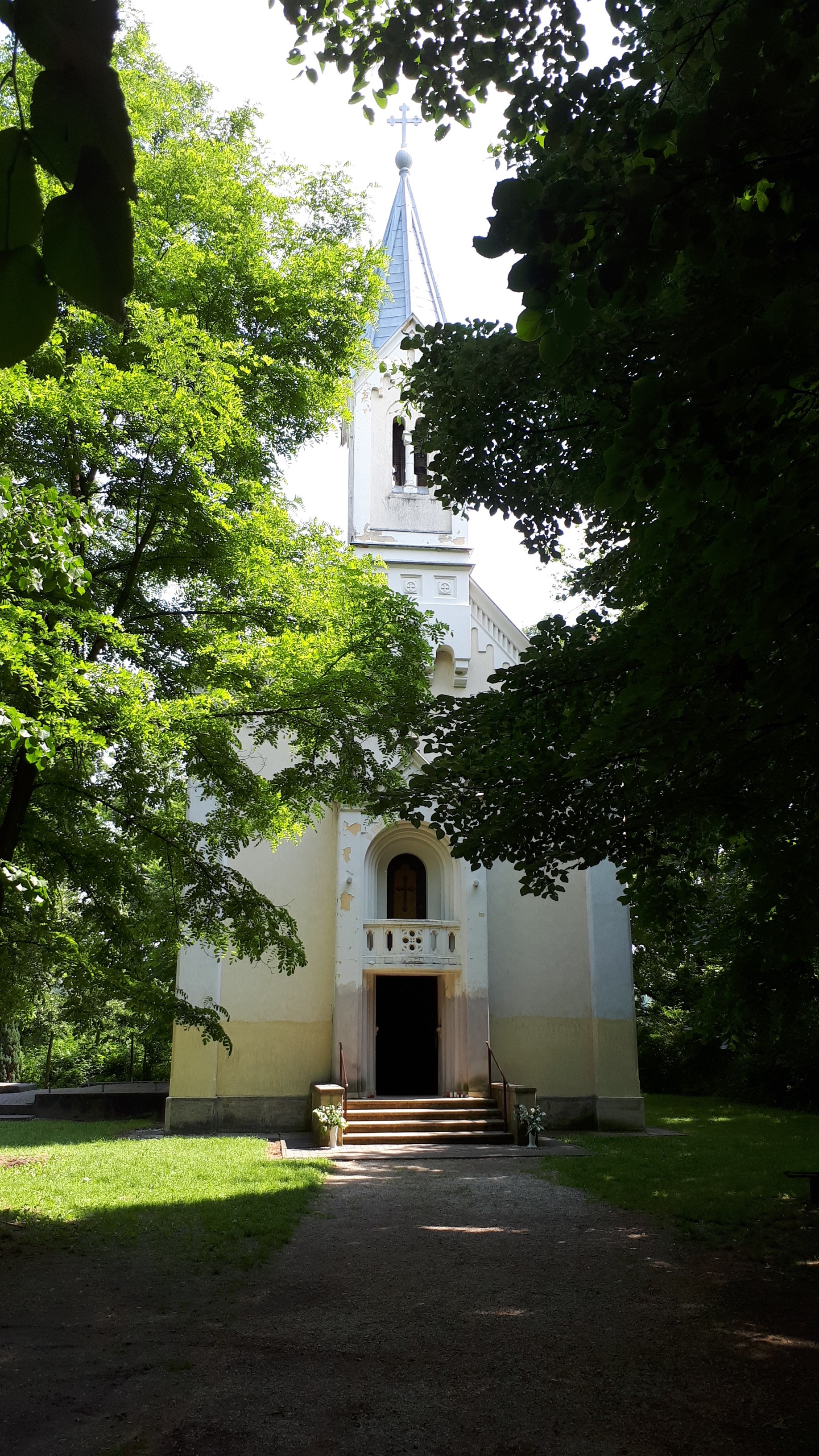
According to one of the legends of the chapel's history, wounded soldiers and other sick people were cured by the water of the spring that flowed from there. According to other legends, a fisherman found a lime-tree statue of Mary and baby Jesus, and a soldier found a picture of Mary in the spring.
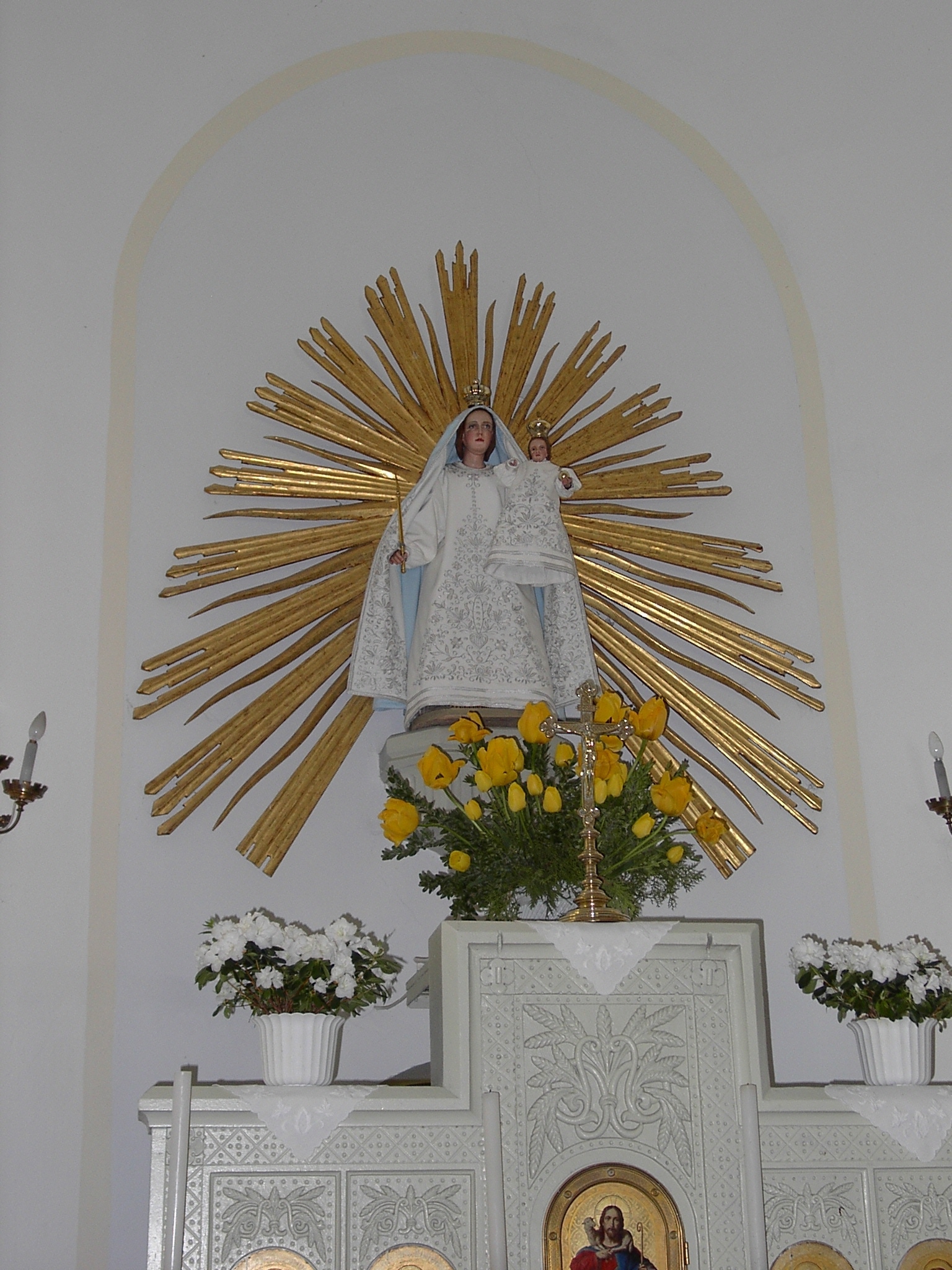
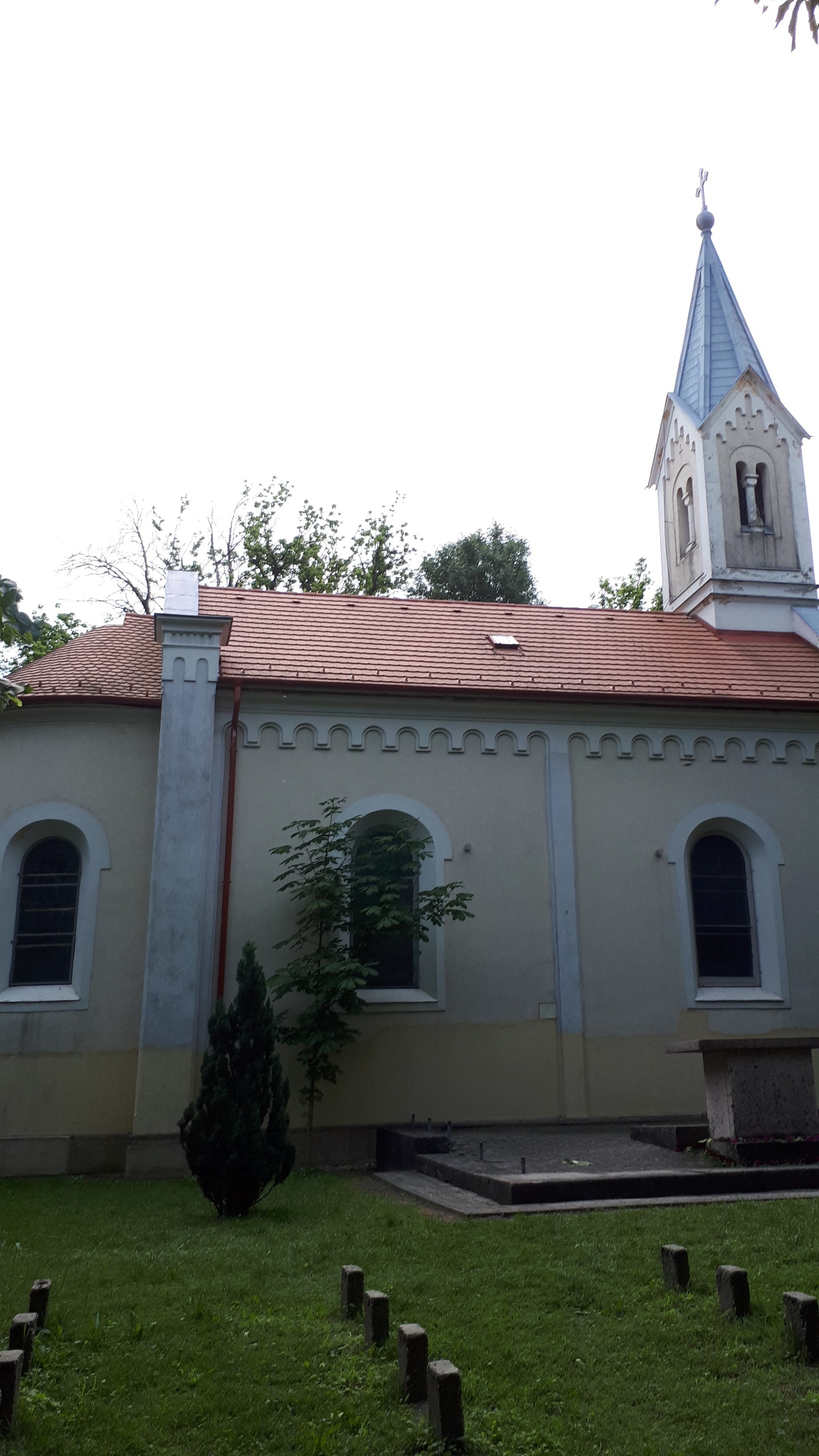
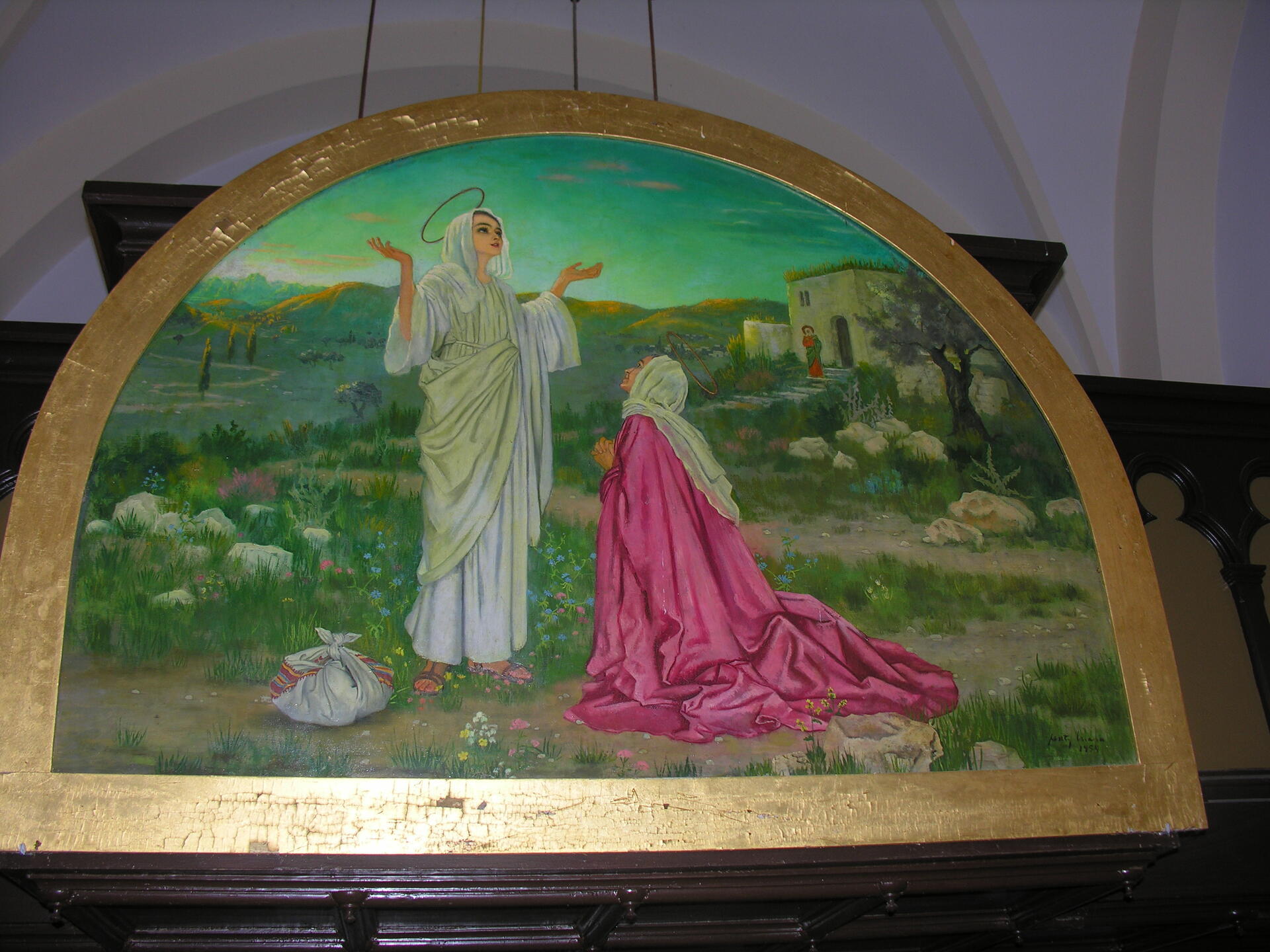
Around 1540, they were placed in the Protestant church, then in a cottage, and finally in a chapel built over the spring. In 1873 the chapel burnt down, but the image and the small carved statue survived. The chapel was rebuilt in 1874 in the neo-Romanesque style, with the statue of Mary holding the Queen's wand and Jesus holding the king's apple, both dressed in crowned robes. The water from the stone-covered spring beneath the sanctuary was piped to a well outside the chapel. In addition to the statue, there are six stained-glass windows and a painting by Feszty Masa of Mary and Elizabeth meeting.
The fountain and the statue attract thousands of pilgrims every year. The chapel is a megalithic monument listed in the Győr-Moson-Sopron County Register of Cultural Heritage.
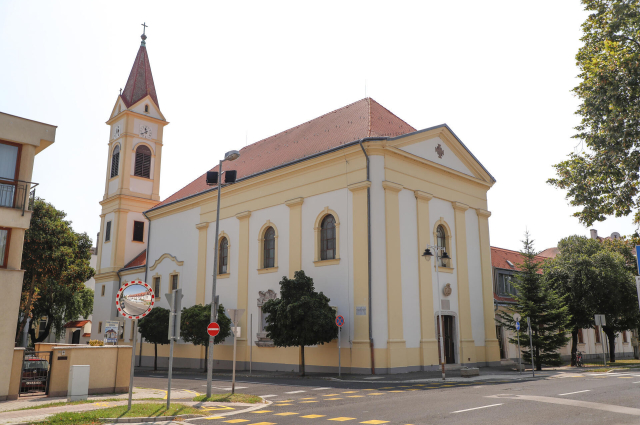
The "Society of Servants of the Sick and Dying", founded by St. Kamill, served in the Győr hospital from 1761. The blessed...
More
After 1530, the municipality had a new prison built in the market square, underground. A tower was placed above it. This is the...
More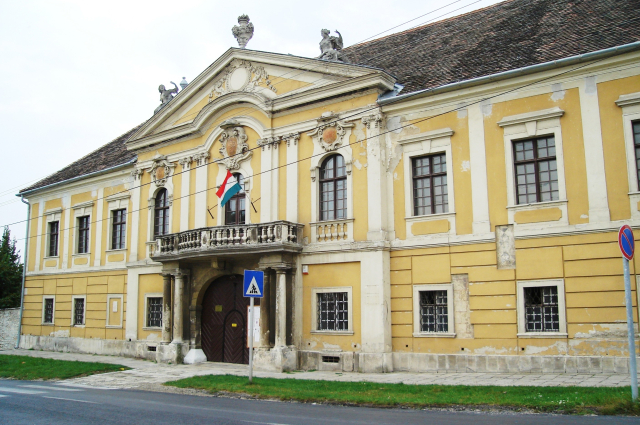
The Bishop's Castle of Fertőrákos (also called Zichy Castle after its last great builder) is a one-storey, rococo façade,...
More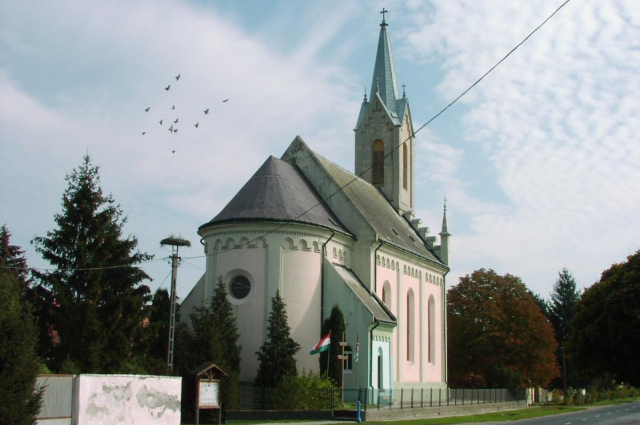
On the site of the old church, built in 1679 and later demolished, the Roman Catholic church, built in 1900 by Countess...
More