
More 1 picture
Point of interest - Hédervár - Chapel of the Assumption
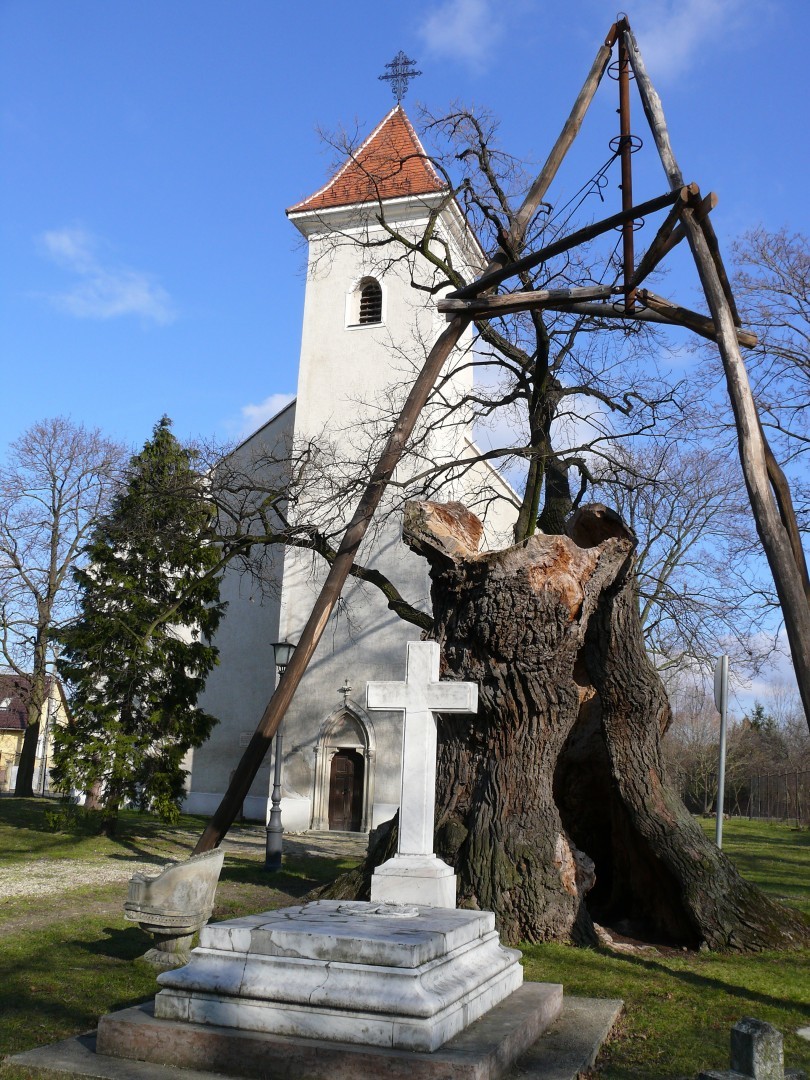
It is the jewel of the village, which is a mega monument included in the Győr-Moson-Sopron County Heritage List. According to records, it was built between 1296 and 1303. The one-nave building was at the same time a parish church, a shrine of Mary and the burial chapel of the Héderváry family.
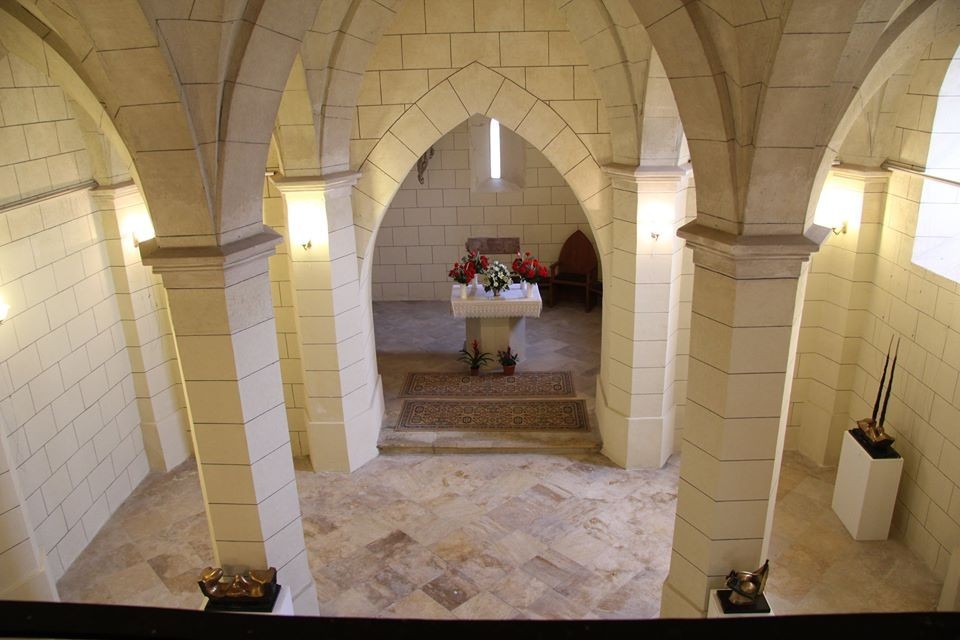
In the second half of the 17th century, a new crypt and a chapel of Loreto were built on its northern side. In the 19th century it was rebuilt in neo-Gothic style. On the eastern wall of the sanctuary there is a window, probably original from the Romanesque period. Five red marble tombstones can be seen in the walls of the sanctuary. In the chapel of Loretto, an ornate urn preserves the heart of the first Charles Khuen-Héderváry. There is also an urn with carved snakes on a stylised Corinthian column. Next to it, in a niche covered with a coat of arms, are three large silver urns. Behind the chapel's table altar is a wooden grid reminiscent of the Greek Orthodox churches. Above its parapet are the imperial, royal and family coats of arms, decorated with Baroque ornaments. Behind the grille is a statue of the Virgin Mary carved in ebony. The Chapel Gallery hosts temporary exhibitions.

Hasonló találatok
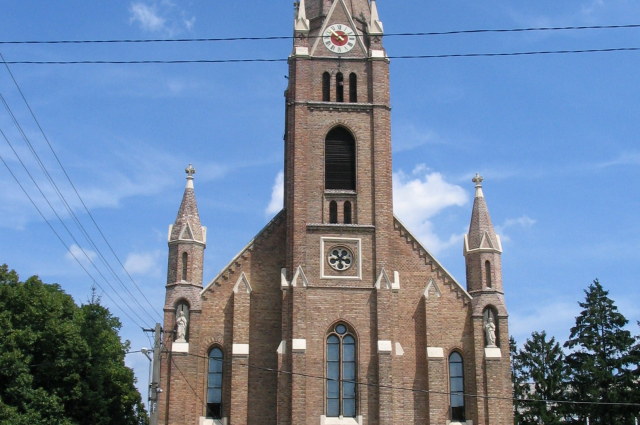
Fertőd - Szent András templom
The Roman Catholic Church of Süttöri or St. Andrew's Church is located in the Süttöri district of Fertőd (Széchenyi u....
More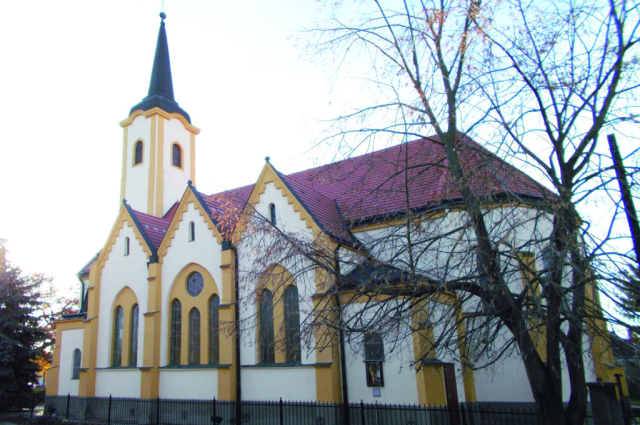
Point of interest - Dunakiliti, Church of the Exaltation of the Holy Cross
Dunakiliti, Szent Kereszt Felmagasztalása TemplomThe present church was built in 1910 under the rectorship of Endre Bányász, to the designs of the renowned Magyaróvár architect...
More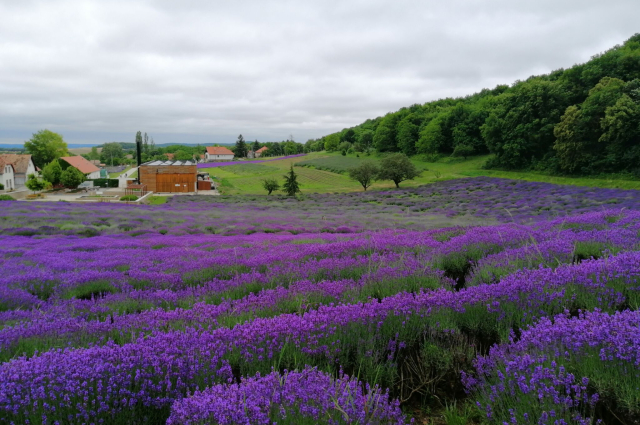
Point of interest - Pannonhalma - Pannonhalma Lavender and Herb Garden
Pannonhalma - Pannonhalmi levendulás és gyógynövénykertThe Pannonhalma Lavender and Herb Garden is located in Pannonhalma, next to the Archabbey. The herb garden, modelled on the...
MorePoint of interest- Dunaremete - St. John Nepomuk Church
Dunaremete - Nepomuki Szent János-templomThe village already had a church in 1600, and the villagers were all Catholic. With the spread of the Reformation, the Bakics...
More