
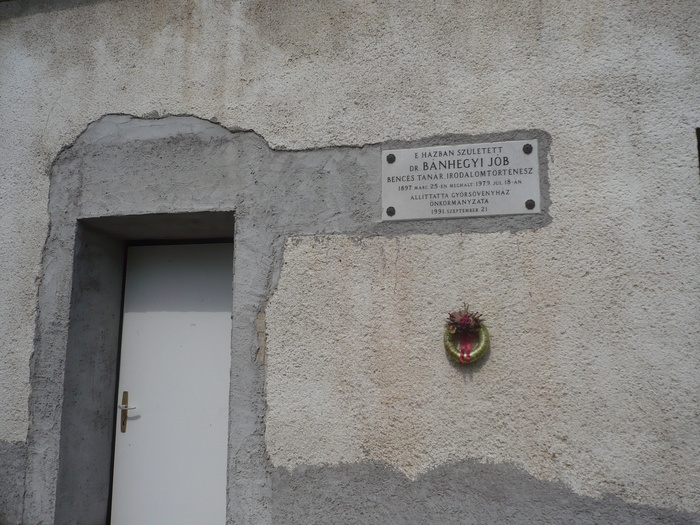
Stop point - Győrsövényház
The settlement was mentioned in 1396 as Suuenzad (Hedge Sew). In the early 1700s, settlers from Bavaria arrived in the village, which used to be entirely Hungarian. In 1946, the ethnic Germans - about 60 percent of the village's population - were resettled in Germany.
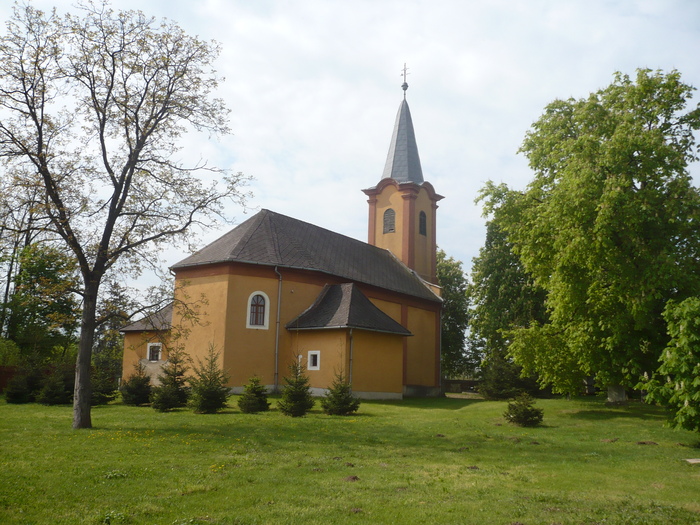
The church of St. John the Baptist was built in 1720 and is decorated in Baroque style. The Laendler mansion dates from around 1879.
Hasonló találatok
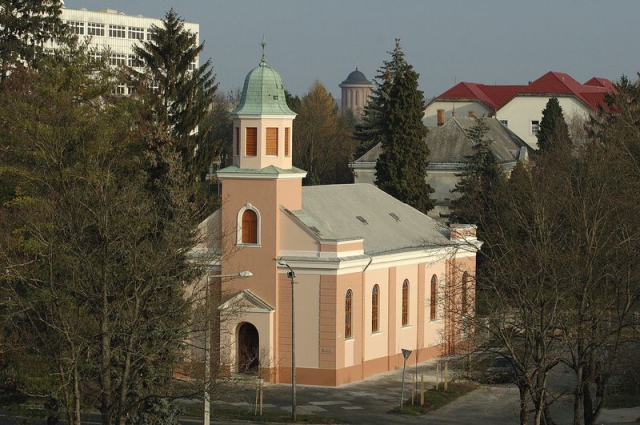
Stop point - Kópháza
KópházaThe history of Cophage dates back to the 13th century. Its inhabitants were German-speaking in the first centuries. Around 1530,...
More
Stop point - Himod
HimodThe first known document mentioning Himod dates back to 1408. In the Middle Ages Himod and the other settlements in the area...
More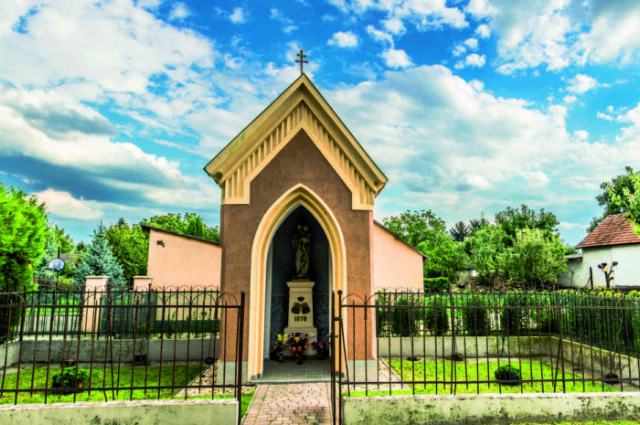
Stop point - Dunakiliti
DunakilitiA native of Dunakiliti, László Batthyány Strattmann was beatified in 2003. Also known as the "doctor for the poor", the...
More
Stop point - Gyöngyösfalu
GyöngyösfaluGyöngyösfalu was created by the merger of four previously independent settlements, Kispöse, Nagypöse, Ludad and Seregélyháza. In...
More