
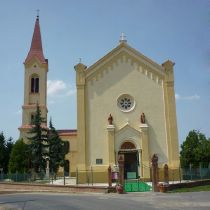
Stop point - Egyházasfalu
The St. Martin's Road runs along the northern edge of the village. The present village was formed by the merger of the villages of Egyházasfalu, Dasztifalu, Kisgógánfa and Keresztény. On the western edge of the village, near the route, is the church of St. George. It was built in 1880 in romantic style.
The route from Egyházasfalu to Nemeskér passes by the recently renovated chapel of St Mary of Kisgógánfa.
Other attractions:
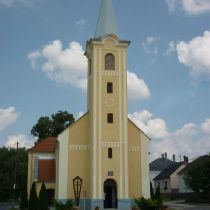
- Church of the Invention of the Holy Cross (1724)
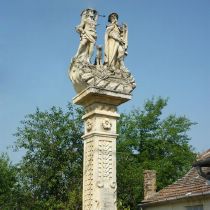
- Column of the Plague (1710)
- Statue of the Holy Trinity (1805)
More information about the village at www.egyhazasfalu.hu
Hasonló találatok
Stop point - Rajka
RajkaOn the outskirts of the settlement, archaeologists have found the remains of a Roman limes. Its first church, dedicated to Saint...
More
Stop point - Bágyogszovát
BágyogszovátThe present settlement was formed in 1950 by the merger of the villages of Bágyog and Szovát. The first mention of medieval...
More
Stop point - Kópháza
KópházaThe history of Cophage dates back to the 13th century. Its inhabitants were German-speaking in the first centuries. Around 1530,...
More
Stop point - Sopronhorpács
SopronhorpácsThe parish church of Saints Peter and Paul was built in the 12th century. Its lined doorway, built around 1230, is an...
More