
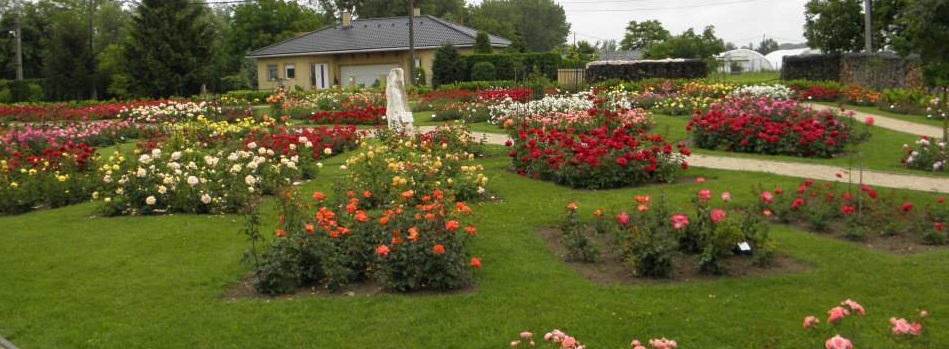
Stop point - Máriakálnok
The village is a renowned place of pilgrimage. According to legend, Christian soldiers retreating from the Turks stopped to rest at the spring on the outskirts of Kálnok in 1529. Their wounds, which were cleansed by the spring water, were miraculously healed immediately. Soon afterwards, a fisherman found a wooden statue of Mary in the spring water. A small chapel was soon built near the spring. The present chapel was built in 1874 on the site of the earlier one.
The other church in the village was dedicated to the Holy Trinity. The baroque building stands in the centre of the village.
Hasonló találatok
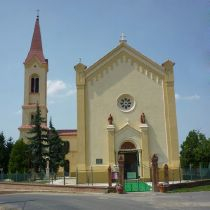
Stop point - Egyházasfalu
EgyházasfaluThe St. Martin's Road runs along the northern edge of the village. The present village was formed by the merger of the villages...
More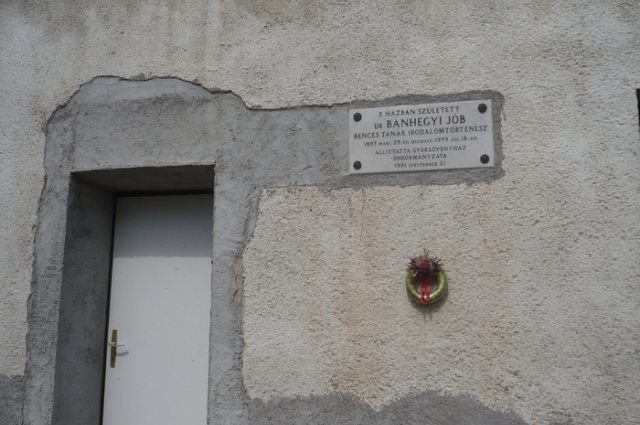
Stop point - Győrsövényház
GyőrsövényházThe settlement was mentioned in 1396 as Suuenzad (Hedge Sew). In the early 1700s, settlers from Bavaria arrived in the village,...
MoreStop point- Zalaszentmárton
Zalaszentmárton.The village is named after Saint Martin, the patron saint of its medieval church. The first mention of the village of...
More
Stop point - Perenye
PerenyeArchaeological evidence shows that the village was inhabited as early as the Bronze Age. In later times the Celts and later the...
More