
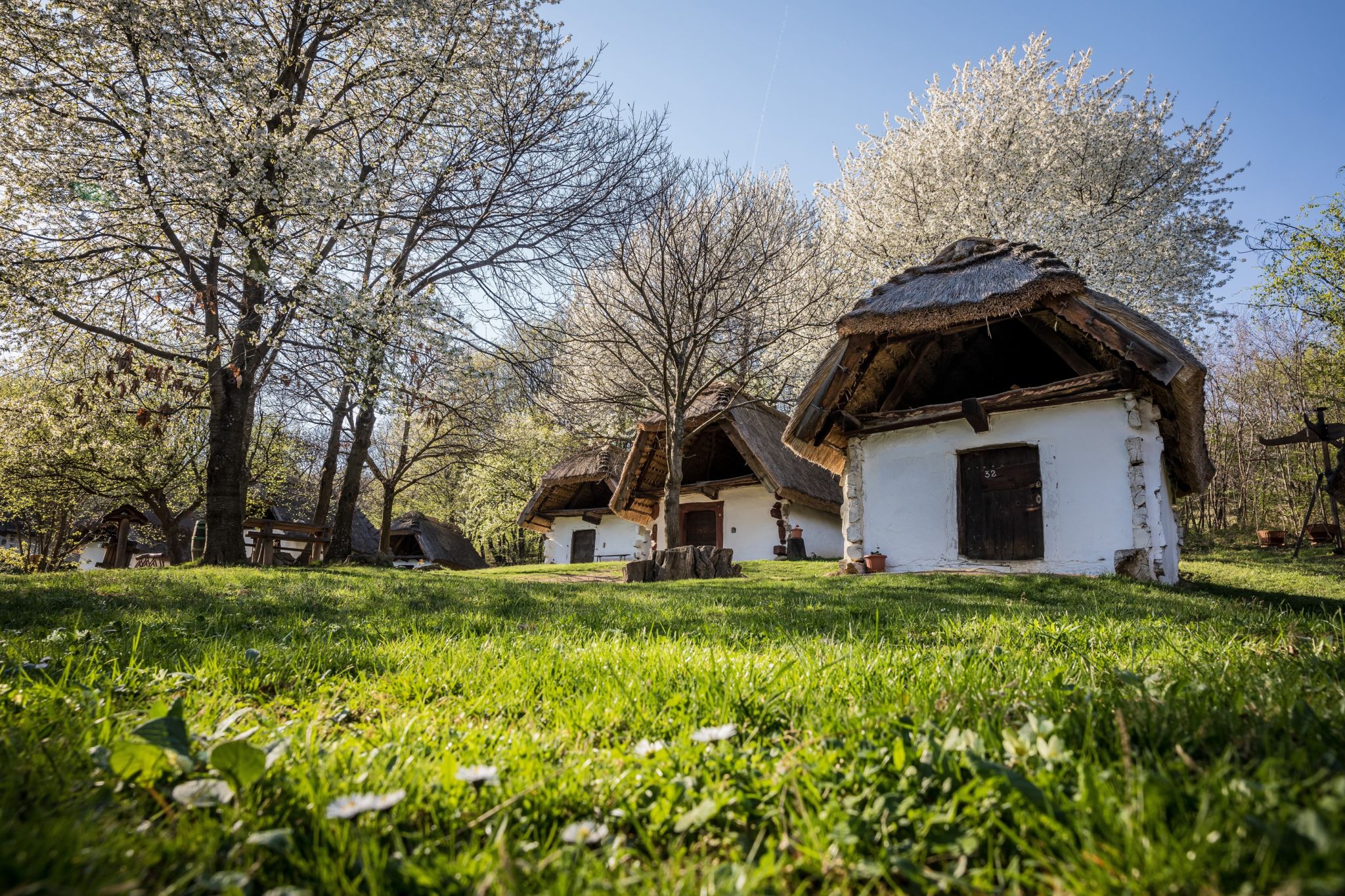
Places of interest- Cák - Pincesor-Szabadtéri Ethnographic Museum
For ecotourism lovers, the protected cellars of the Open-Air Ethnographic Museum on the outskirts of the village of Cák are an interesting attraction. The 8 cellars, which are protected as monuments, evoke the atmosphere of the 18th and 19th centuries.
Around them, a few 100-year-old chestnut trees remind them of the chestnut groves that once flourished. With their girders, pine-roofed, projecting roofs, these hipped-roofed buildings were not used to store wine, but mainly chestnuts and fruit. Most of the wine cellars, built in the early part of the last century, are single-cell, earth-roofed, thatched, pitched, or hipped-roofed. They are hipped at the front, with open gables and hipped at the back. Some cellars are equipped with a vineyard - wine-making tools, including side-screw, stone crusher and centre-screw grape presses.
Source of text and image: https://koszeg.hu/hu/aktiv/okoturizmus/caki-pincesor-szabadteri-neprajzi-muzeum-11610.html; https://szallas.hu/programok/caki-pincesor-szabadteri-neprajzi-muzeum-cak-p1130#image-1
Hasonló találatok
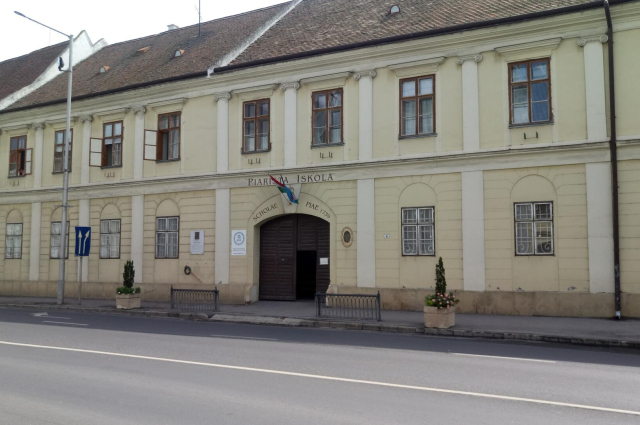
Point of interest - Mosonmagyaróvár - Piarist Chapel
Mosonmagyaróvár - Piarista kápolnaThe first secondary school in Moson county was opened here in 1739. Until the nationalisation of the school (1948), the youth of...
MorePoint of interest- Dunaremete - St. John Nepomuk Church
Dunaremete - Nepomuki Szent János-templomThe village already had a church in 1600, and the villagers were all Catholic. With the spread of the Reformation, the Bakics...
More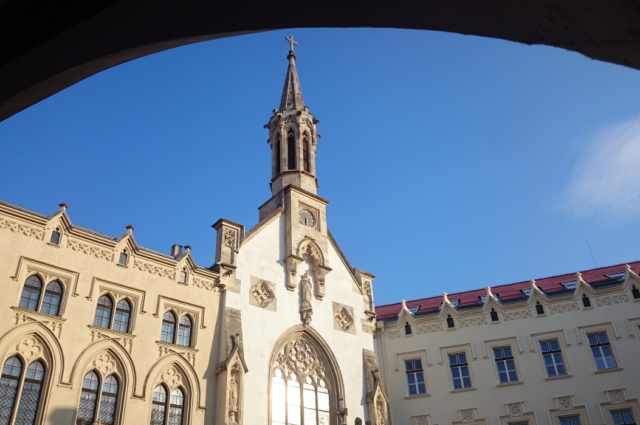
Point of interest -Sopron - Church of the Immaculate Conception (orsolyte)
Sopron - Szeplőtelen Fogantatás (orsolyita) templomThe convent of the Order of St. Orsolya in Sopron was founded in 1746 by the Viennese woman Mária Niggl.
More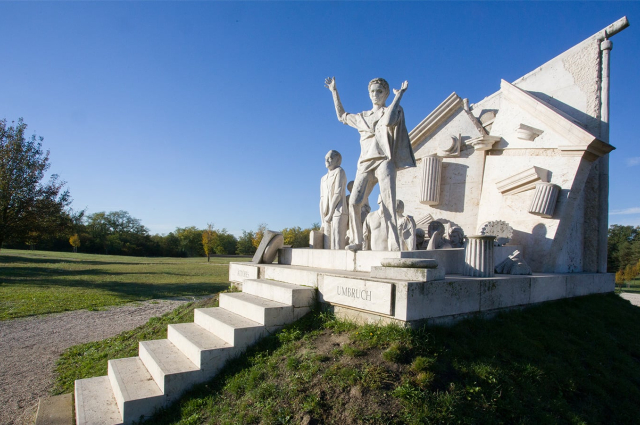
Point of interest - Fertőrákos - Pan-European Picnic Memorial
Fertőrákos - Páneurópai Piknik EmlékhelyAt the site of the Pan-European Picnic Memorial and Visitors' Centre, a pivotal and fateful event in European history took...
More