More 2 picture
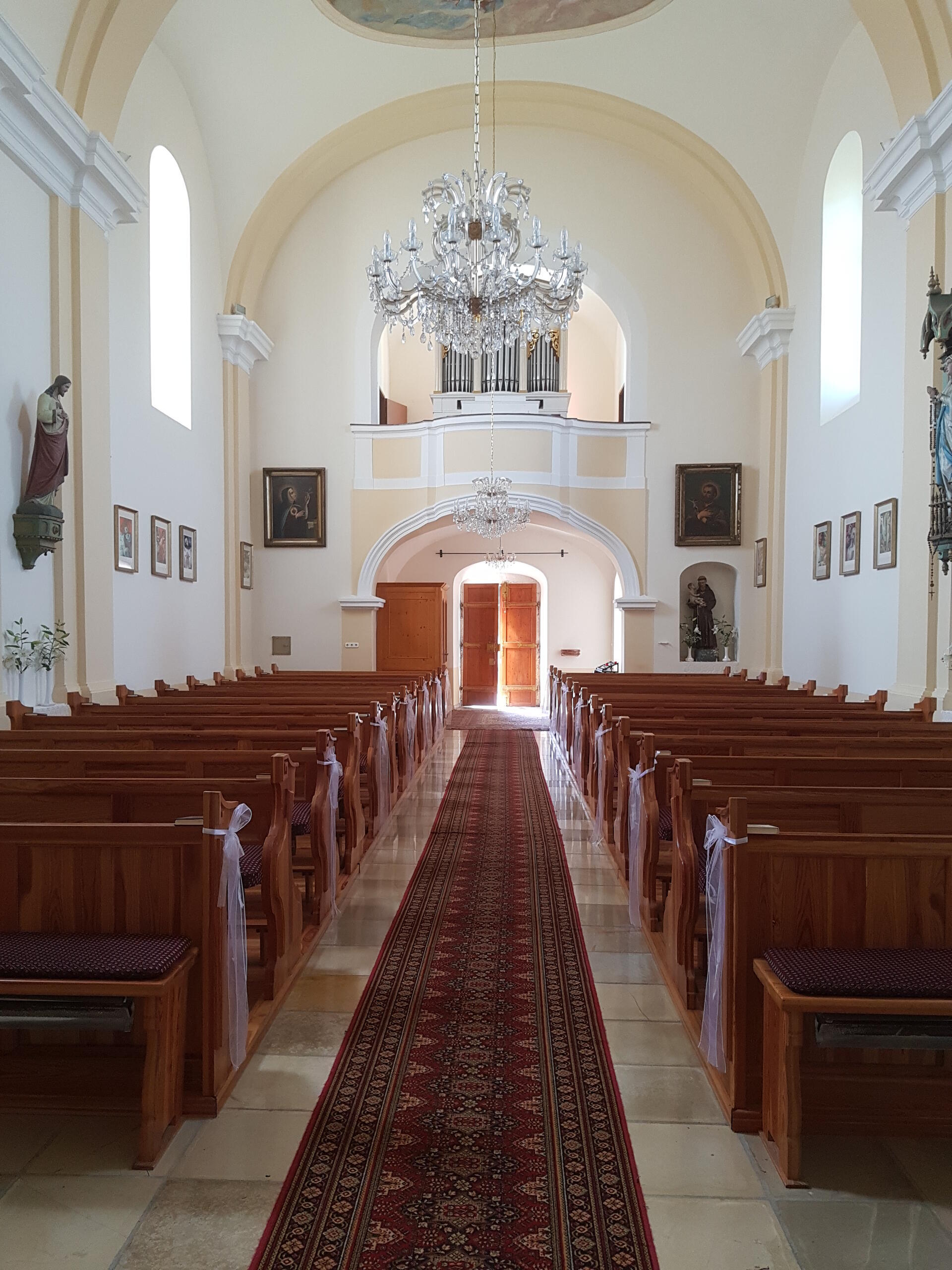
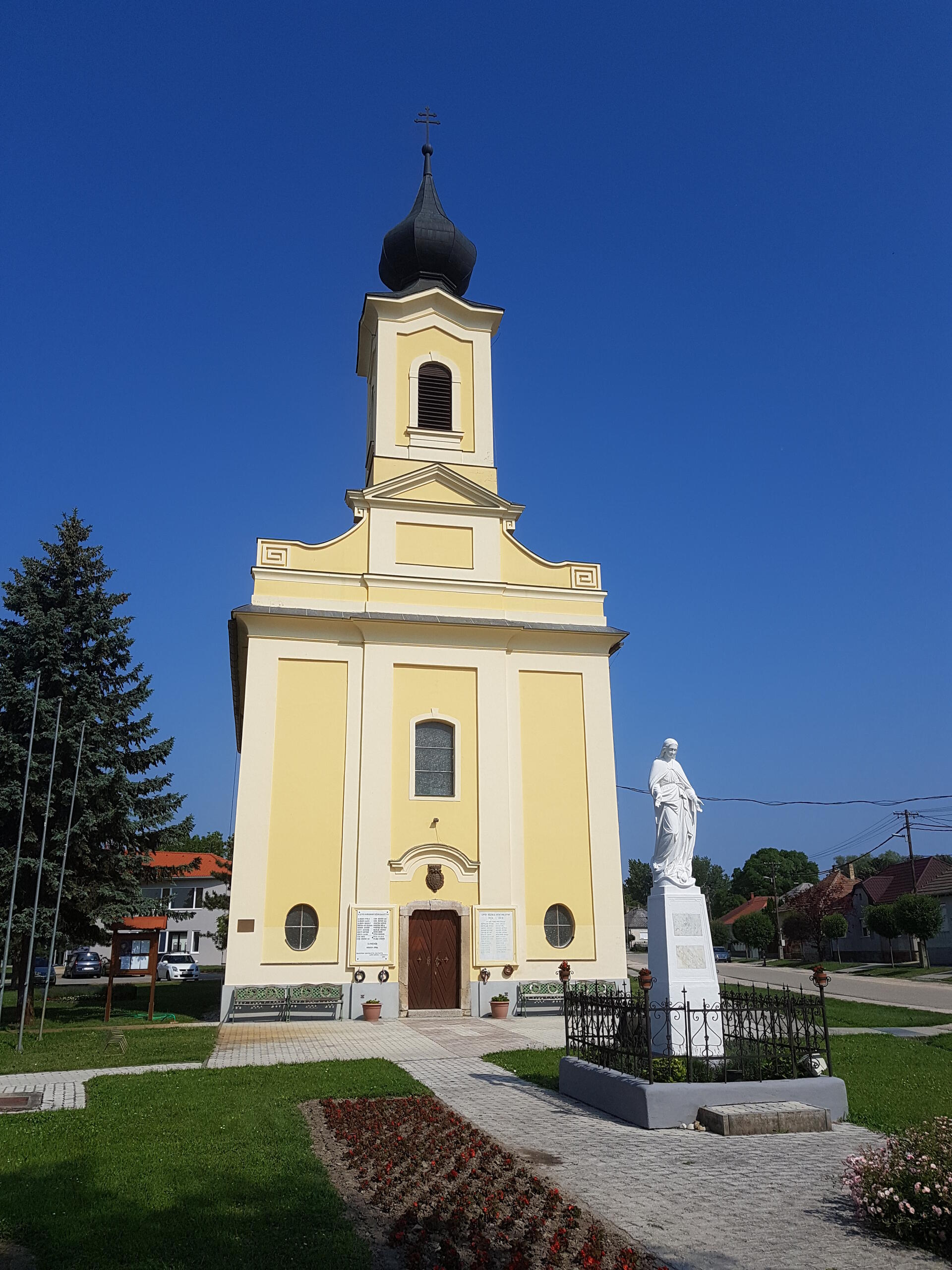
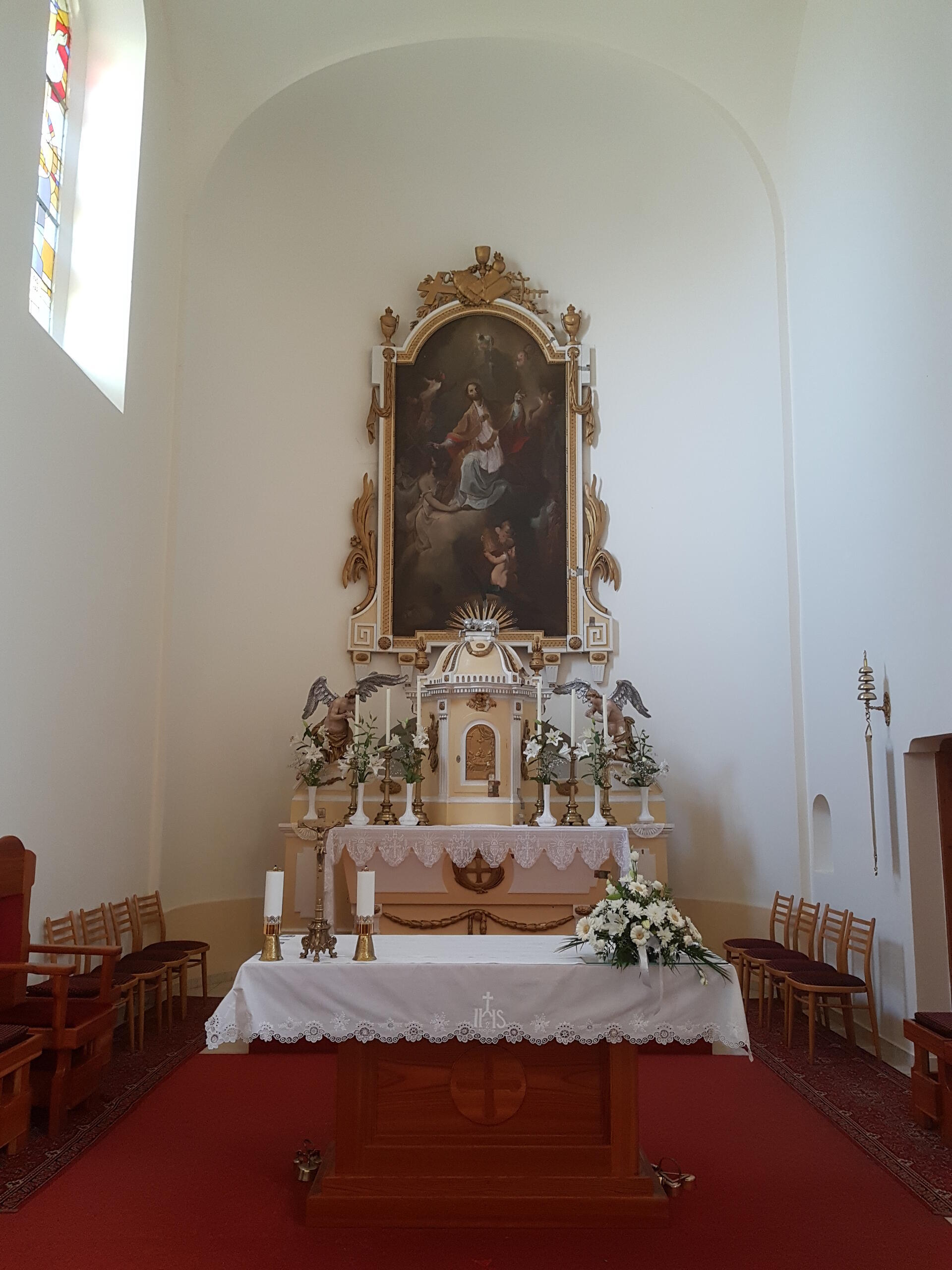
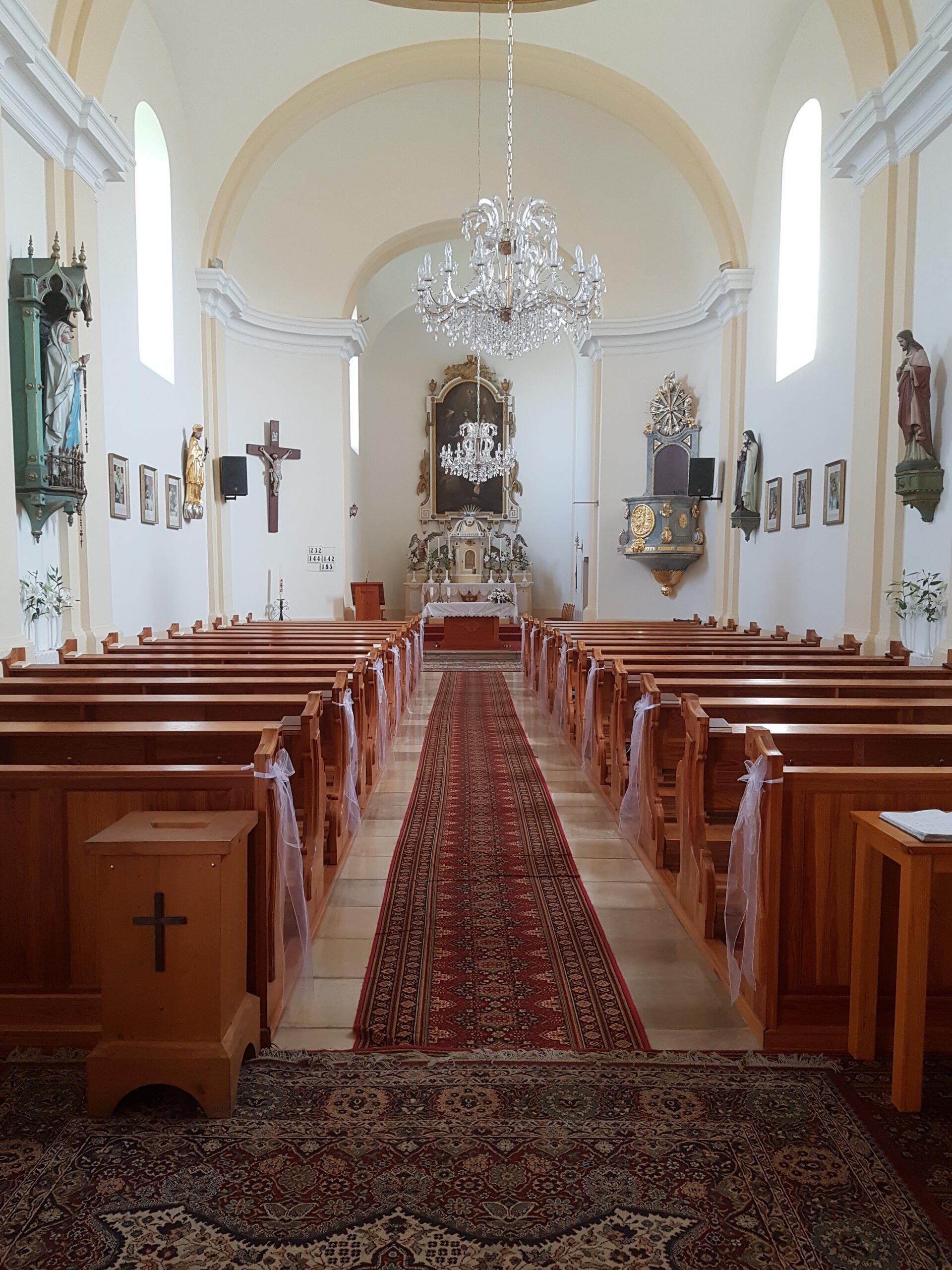
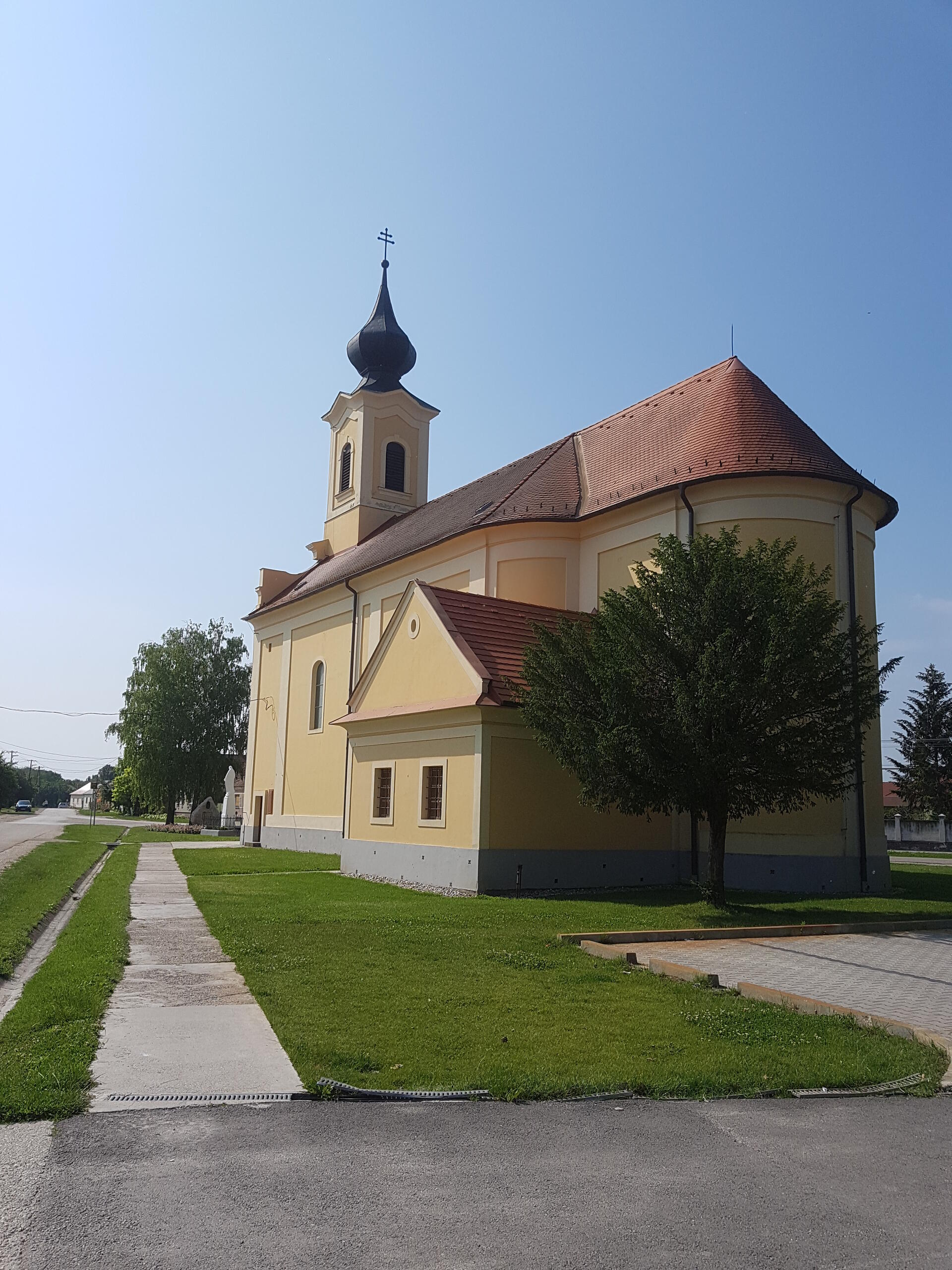
The church was built by Count Mihály Vitzay in 1777. Its altarpiece depicts the glorification of Pope Clement, the third successor of Peter the Apostle, who was martyred in 101. The painting is by Franz Anton Maulbertsch or one of his pupils. In the painting, the clouds of Clement are lifting him towards the Lamb, representing Christ. Around him are angels, the insignia of the papacy and participants in a procession. These people are standing beside a church surrounded by water, looking up at the saint and asking for his intercession.
Often threatened by the Danube's flooding, the people of Lipót also trusted in the protection of Saint Clement, whose life and martyrdom were both connected with water. According to tradition, Pope Clement was exiled by Emperor Trajan to the Crimea, where he was enslaved in a marble quarry. He and his fellow slave labourers suffered much from thirst. In answer to their common prayer, Clement, at the place shown to him by Jesus in his vision, drew a spring of water, and the distraught inhabitants of the area were baptised. When this came to the attention of the emperor, he ordered a stone to be tied around Clement's neck and drowned in the sea. The body of the saint did not remain in the sea tomb: the sea receded so that the faithful could take his body out on dry land.
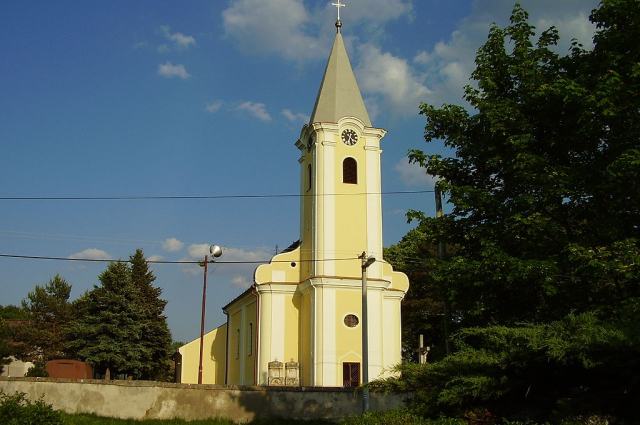
Dunacsun or Csún (Slovak and Croatian: Čunovo, German: Sarndorf) is a municipality in Bratislava, in the Bratislava district of...
More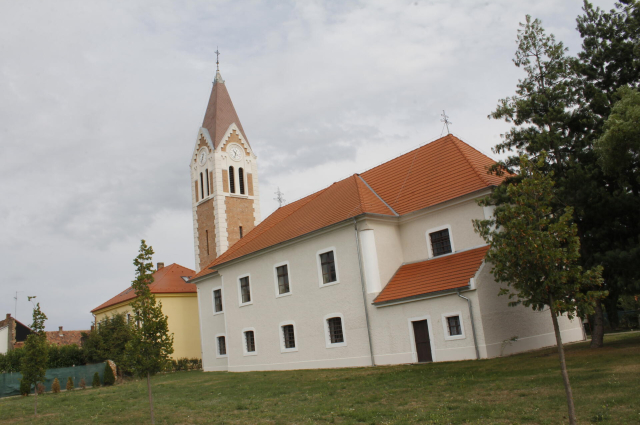
There was an Evangelical church in Rajka as early as the 17th century, but it was destroyed during the Turkish attack on Vienna....
More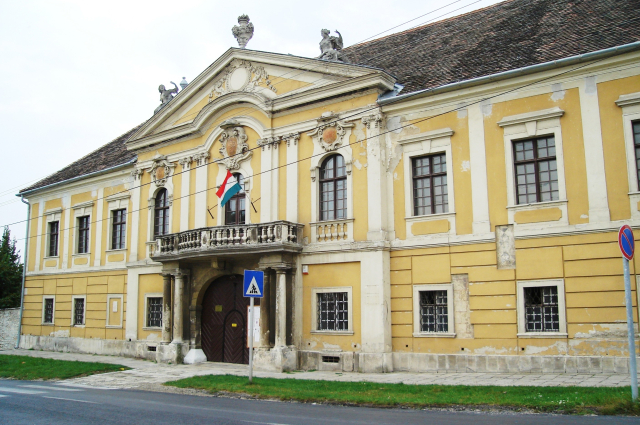
The Bishop's Castle of Fertőrákos (also called Zichy Castle after its last great builder) is a one-storey, rococo façade,...
More
In the 19th century, as the village prospered, it became more and more urgent to build a new church to replace the small and...
More