More 1 picture
The medieval Hungarian name of the settlement was Bajka. After the Turkish invasion of 1532, Croats were settled in the village, whose descendants still preserve their mother tongue and customs.
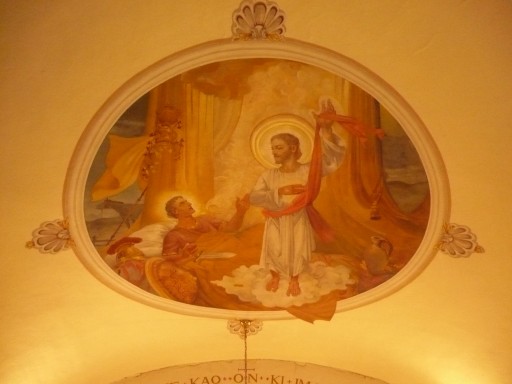
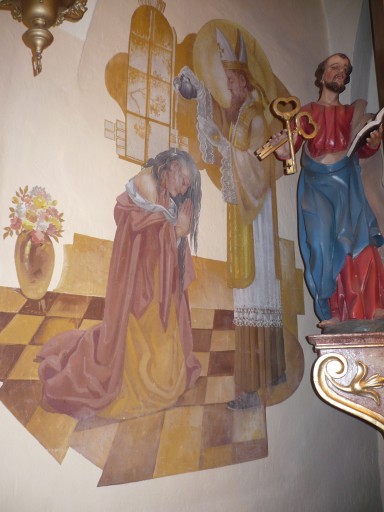
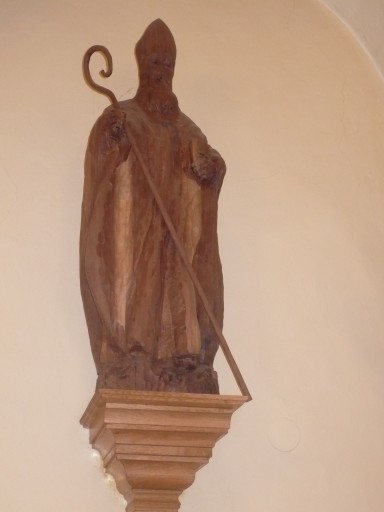
The church of St. Martin on the edge of the village is of medieval origin. The Baroque altarpiece depicts the division of the mantle. The wall paintings in the sanctuary and on the ceiling depict scenes from the legend of Saint Martin - Martin baptising his mother, Martin raising the dead young man, Martin's dream. The murals were painted by Zoltán Závory (1906 - 2000). On the north wall is a wooden statue of Bishop Saint Martin.
Accommodation:
- Dreiszker Guest House
Address: 9733 Ólmod Fő u. 50 .
Tel: (36) 30 217 7585
E-mail: dreiszlevi@yahoo.com
- Grape Bunches Guesthouse
Address: 9733 Ólmod Fő u. 38.
Tel.: (36) 30 295 04 63
E-mail: szolofurtvendeghaz@citromail.hu
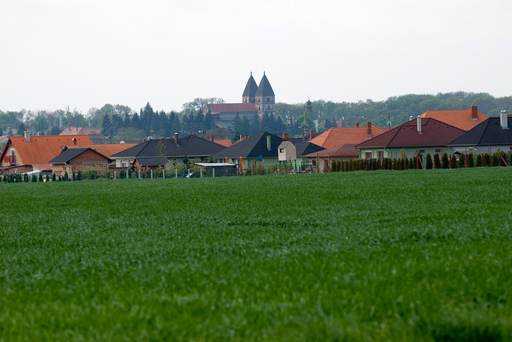
The Abbey of St George of Jaak was founded around 1220 by Martin the Great of Jaak (Marthinus Magnus de Jaak), and the teplom...
More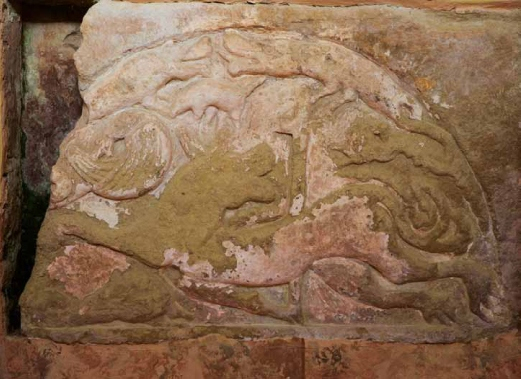
The name Pusztacsatár refers to the Árpád era village of Csatár and the occupation of its inhabitants (csatár = shield maker)....
More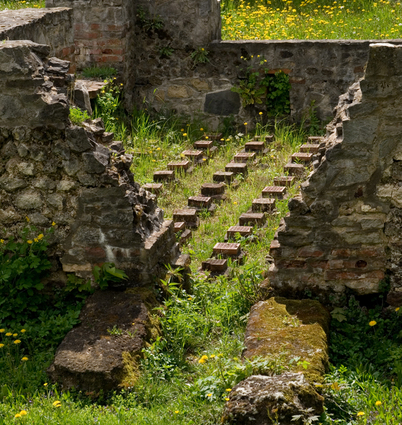
Zalalövő was already an inhabited place and a transport hub in Roman times. The settlement was granted the status of a town by...
More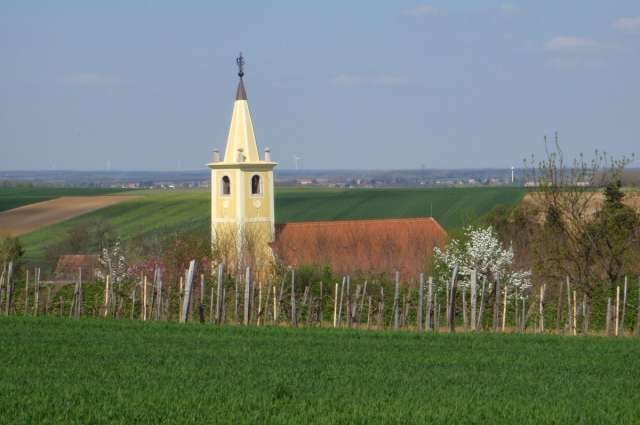
The settlement, currently 36% Croatian, is mentioned in documents from around 1195. It was a manor of the Abbey of Borsmonostor...
More