More 6 picture
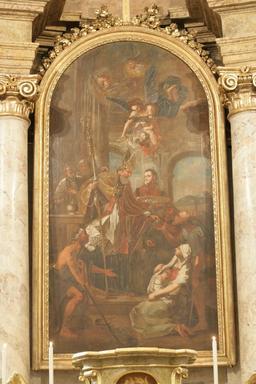
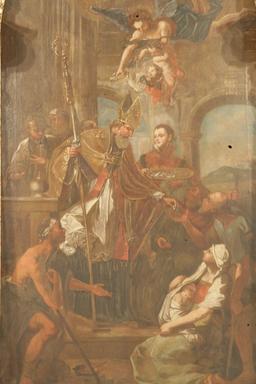
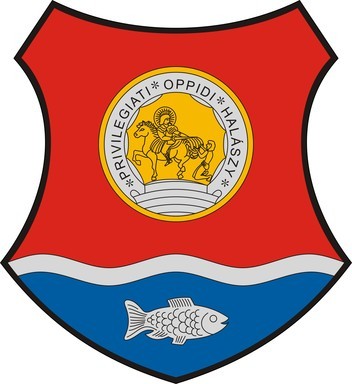
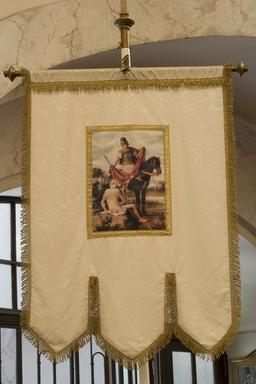
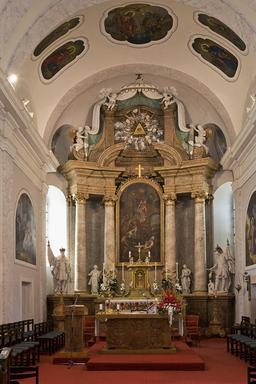
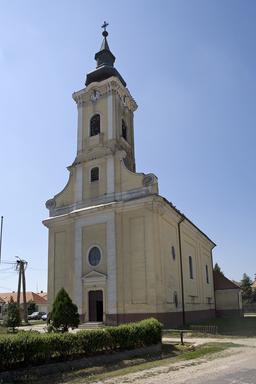
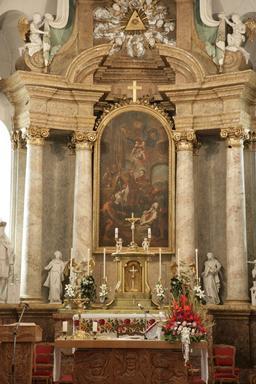
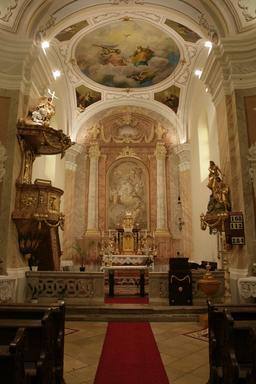
The settlement was already a fishing village in the Árpád era. Its inhabitants were fish transporters for the royal court of Moson. During the 11th century, King Solomon fled to the castle of Moson during the Wars of the Throne. There are many legends about the Salamon dűlő on the outskirts of the settlement. Halász received its charter of privilege from King Ferdinand I in 1550. In the 17th century its inhabitants converted to Protestantism. The Reformed pastor János Máté Samarjai was the bishop of the Dunamelléki diocese from 1622 to 1652. The church, dedicated to St. Martin after the Reconversion, was built in 1755 in late Baroque style with a frontal tower and a semicircular nave. Its high altar is decorated with a painting by Maulbertsch's disciples. In the centre of the composition, which depicts the miracles of Saint Martin in a painting, the bishop, seated in an episcopal ornate, gives a beggar a coin. The pulpit is carved in the Rococo style.
The present settlement was formed in 1950 by the merger of the villages of Bágyog and Szovát. The first mention of medieval...
More
The name of the settlement is probably a personal name, as one of our squatting leaders was called Ond. In the 16th century, the...
More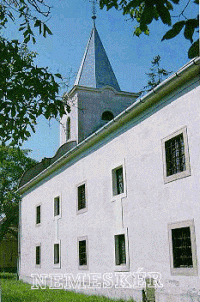
Nemeskér is one of the centres of evangelicalism in Western Transdanubia. The village was declared an articular village in 1681,...
More
Gyöngyösfalu was created by the merger of four previously independent settlements, Kispöse, Nagypöse, Ludad and Seregélyháza. In...
More