
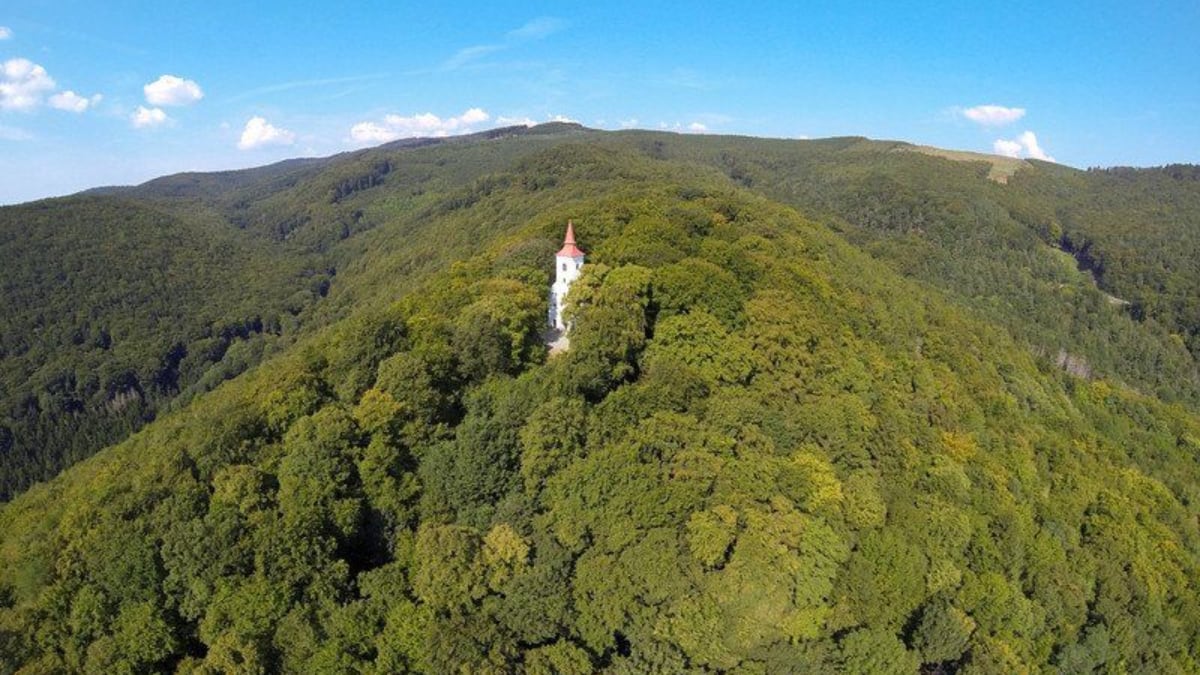
Velem - St Vid Chapel
In the Bronze Age, the site of the chapel of St Vid was the site of an extensive and important town, with houses built on artificial terraces around the ridge.
Later, during the Roman Empire, a watchtower stood here. From here, the aqueduct system that supplied water to the former Savaria (now Szombathely) was well protected. The area was later populated by the Avars, whose burial sites are being archaeologically excavated. It was also a fortified site in the Árpád period, and is said to have been defended against the Turks by Miklós Jurisics together with the fortress of Kőszeg.
In 1713, the monk Hilerian built a hermitage and a chapel on the site. The present form of the one-nave Baroque building was created in 1859. If you take the staircase next to the chapel, you can descend down a terrace. From here you can clearly see the structure of the former settlement and its terraces.
Hasonló találatok
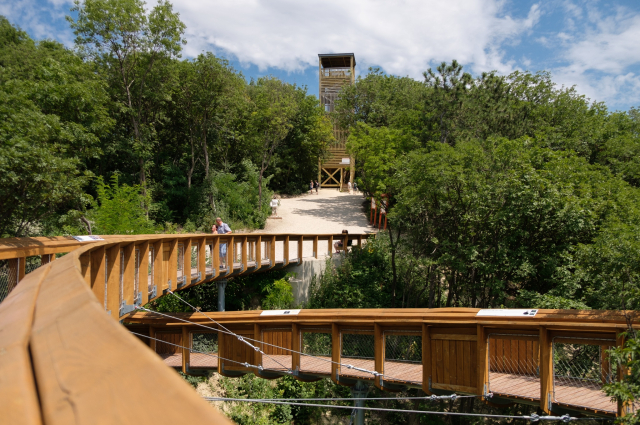
Point of interest- Pannonhalma - Happy Mór Lookout
Pannonhalma - Boldog Mór-kilátóAlthough not directly belonging to the abbey, the environment of the Benedictine Archabbey of Pannonhalma includes the Blessed...
More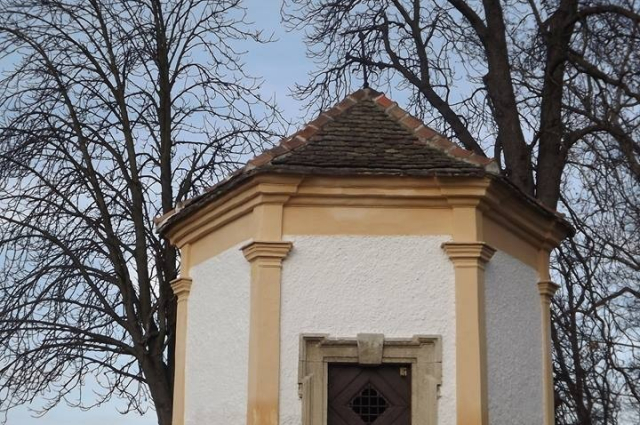
Point of interest - Hédervár - Peregrinus Chapel
Hédervár - Peregrinus-kápolnaThe roadside, octagonal Peregrinus Chapel was built in 1709 by Jób Viczay's wife, Eszter Ebergényi, in honour of the patron...
More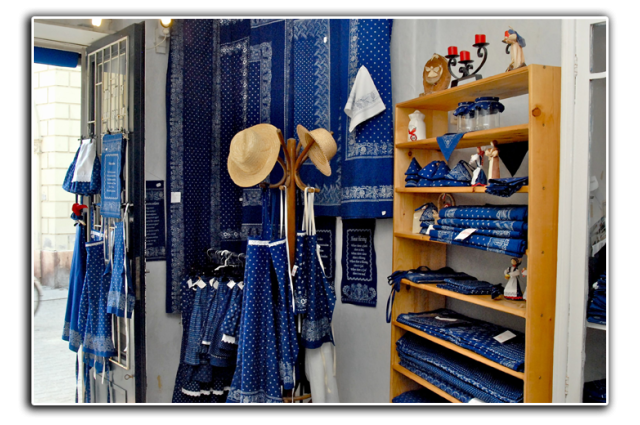
Point of interest- Győr - Blue Painting Workshop
Győr - Kékfestő műhelyThe family business, founded in 1906, produces blue-dyed textiles using traditional tools and technology.In 2007, the town...
More
Point of interest - Lébény - Quadrata of the Roman camp Quadrata
Lébény - Quadrata római tábor maradványaiIn 9 AD, the future emperor Tiberius conquered Pannonia, and a military camp and civilian settlement were established in the...
More