
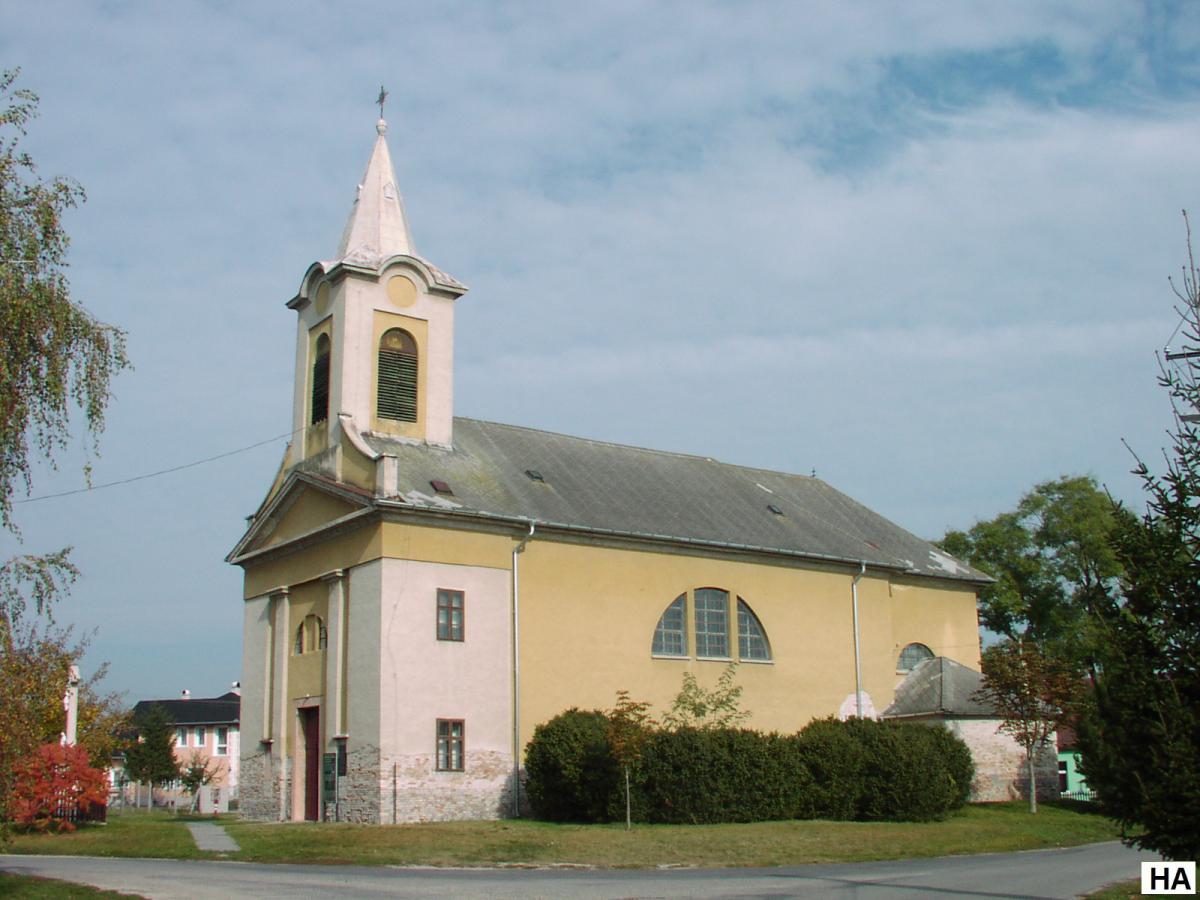
Point of interest- Dunaszentpál - Church of St Peter and Paul
The former church of the village was built by the Héderváry family, then György Széchényi, Archbishop of Esztergom, had it restored after the Turkish-era ruin. On 1 September 1845, 41 houses of the village and the church burnt down. The present house of worship was built between 1847 and 1849, based on the plans of János Lengerer. In 1876, parts of the building, which had been submerged by flooding, had to be demolished, rebuilt and re-founded. The church has recently been completely renovated, with decorative pavement and paving stones around the church. The building is in a neoclassical style. The baroque pulpit was taken from the neighbouring church of Dunaszeg. The paintings in the nave are 19th-century copies, while the picture in the sanctuary is by Zsolt Malasits. The pews were made by Károly Schreiner, who also restored the baptismal font in 1783. The organ, built in 1906, is a product of the Rieger factory. Of its bells, the smaller of the 57 cm diameter, 98 kg, was cast in 1740.
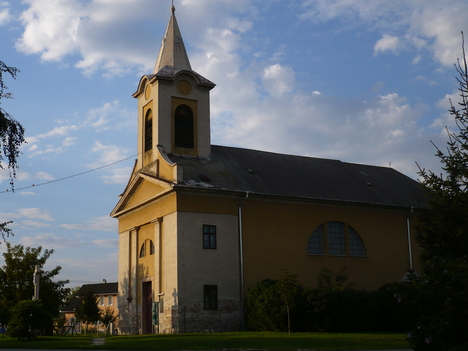
Hasonló találatok
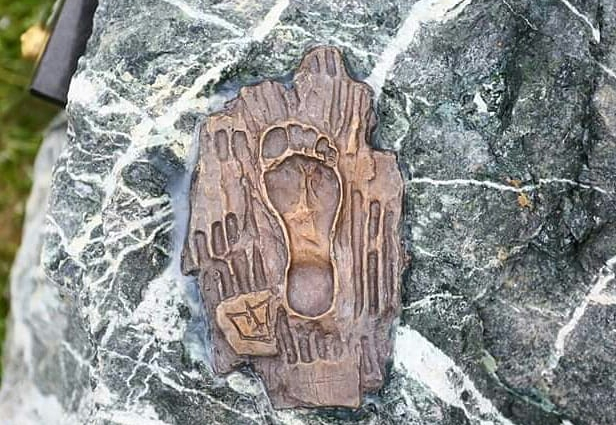
Point of interest - Kőszeg - Bronze footprint of Saint Martin
Kőszeg - Szent Márton Bronz lábnyomaIn November 2019, the St. Martin Memorial was inaugurated next to the St. Martin tree in Hunyadi Mátyás Park in Kőszeg. King...
More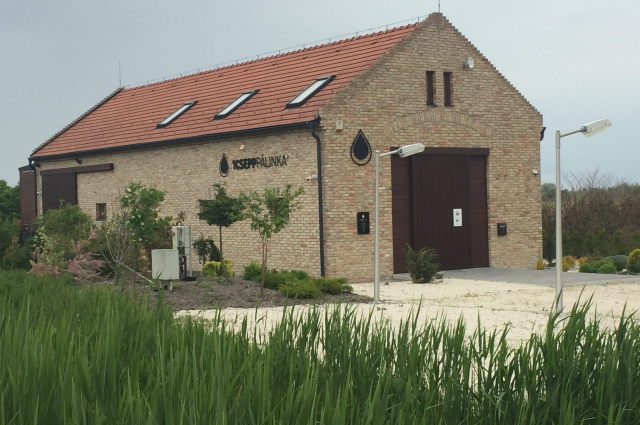
Point of interest- Hegykő - 1 Drop Pálinka
Hegykő - 1 Csepp PálinkaThe distillery in the area of the Fertő-Hanság National Park, in Hegykő, combines the traditions of brandy brewing with the most...
More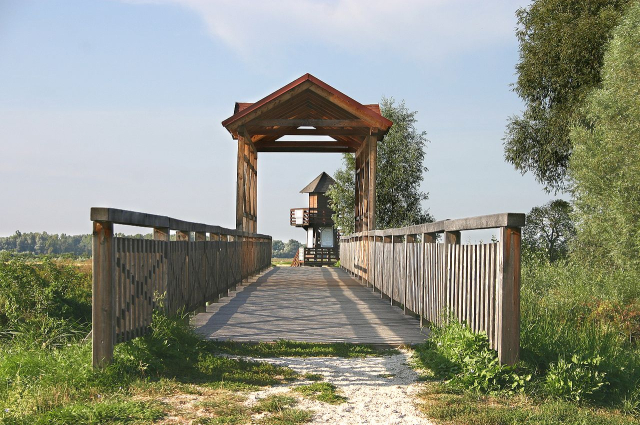
Point of interest- Mosontarcsa - Andau Bridge
Mosontarcsa - Andaui hídThe Mosontarcsa Bridge (also known as the Andau Bridge, after the German name of the village) is an old wooden bridge on the...
More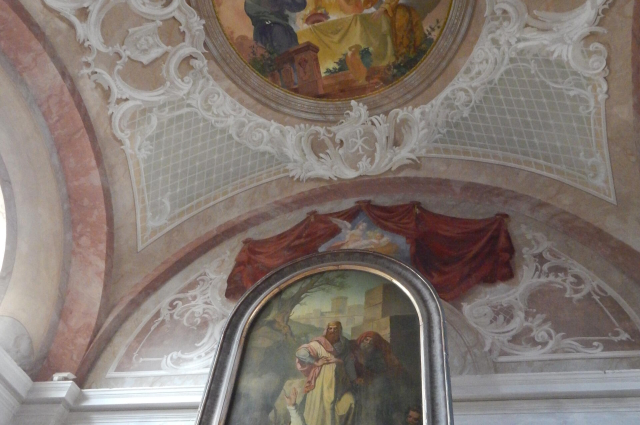
Point of interset - Kunsziget - Church of St. Lawrence
Kunsziget - Szent Lőrinc-templomThe first church of Kunsziget was built by Lőrinc Szécsényi around the 1670s. The temple was consecrated in honour of St. Lőrinc...
More