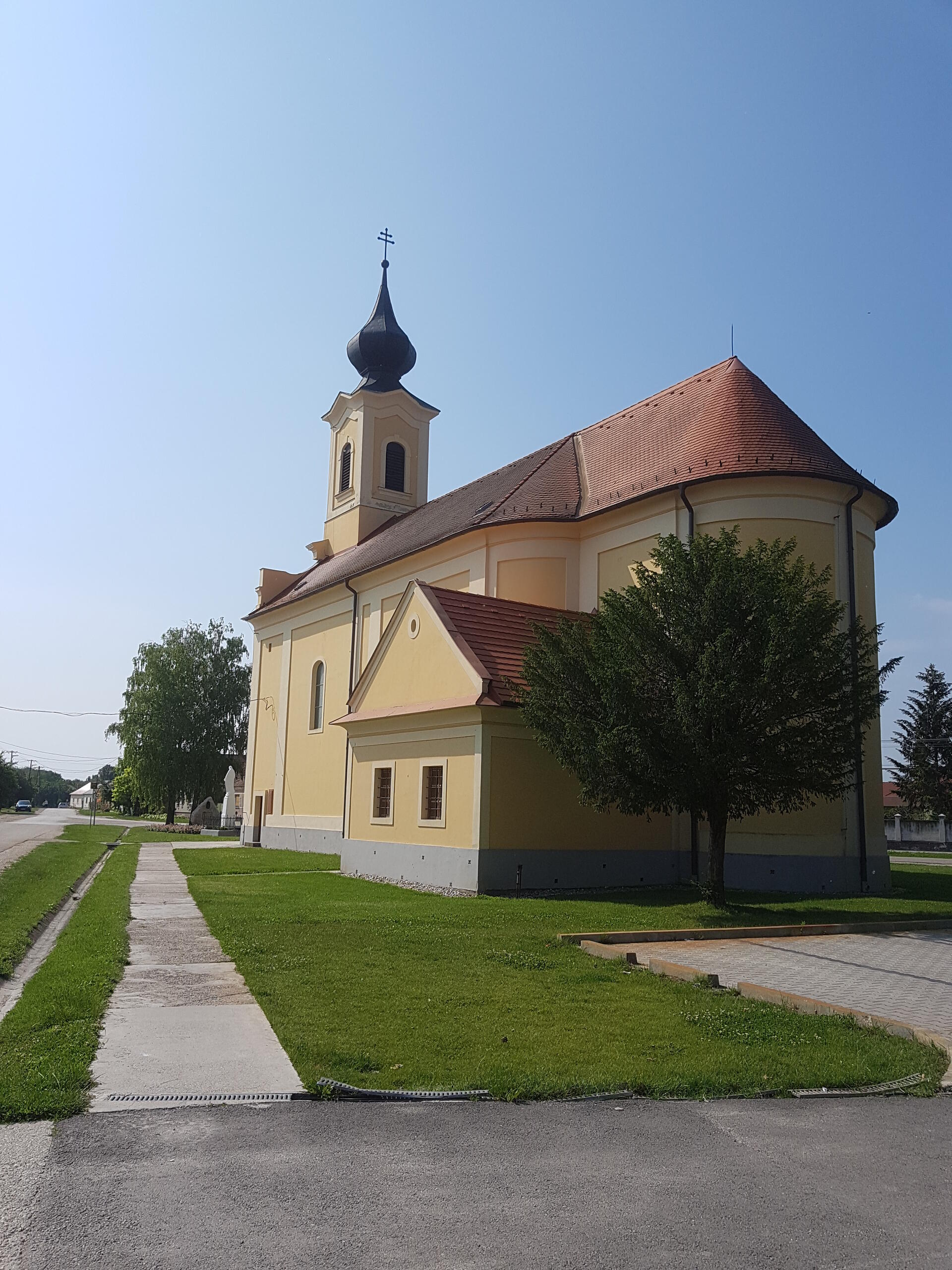
More 2 picture
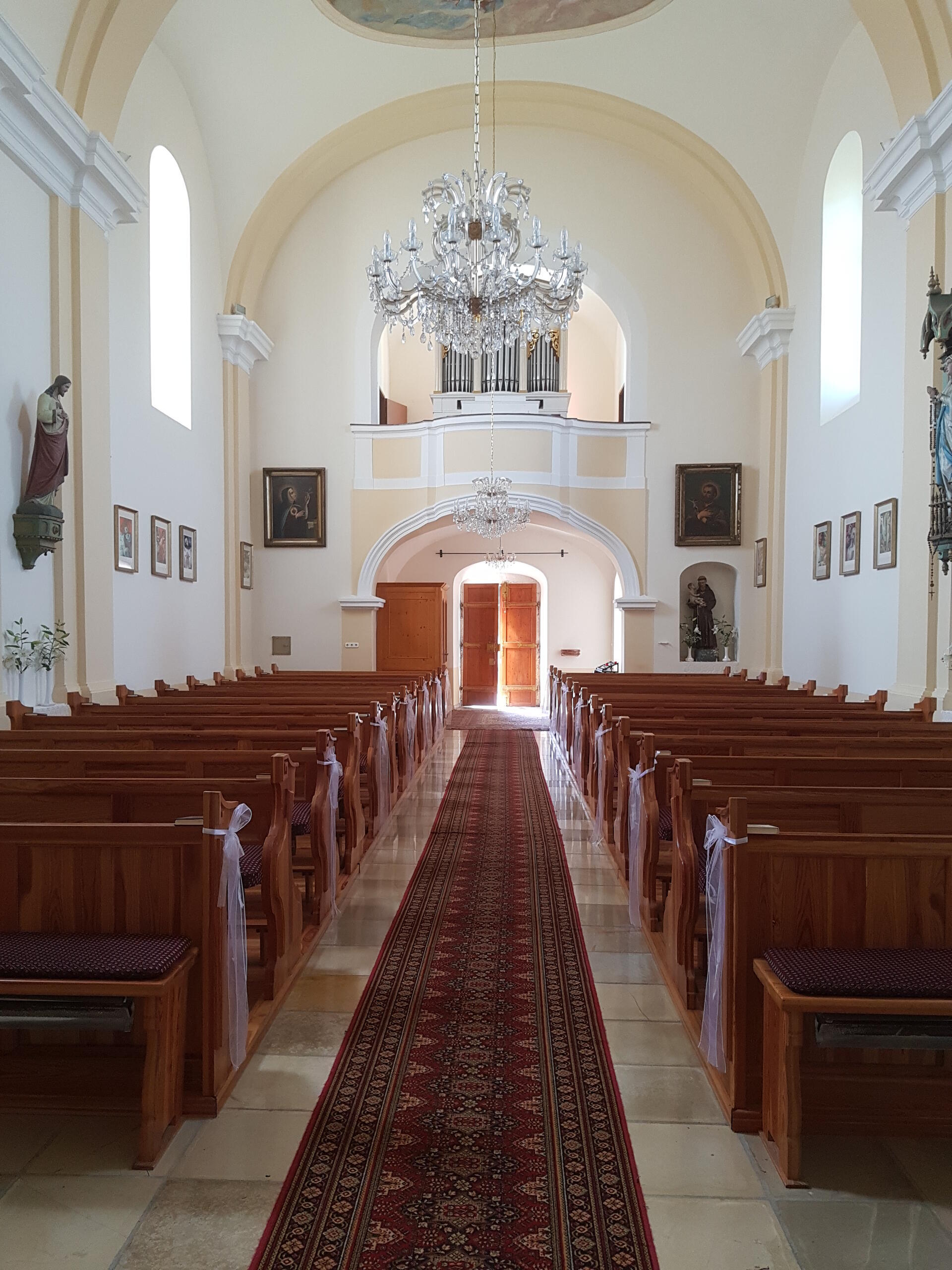
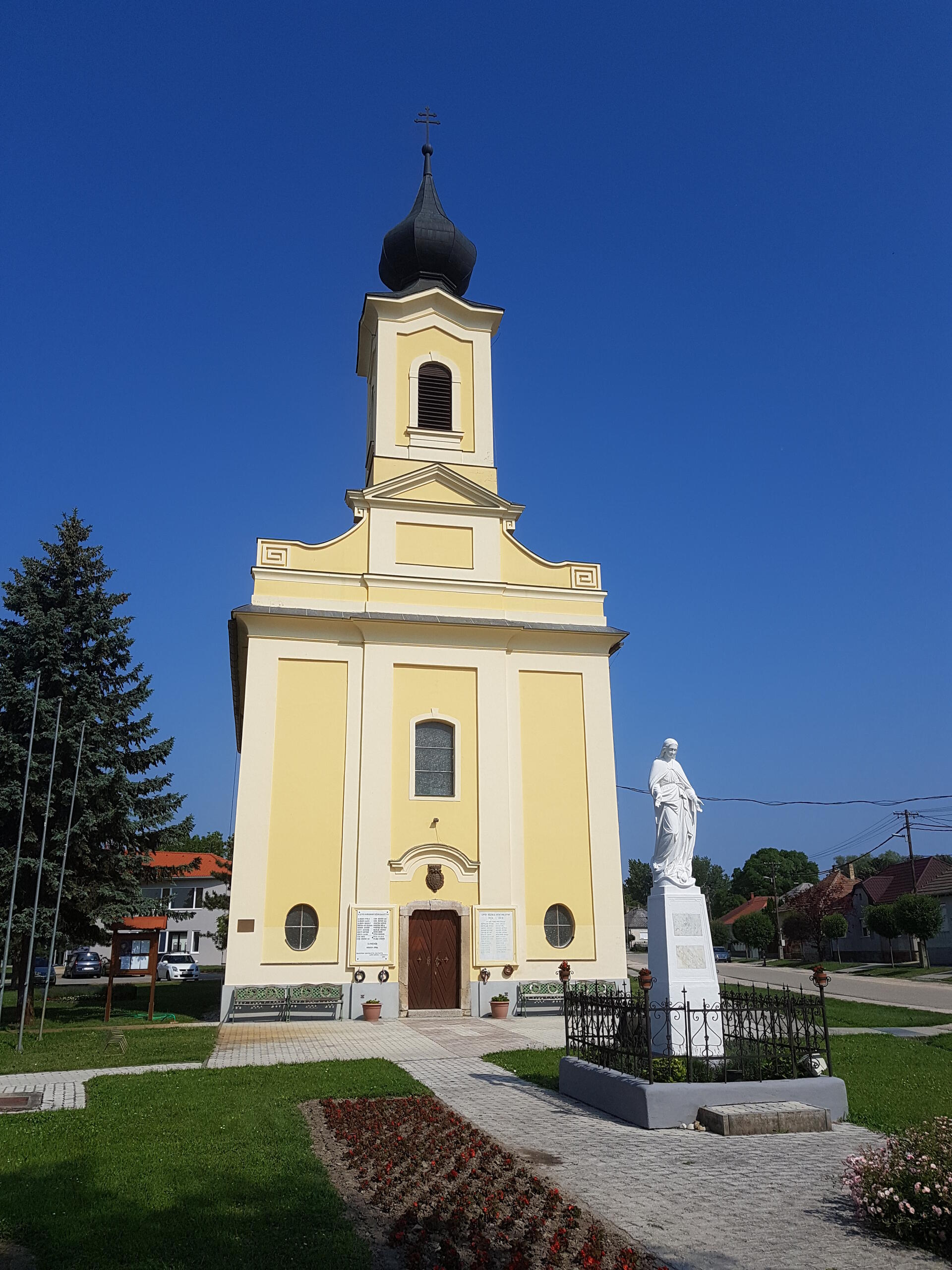
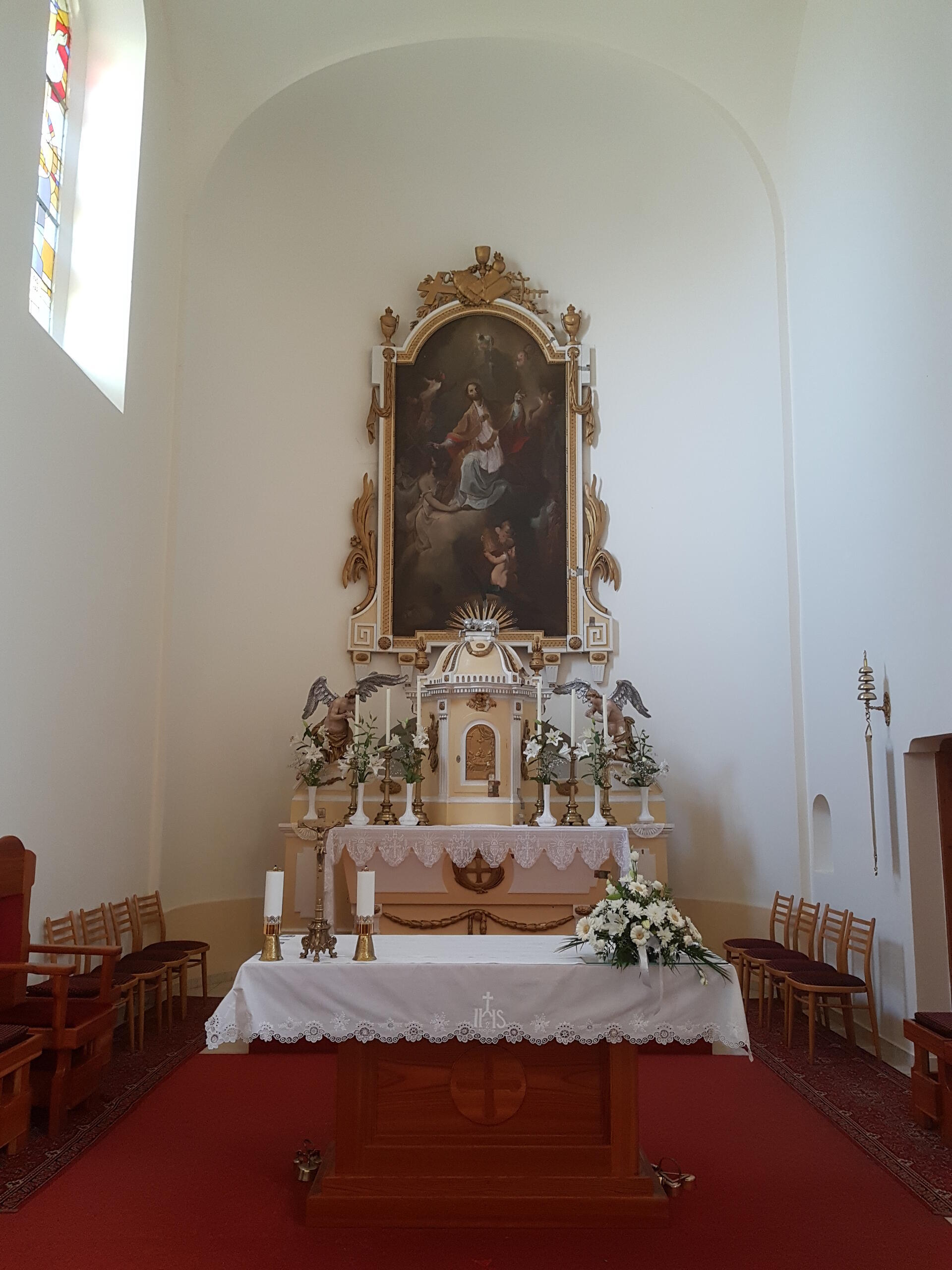
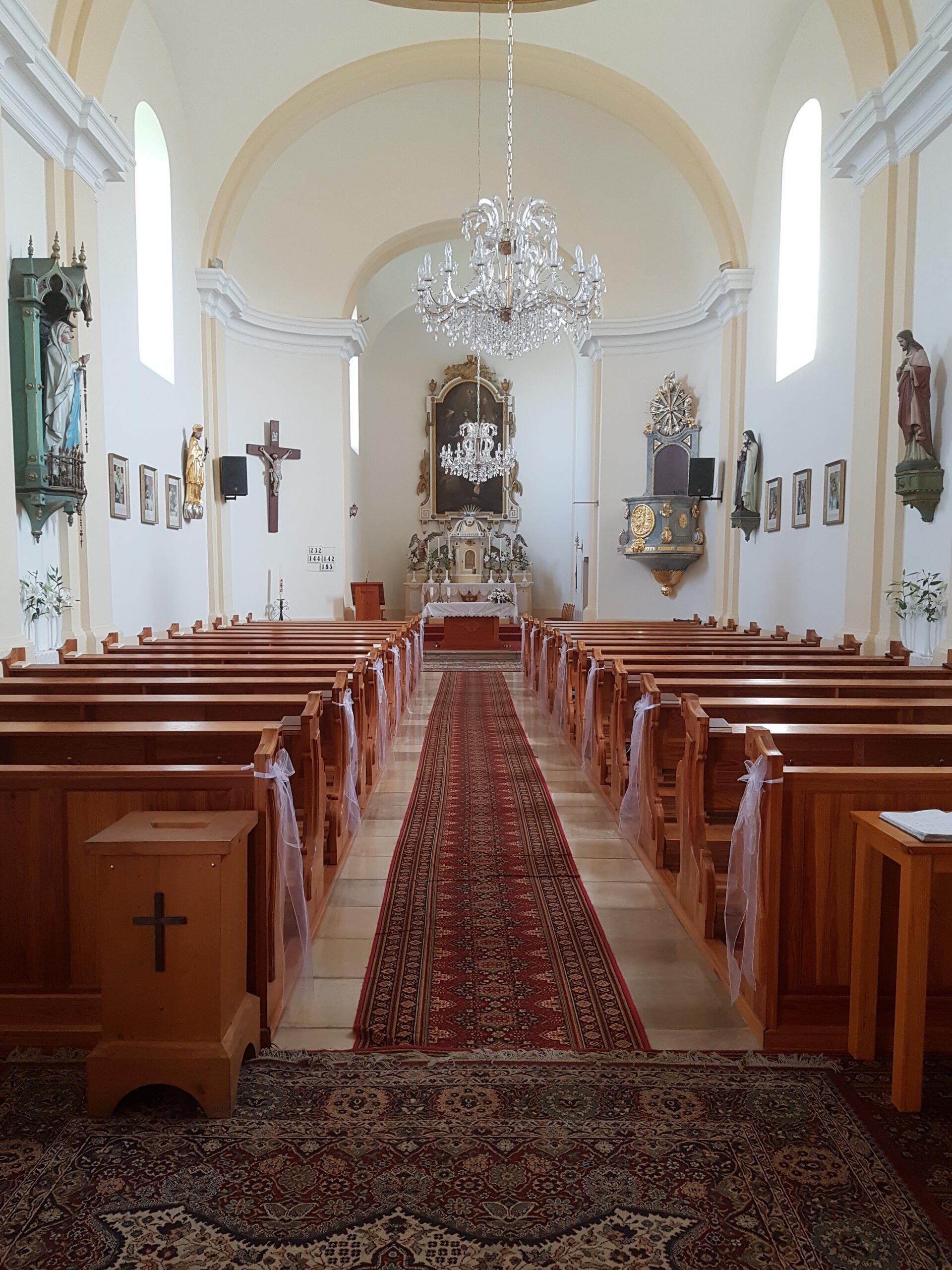
The church was built by Count Mihály Vitzay in 1777. Its altarpiece depicts the glorification of Pope Clement, the third successor of Peter the Apostle, who was martyred in 101. The painting is by Franz Anton Maulbertsch or one of his pupils. In the painting, the clouds of Clement are lifting him towards the Lamb, representing Christ. Around him are angels, the insignia of the papacy and participants in a procession. These people are standing beside a church surrounded by water, looking up at the saint and asking for his intercession.
Often threatened by the Danube's flooding, the people of Lipót also trusted in the protection of Saint Clement, whose life and martyrdom were both connected with water. According to tradition, Pope Clement was exiled by Emperor Trajan to the Crimea, where he was enslaved in a marble quarry. He and his fellow slave labourers suffered much from thirst. In answer to their common prayer, Clement, at the place shown to him by Jesus in his vision, drew a spring of water, and the distraught inhabitants of the area were baptised. When this came to the attention of the emperor, he ordered a stone to be tied around Clement's neck and drowned in the sea. The body of the saint did not remain in the sea tomb: the sea receded so that the faithful could take his body out on dry land.

The Fertő-Hanság National Park lies in the north-western part of Hungary. Its predecessor was the Fertő-tó National Park, which...
More
After 1530, the municipality had a new prison built in the market square, underground. A tower was placed above it. This is the...
More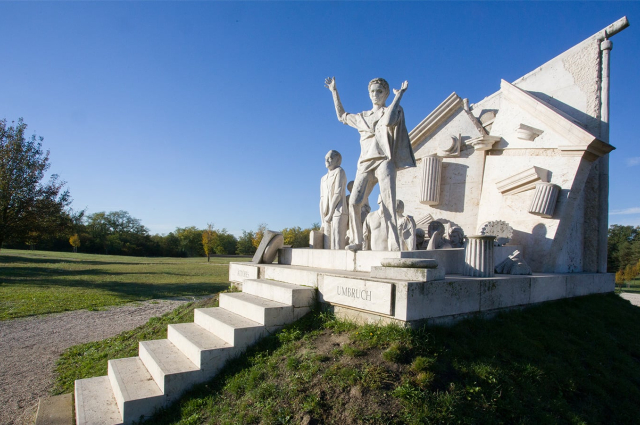
At the site of the Pan-European Picnic Memorial and Visitors' Centre, a pivotal and fateful event in European history took...
More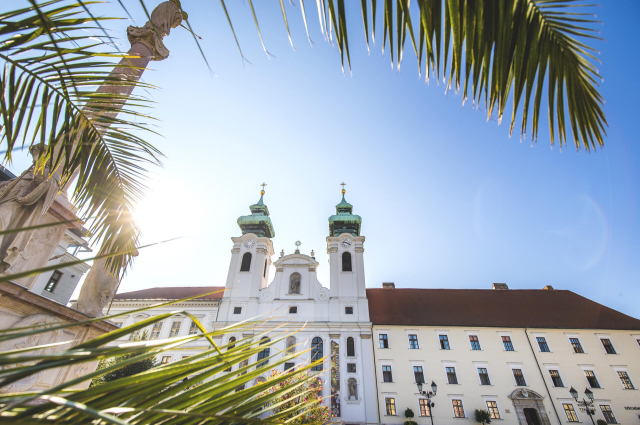
The church of the Jesuits, who settled in the town in 1626, was built between 1634 and 1641, modelled on the Roman church of Il...
More