
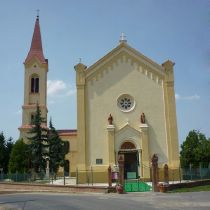
Stop point - Egyházasfalu
The St. Martin's Road runs along the northern edge of the village. The present village was formed by the merger of the villages of Egyházasfalu, Dasztifalu, Kisgógánfa and Keresztény. On the western edge of the village, near the route, is the church of St. George. It was built in 1880 in romantic style.
The route from Egyházasfalu to Nemeskér passes by the recently renovated chapel of St Mary of Kisgógánfa.
Other attractions:
- Church of the Invention of the Holy Cross (1724)
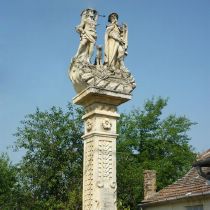
- Column of the Plague (1710)
- Statue of the Holy Trinity (1805)
More information about the village at www.egyhazasfalu.hu
Hasonló találatok
Stop point - Rábapordány
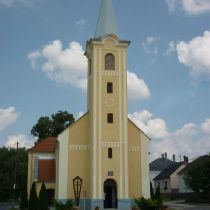
RábapordánySt Andrew's Church was built in 1867 and extended in 1912. The ceiling paintings were made by József Samodai.
More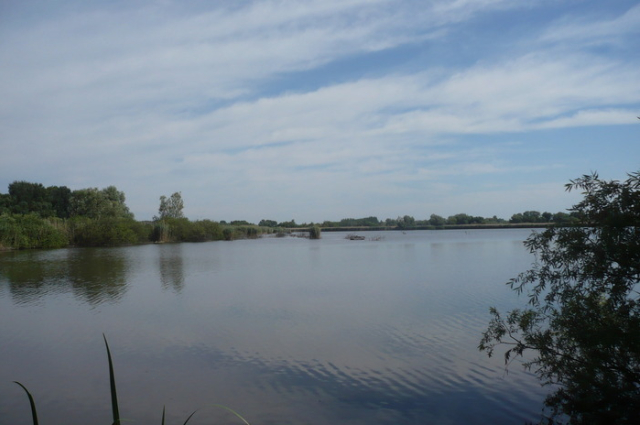
Stop point - Kóny
KónyThe village is located at the junction of the Rábaköz and the Hanság. South of the village, a special "lake area" has developed...
More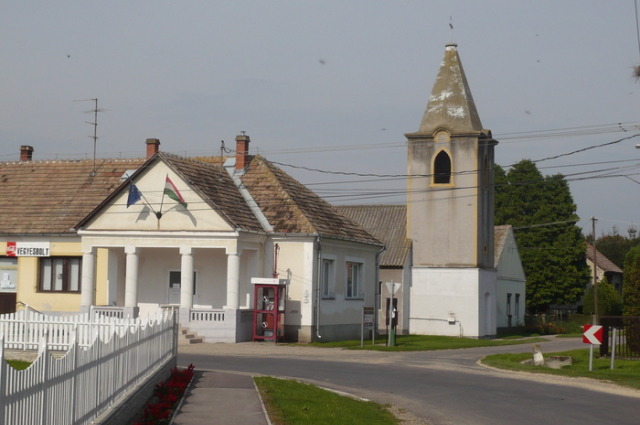
Stop point - Potyond
PotyondPotyond is a small settlement, with only 107 inhabitants in 2010. The Lutheran bell tower was built in 1872 and the Lutheran...
More
Stop point - Perenye
PerenyeArchaeological evidence shows that the village was inhabited as early as the Bronze Age. In later times the Celts and later the...
More