More 3 picture
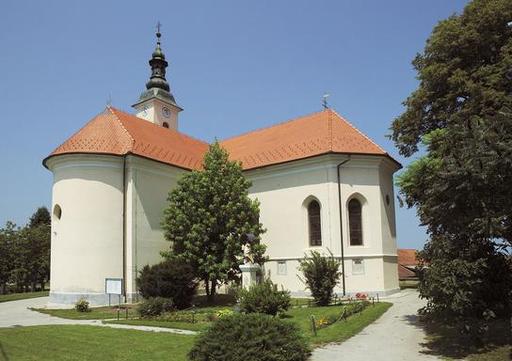
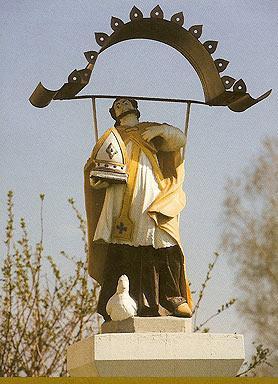
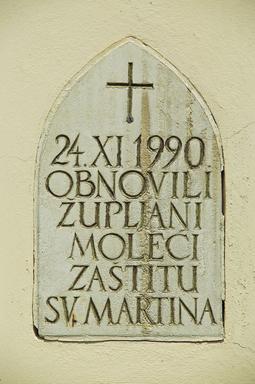
Sveti Martin na Muri (Muraszentmárton), as attested by contemporary sources, such as the "ltinerarium Antonini" compiled in the 18th century, was built on the site of the Roman Hallicanum.
The excavations carried out in 1977-78 and again in 1985, which revealed the remains of a Roman settlement covering an area of 2,5-3 km', revealed a series of archaeological finds dating from the 1st to the 4th centuries (sacrificial altar, coins, ceramics, etc.).
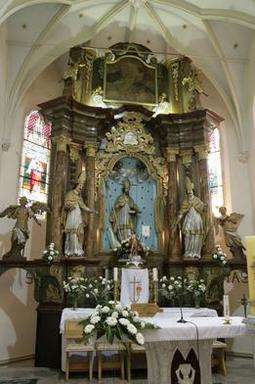
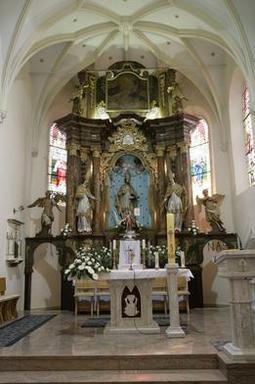
The first census of the parishes in the area was made in 1334. From these documents in the archives of the Zagreb Chapter, it can be concluded that the parish of Muraszentmárton already existed at that time. The present church of St. Martin was built in the Gothic style in the 15th century. Later, especially in the 18th century, the building was modified and extended several times.
.
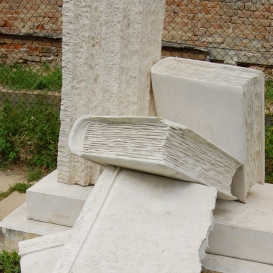
Holocaust Memorial and Synagogue
The memorial was erected in 2004 by the Karzat Cultural Centre Foundation in memory of the...
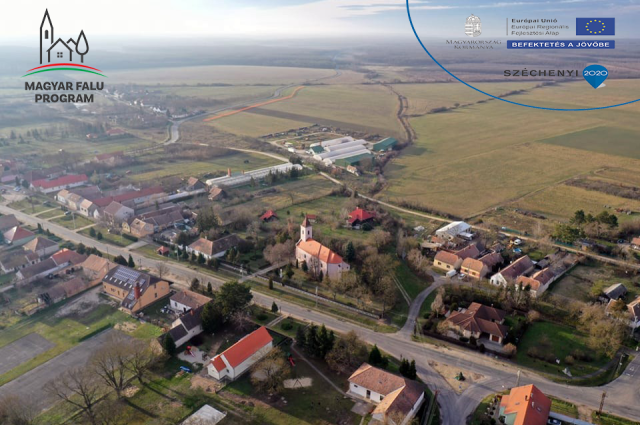
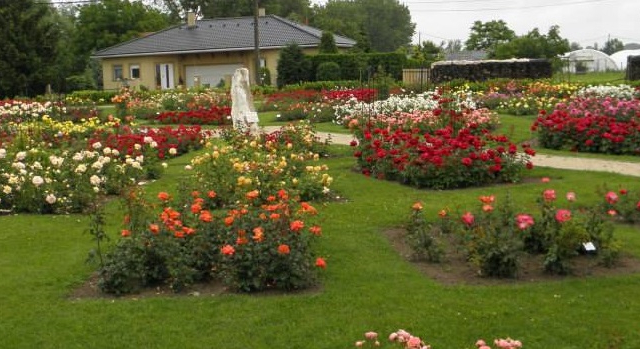
The village is a renowned place of pilgrimage. According to legend, Christian soldiers retreating from the Turks stopped to rest...
More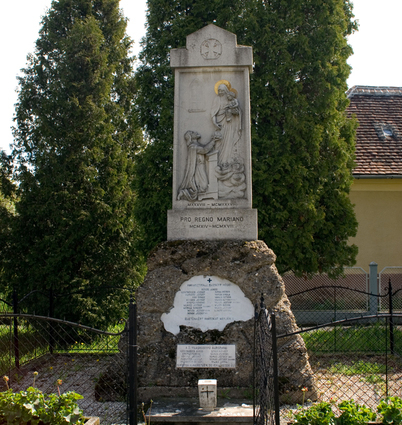
Harasztifalu was originally a settlement of Croatian nationality, settled by Péter Erdődy in the mid-1500s. The name of the...
More