Stop point - St Martin's Church, St Martin's Visitor Centre, St Martin's Cemetery
"Martin was born in a town called Sabaria in Pannonia"
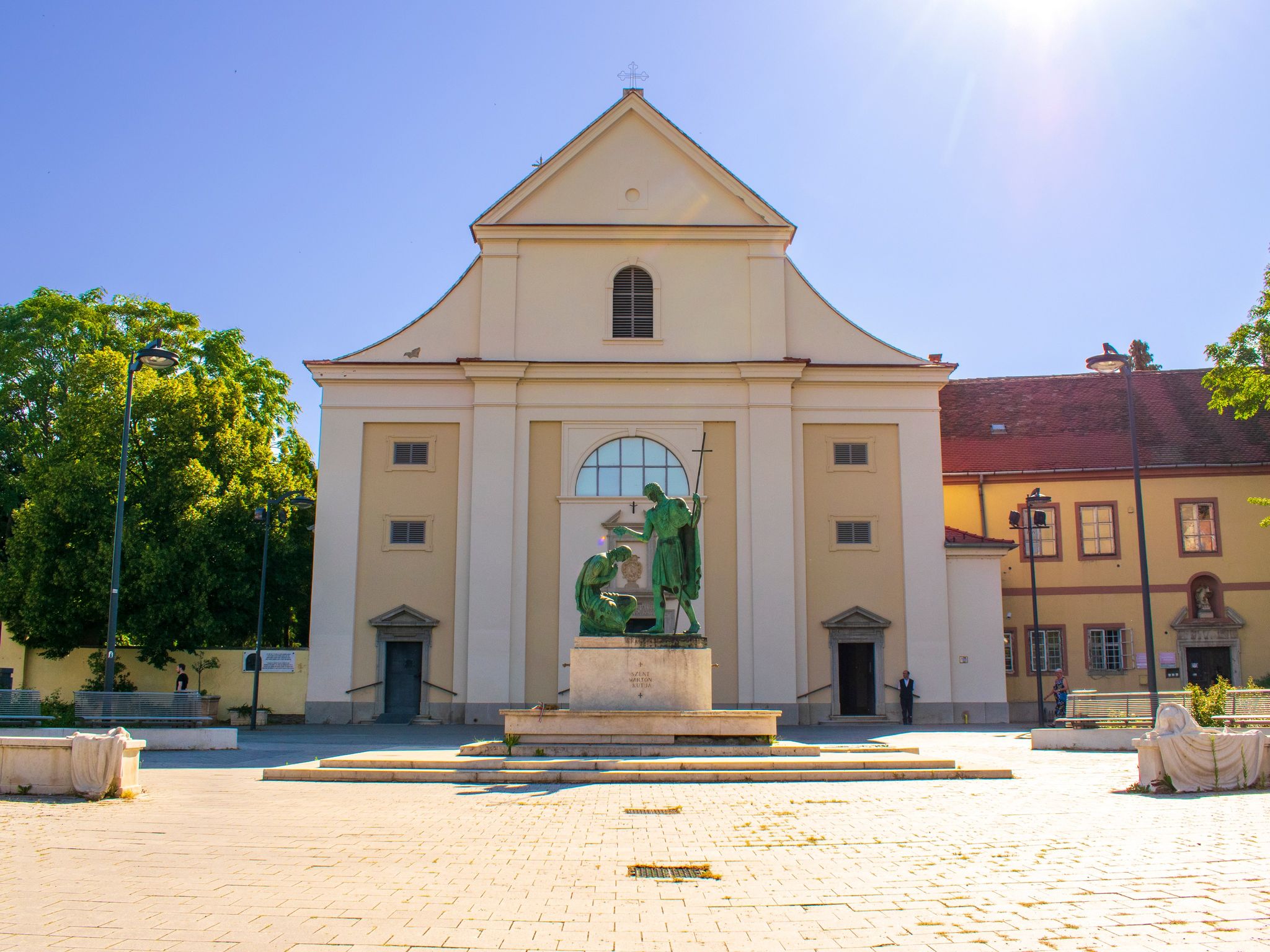
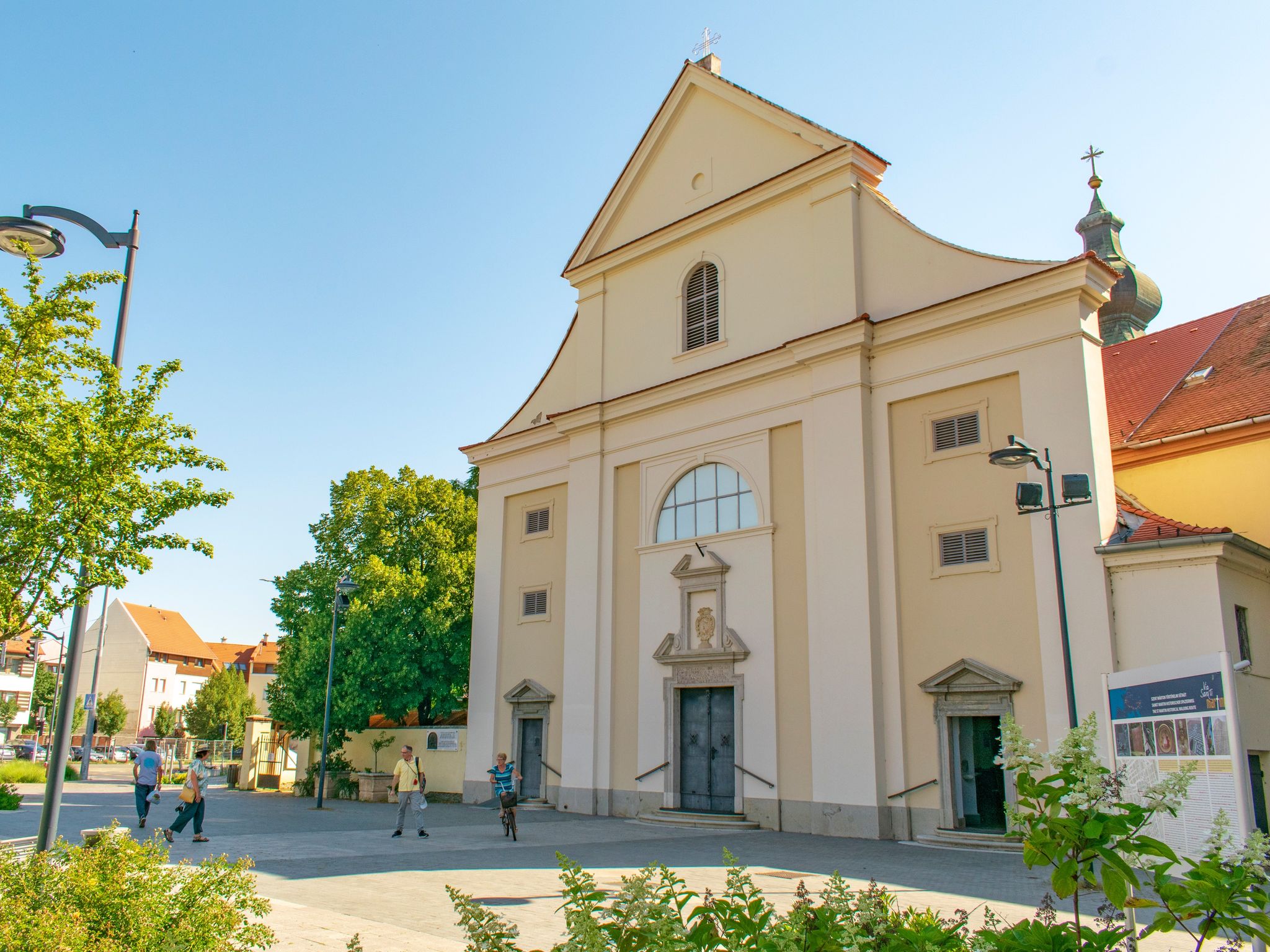
The site of the church of St Martin was already a Christian place of worship in Roman times. According to legend, the north side chapel of the church was built over the house where St. Martin was born. The inscription above the entrance to the chapel reads HIC NATUS EST S. MARTINUS - here St. Martin was born.
In the Middle Ages, the church of St. Martin was the parish church of the town. In 1638 the church was given to the Dominicans by Bishop György Draskovich of Győr, and remained in their possession until 1950. The church underwent a major extension between 1668 and 1674. The Dominican monastery was also built at this time, and the St. Martin Visitor Centre is located on the ground floor.
The visitor centre's exhibitions are.
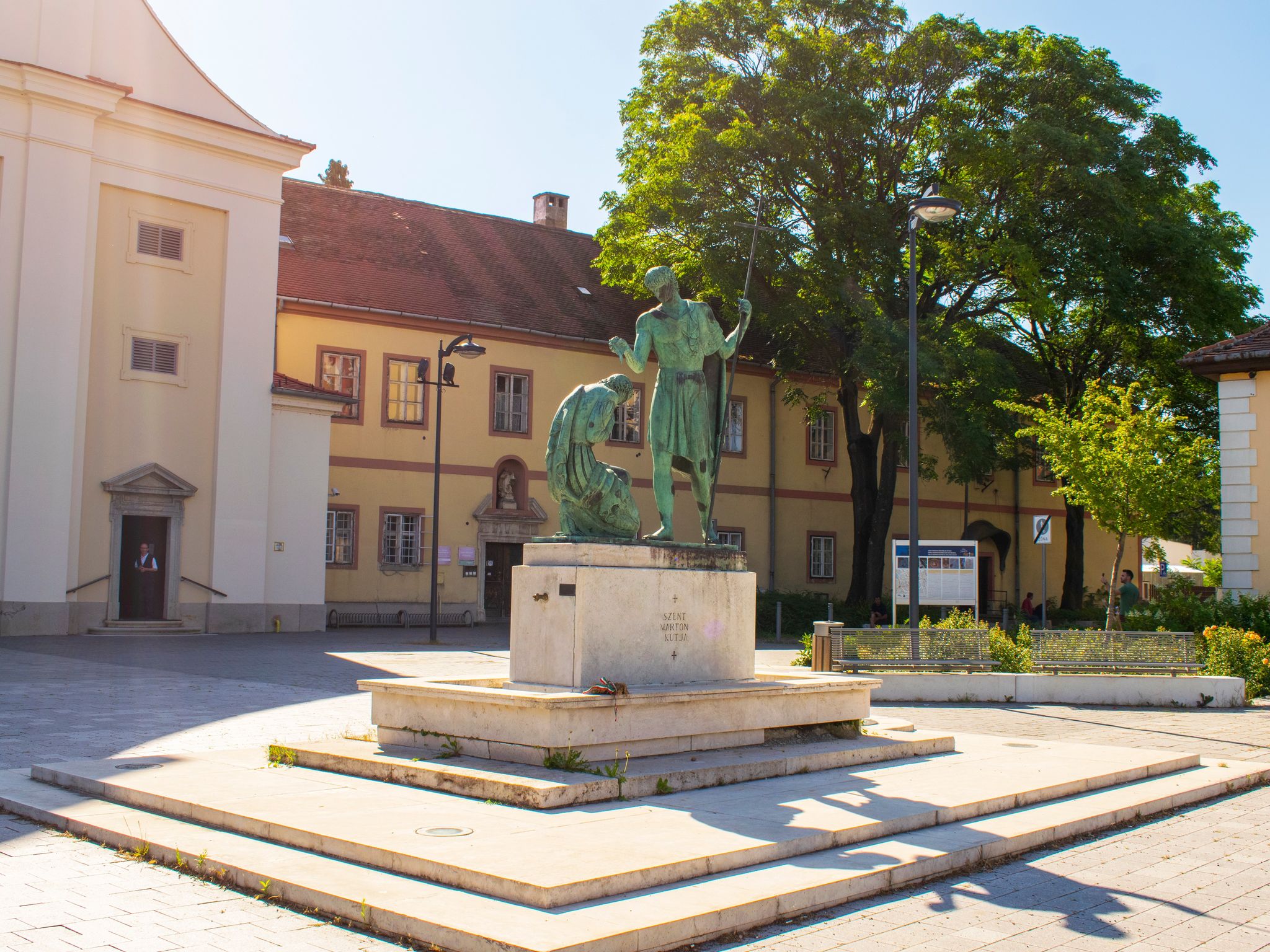
The St. Martin's well in front of the church is mentioned in a document as early as 1360. The statue of St. Martin baptising his mother, erected in 1938, is the work of István Rumi Rajki.
St. Martin's cemetery is the oldest cemetery in Hungary, used for nearly two thousand years. In Roman times it was the burial place of the city's early Christian community. It may have been the first resting place of St Quirinus, and it is also the burial place of others who were martyred for their faith in the early Christian era.
Hasonló találatok
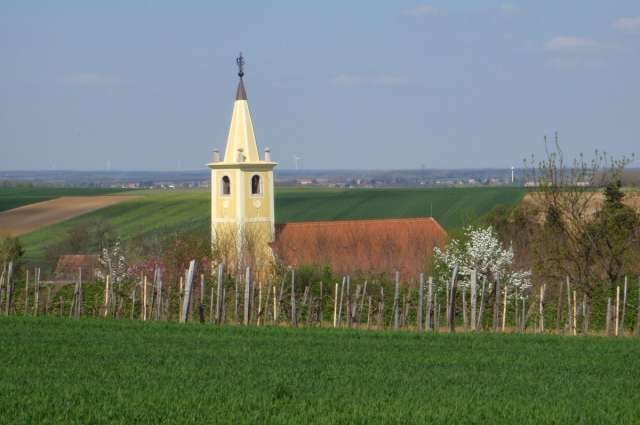
Stop point - Peresznye
PeresznyeThe settlement, currently 36% Croatian, is mentioned in documents from around 1195. It was a manor of the Abbey of Borsmonostor...
More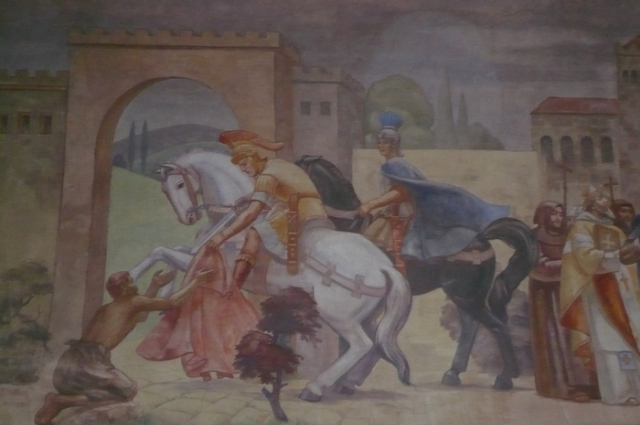
Stop point -Bogyoszló
BogyoszlóIt is a settlement in the Rába region famous for its woodcarvers. The Roman Catholic church of Bogyoszló, dedicated to Saints...
More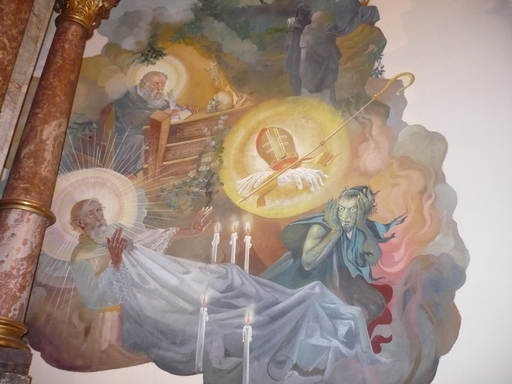
Stop point - Und
UndThe name of the settlement is probably a personal name, as one of our squatting leaders was called Ond. In the 16th century, the...
More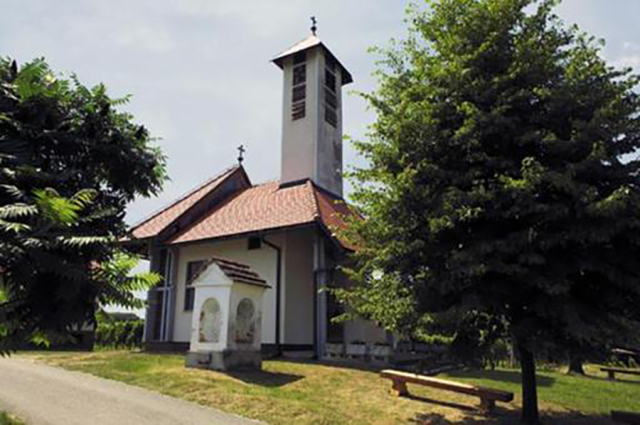
Stop point - Kobilje - Kebeleszentmárton
KobiljeThe Kebele stream was first mentioned in 1208 as Kobula in a document.
More