
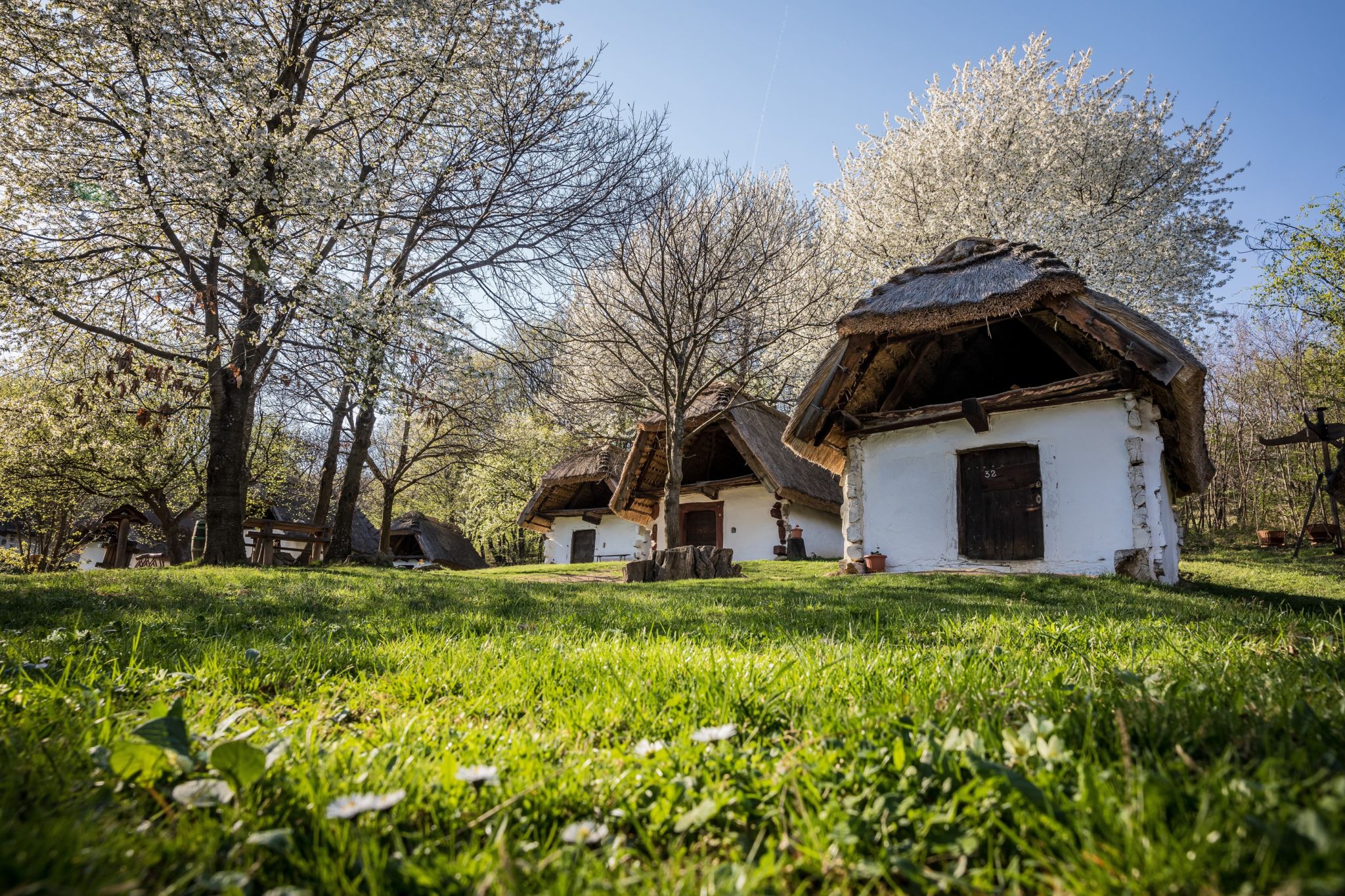
Places of interest- Cák - Pincesor-Szabadtéri Ethnographic Museum
For ecotourism lovers, the protected cellars of the Open-Air Ethnographic Museum on the outskirts of the village of Cák are an interesting attraction. The 8 cellars, which are protected as monuments, evoke the atmosphere of the 18th and 19th centuries.
Around them, a few 100-year-old chestnut trees remind them of the chestnut groves that once flourished. With their girders, pine-roofed, projecting roofs, these hipped-roofed buildings were not used to store wine, but mainly chestnuts and fruit. Most of the wine cellars, built in the early part of the last century, are single-cell, earth-roofed, thatched, pitched, or hipped-roofed. They are hipped at the front, with open gables and hipped at the back. Some cellars are equipped with a vineyard - wine-making tools, including side-screw, stone crusher and centre-screw grape presses.
Source of text and image: https://koszeg.hu/hu/aktiv/okoturizmus/caki-pincesor-szabadteri-neprajzi-muzeum-11610.html; https://szallas.hu/programok/caki-pincesor-szabadteri-neprajzi-muzeum-cak-p1130#image-1
Hasonló találatok
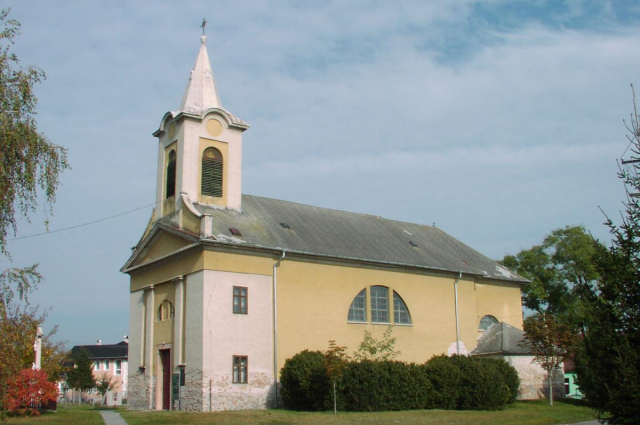
Point of interest- Dunaszentpál - Church of St Peter and Paul
Dunaszentpál - Szent Péter és Pál-templomThe former church of the village was built by the Héderváry family, then György Széchényi, Archbishop of Esztergom, had it...
More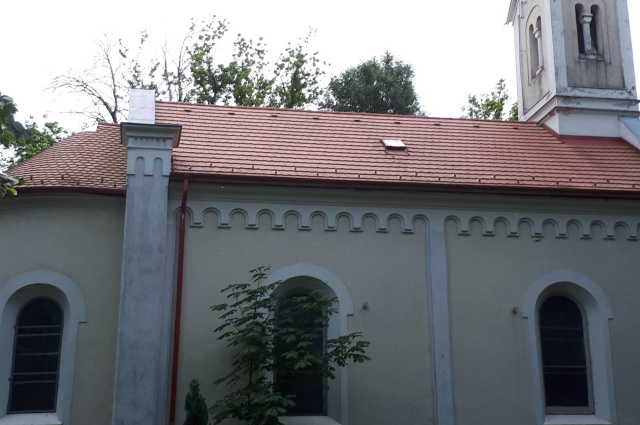
Point of interest - Máriakálnok - Chapel of the Blessed Virgin Mary
Máriakálnok - Sarlós Boldogasszony-kápolnaAccording to one of the legends of the chapel's history, wounded soldiers and other sick people were cured by the water of the...
More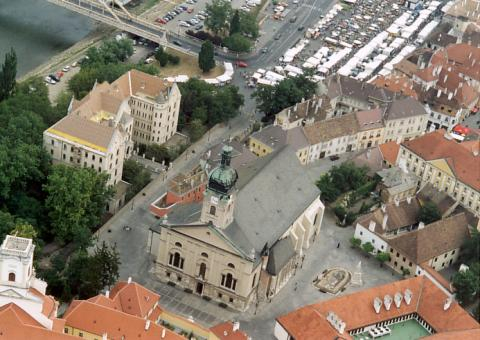
Point of interest- Győr - Cathedral of the Assumed into Heaven Blessed Virgin Mary (Basilica)
Győr - Mennyekbe Felvett Boldogságos Szűz Mária székesegyház (Bazilika)A győri Mennyekbe Fölvett Boldogságos Szűz Mária székesegyház a Győri egyházmegye főtemploma. A város legősibb részén, a Rába és...
MorePoint of interest - Horvátzsidány - Chapel of Mary Péruska
Horvátzsidány - Péruska Mária KápolnaMary of Peruška is a popular place for hikers and pilgrims. In 1994, a small chapel was built near the oak tree in honour of St....
More