
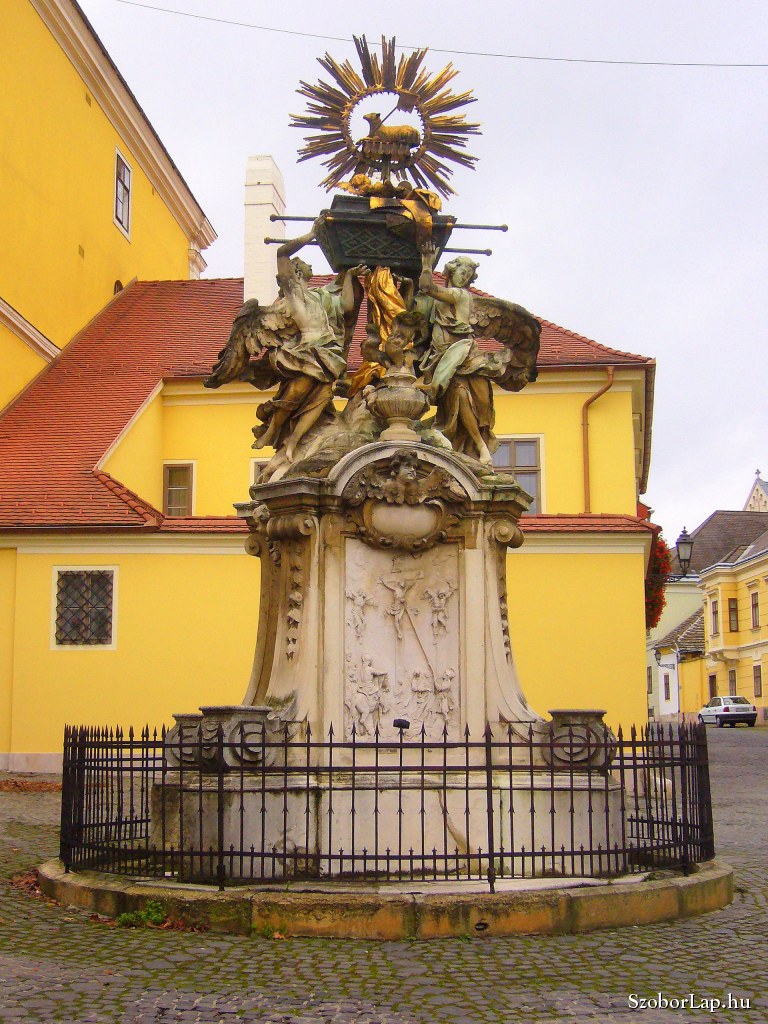
Point of interset - Győr - Ark of the Covenant statue
Once upon a time, in the first half of the 18th century, there lived a soldier called György Weingasser, who was accused of adultery and bigamy. The servants of the law persecuted him, and he fled to the Jesuits of Győr, which is now the Benedictine monastery in the main square of Győr.
The castle commander, of course, soon found out where the soldier was hiding, and demanded that the Jesuit rector hand over the fugitive, but he refused to obey.
The military then placed the entire building under quarantine, which meant that the Jesuits had no food or drink. The Bishop of Győr, Philip Sinzendorf, decided to take Weingasser under his protection. He planned to do so on the upcoming Lord's Day during a procession, where he could get the fugitive out of the monastery without attracting attention and take him to the cathedral.
They also dressed the soldier in an altar boy's uniform, and he was thus incorporated into the procession. But to no avail, when the crowd reached the Danube Gate, the guards there recognised Weingasser in hiding and attacked him. The big scuffle ended with the monstrance in which the altar sacrament was being carried being accidentally knocked out of the bishop's hands and smashed to pieces.
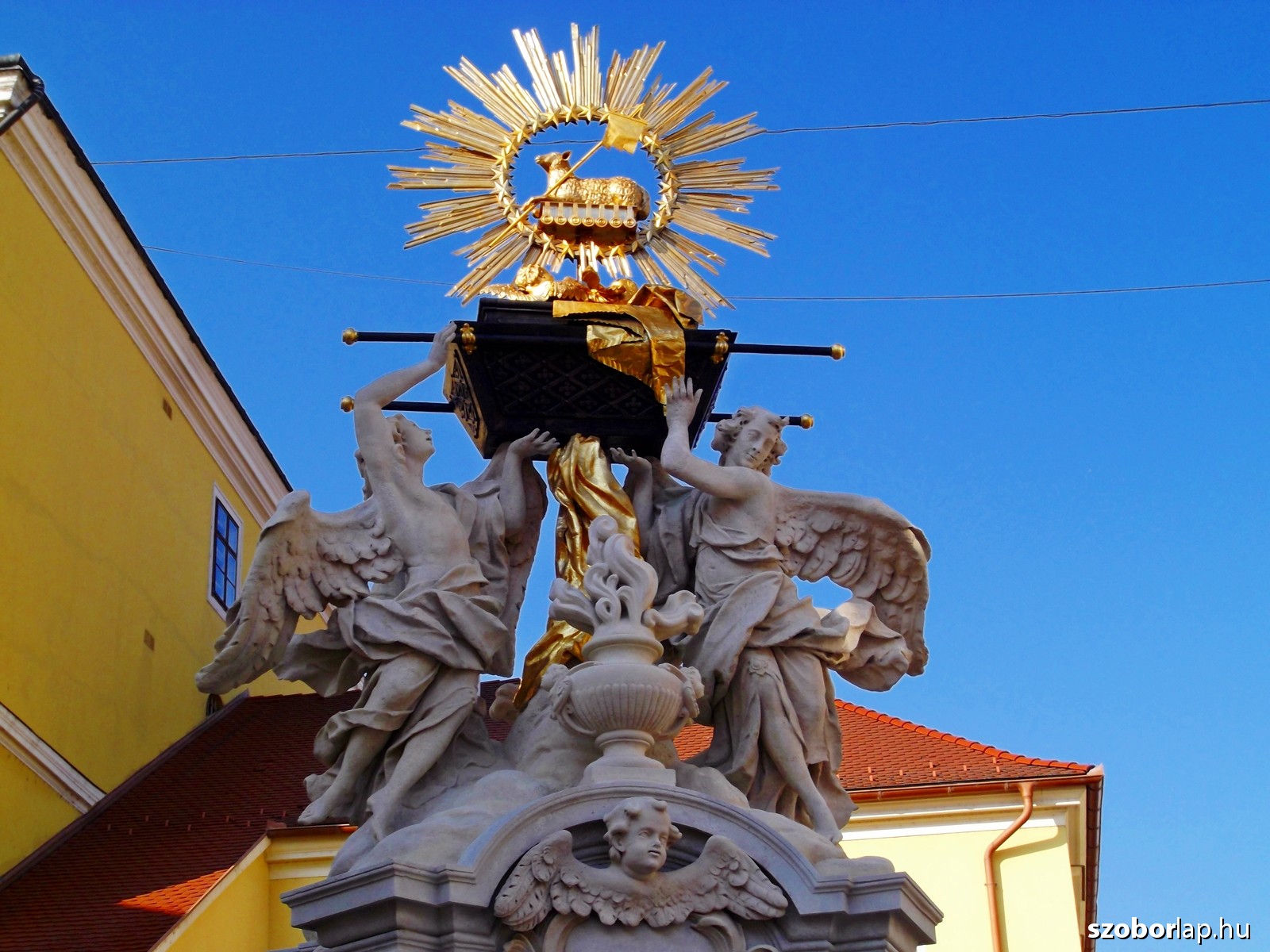
A literal sacrilege was thus committed, and such was the scandal that the German-Roman Emperor Charles VI (i.e. King Charles III of Hungary) immediately ordered a monument to be erected depicting the Ark of the Covenant, since on the Lord's Day we celebrate the body and blood of Christ, and the Ark of the Covenant was usually depicted. The costs of the statue were covered from the rations of the mercenary soldiers of Győr. The Baroque statue is located on the pedestal in Gutenberg Square. On the Ark of the Covenant sits the Lamb of God, the Agnus Dei, in a blaze of glory. According to legend, the broken pieces of the monstrance were placed in the sealed box, which was carefully sealed and guarded by angels. The statue was designed in 1731 by Joseph Emanuel Fischer von Erlach and sculpted by Antonio Corradini.
Source of text and images: https://www.iec2020.hu/hu/hirek-sajto/gyori-frigylada-szobor-legendaja; https://www.kozterkep.hu/5385/frigylada-szobor#vetito=22023
Hasonló találatok
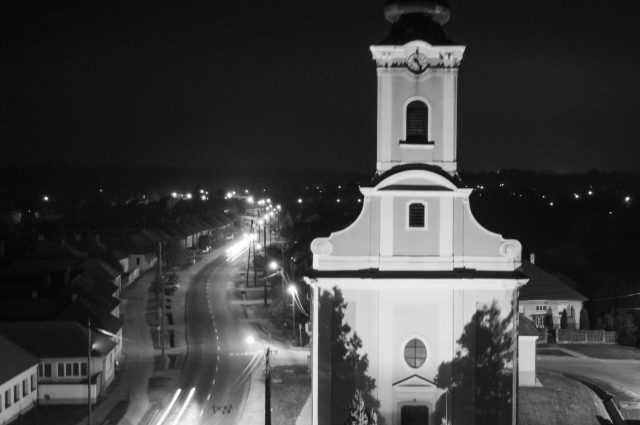
Point of interest -Halászi- Church of St. Martin
Halászi - Szent Márton templomThe late Baroque church dedicated to Saint Martin was built in 1777 by Archduchess Maria Cristina.
More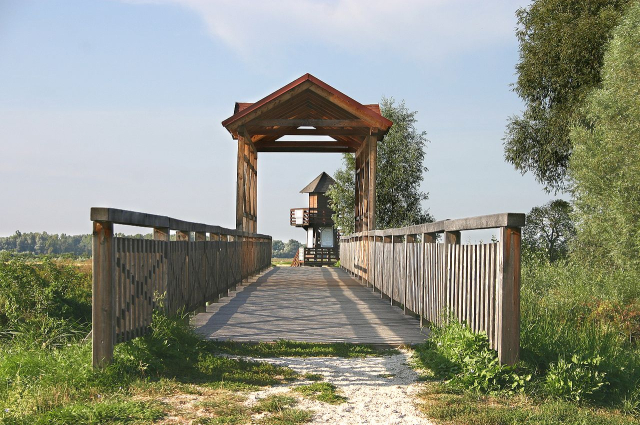
Point of interest- Mosontarcsa - Andau Bridge
Mosontarcsa - Andaui hídThe Mosontarcsa Bridge (also known as the Andau Bridge, after the German name of the village) is an old wooden bridge on the...
More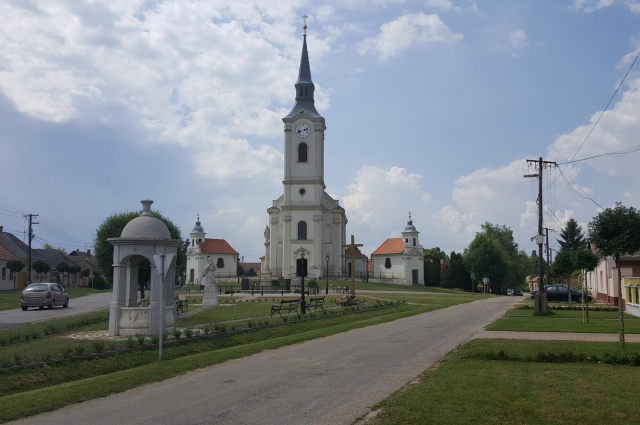
Point of interest- Mosonszentmiklós - Church of St. Nicholas
Mosonszentmiklós - Szent Miklós-templomThe church and its two chapels are like a mother with her two children. The Chapel of the Holy Cross was built in the 16th...
More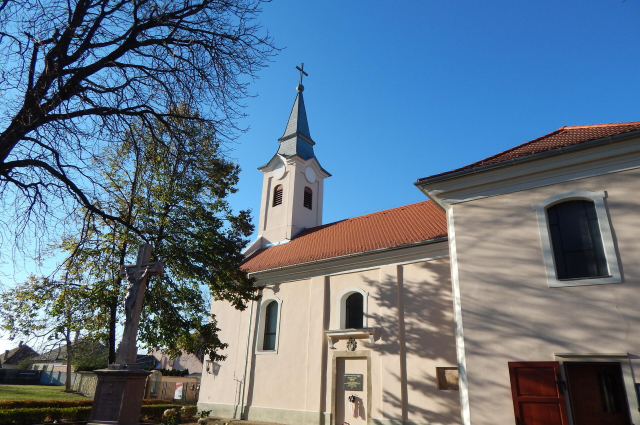
Point of interest - Öttevény - Church of St John the Baptist
Öttevény - Keresztelő Szent János-templomThe church was built in 1789 in Baroque style. At that time, the dean of the village was Count Károly Khun-Héderváry. The fact...
More