
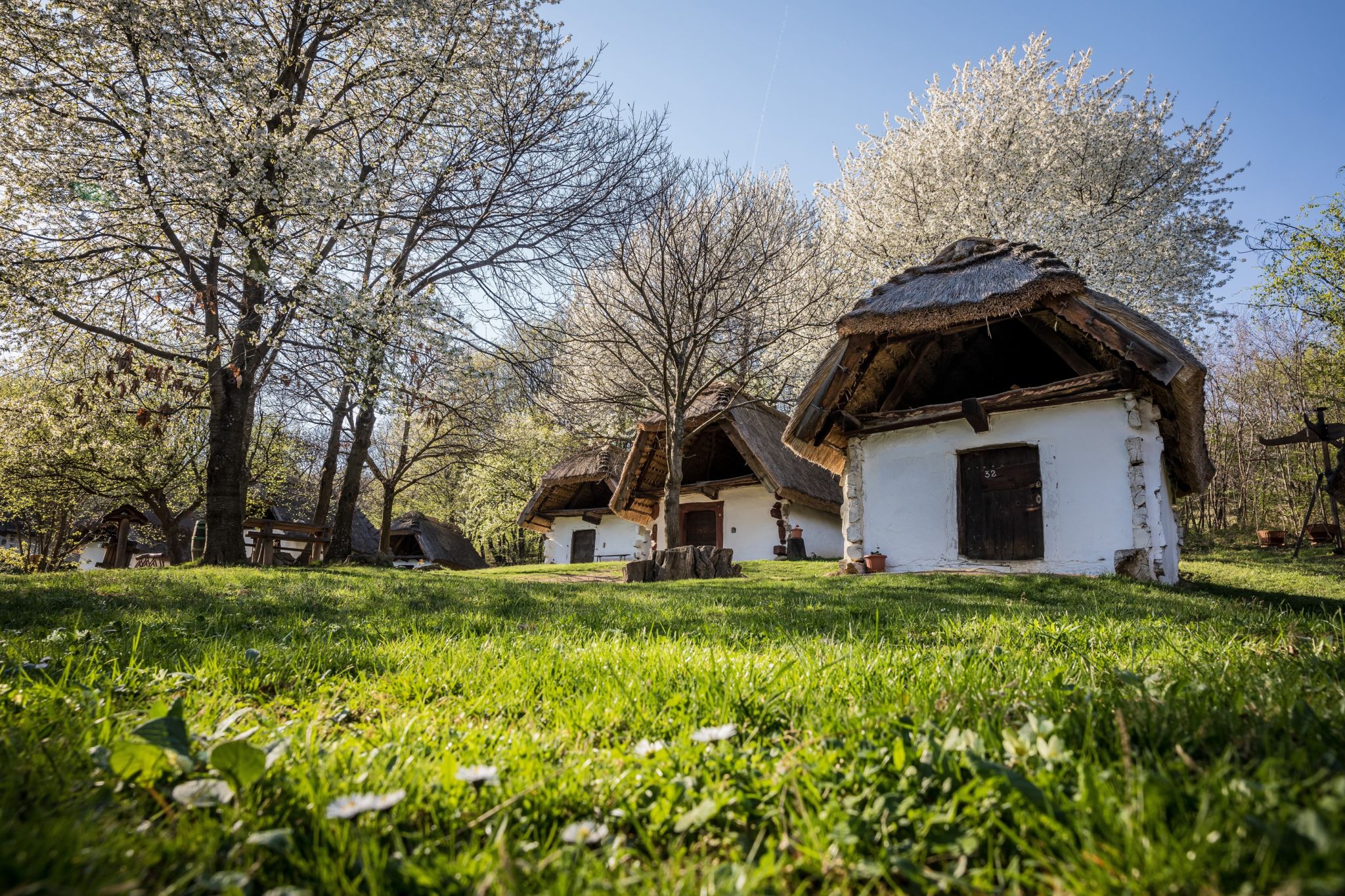
Places of interest- Cák - Pincesor-Szabadtéri Ethnographic Museum
For ecotourism lovers, the protected cellars of the Open-Air Ethnographic Museum on the outskirts of the village of Cák are an interesting attraction. The 8 cellars, which are protected as monuments, evoke the atmosphere of the 18th and 19th centuries.
Around them, a few 100-year-old chestnut trees remind them of the chestnut groves that once flourished. With their girders, pine-roofed, projecting roofs, these hipped-roofed buildings were not used to store wine, but mainly chestnuts and fruit. Most of the wine cellars, built in the early part of the last century, are single-cell, earth-roofed, thatched, pitched, or hipped-roofed. They are hipped at the front, with open gables and hipped at the back. Some cellars are equipped with a vineyard - wine-making tools, including side-screw, stone crusher and centre-screw grape presses.
Source of text and image: https://koszeg.hu/hu/aktiv/okoturizmus/caki-pincesor-szabadteri-neprajzi-muzeum-11610.html; https://szallas.hu/programok/caki-pincesor-szabadteri-neprajzi-muzeum-cak-p1130#image-1
Hasonló találatok
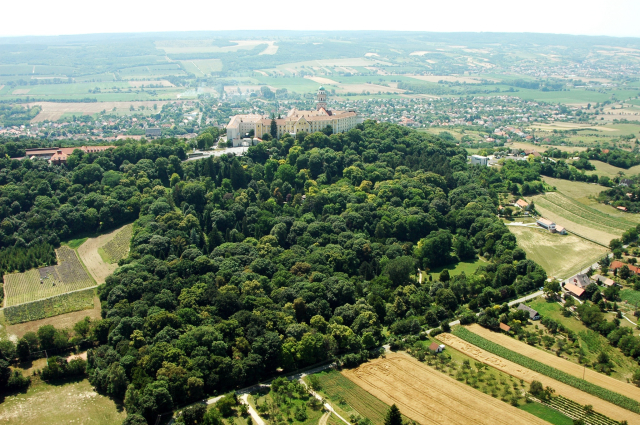
Point of interest - Pannonhalma - Arboretum Nature Reserve
Pannonhalma - Arborétum Természetvédelmi TerületThe abbey's 22-hectare garden has been an integral part of the Benedictine monks' daily life since the monastery was founded in...
MorePoint of interest - Fertőrákos - Church of the Ascension of Our Lord
Fertőrákos - Urunk mennybemenetele templomUsing the tower of the medieval church, the Baroque church of the 17th and 18th centuries was built with the support of Bishop...
More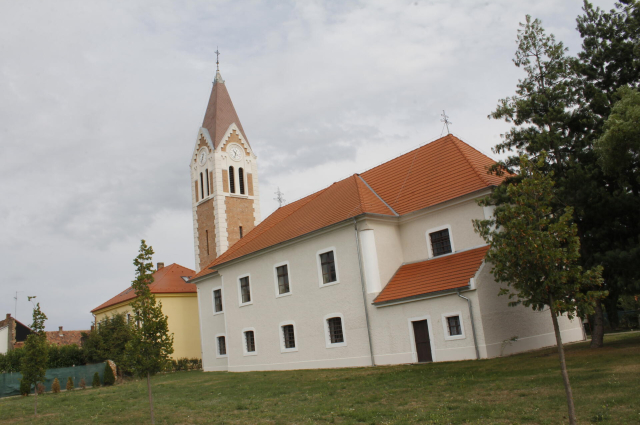
Attraction - Rajka - Lutheran church
Rajka - Evangélikus templomThere was an Evangelical church in Rajka as early as the 17th century, but it was destroyed during the Turkish attack on Vienna....
More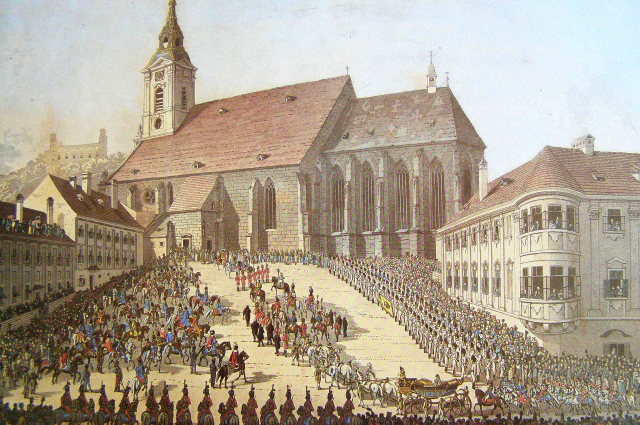
Point of interest - Bratislava - Saint Martin's Cathedral
Pozsony - Szent Márton DómSt Martin's Cathedral is one of the dominant buildings in the city, and has been the scene of cultural, religious and social...
More