Stop point - Rajka St. Martin chruch
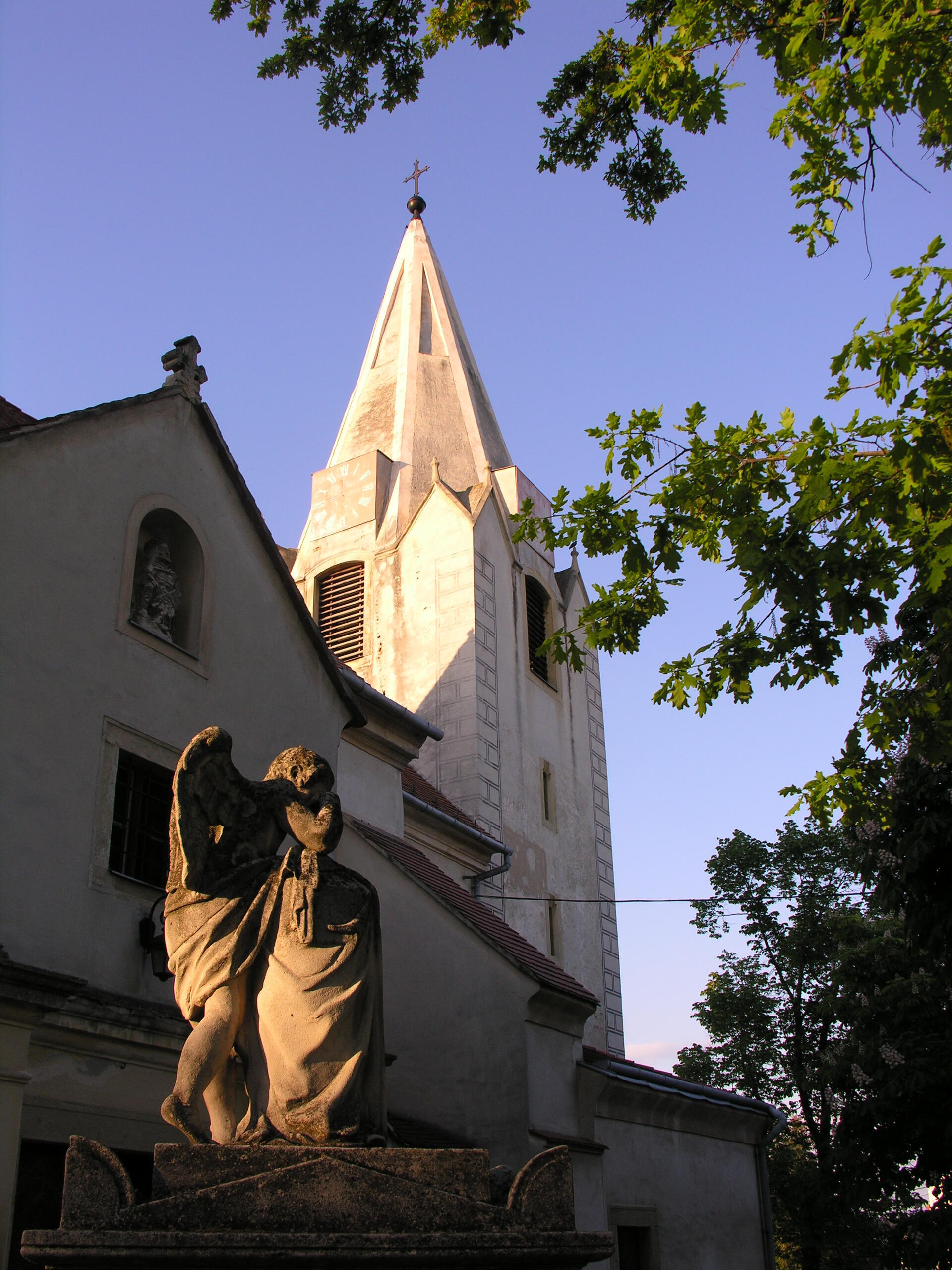
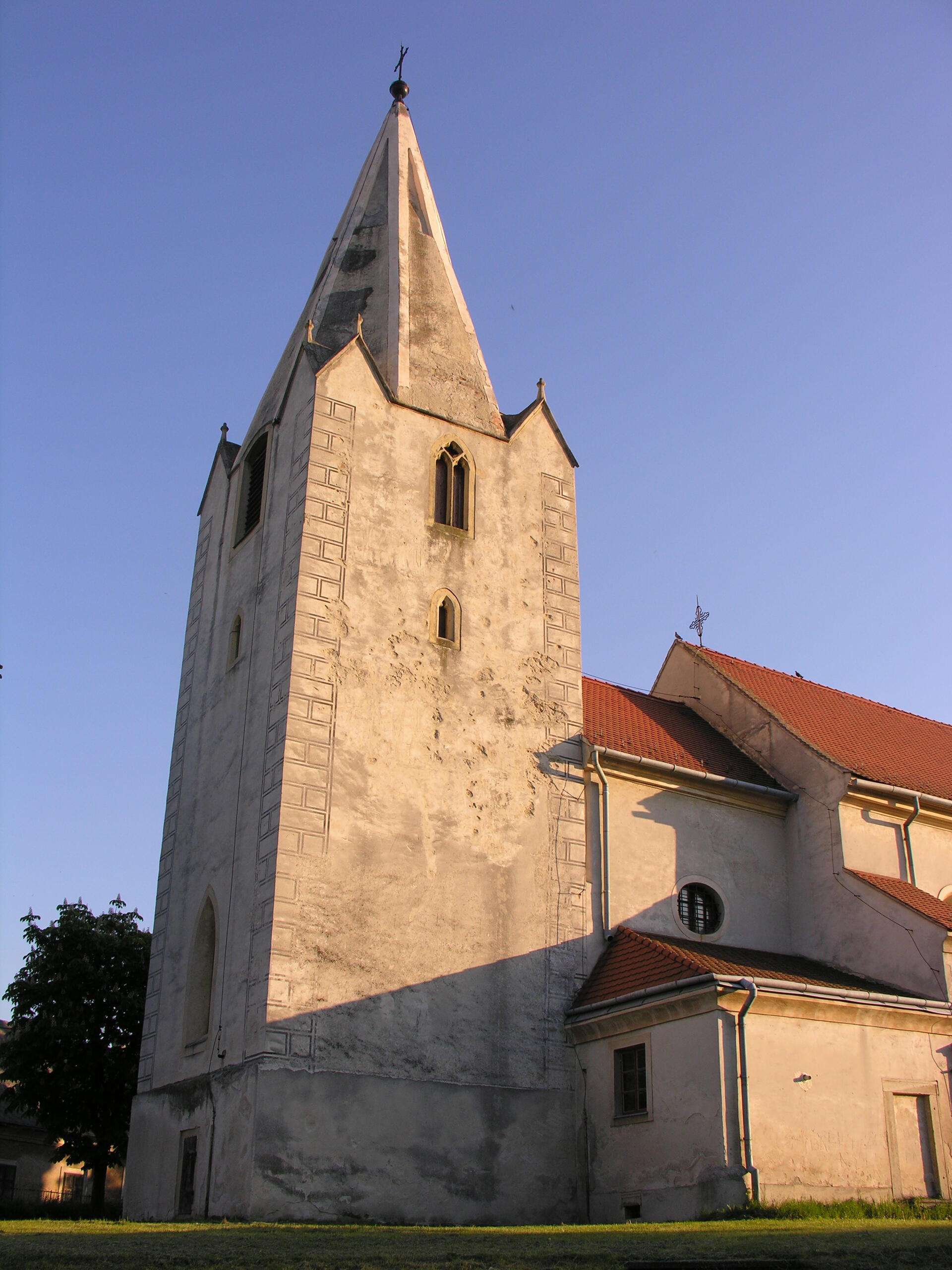
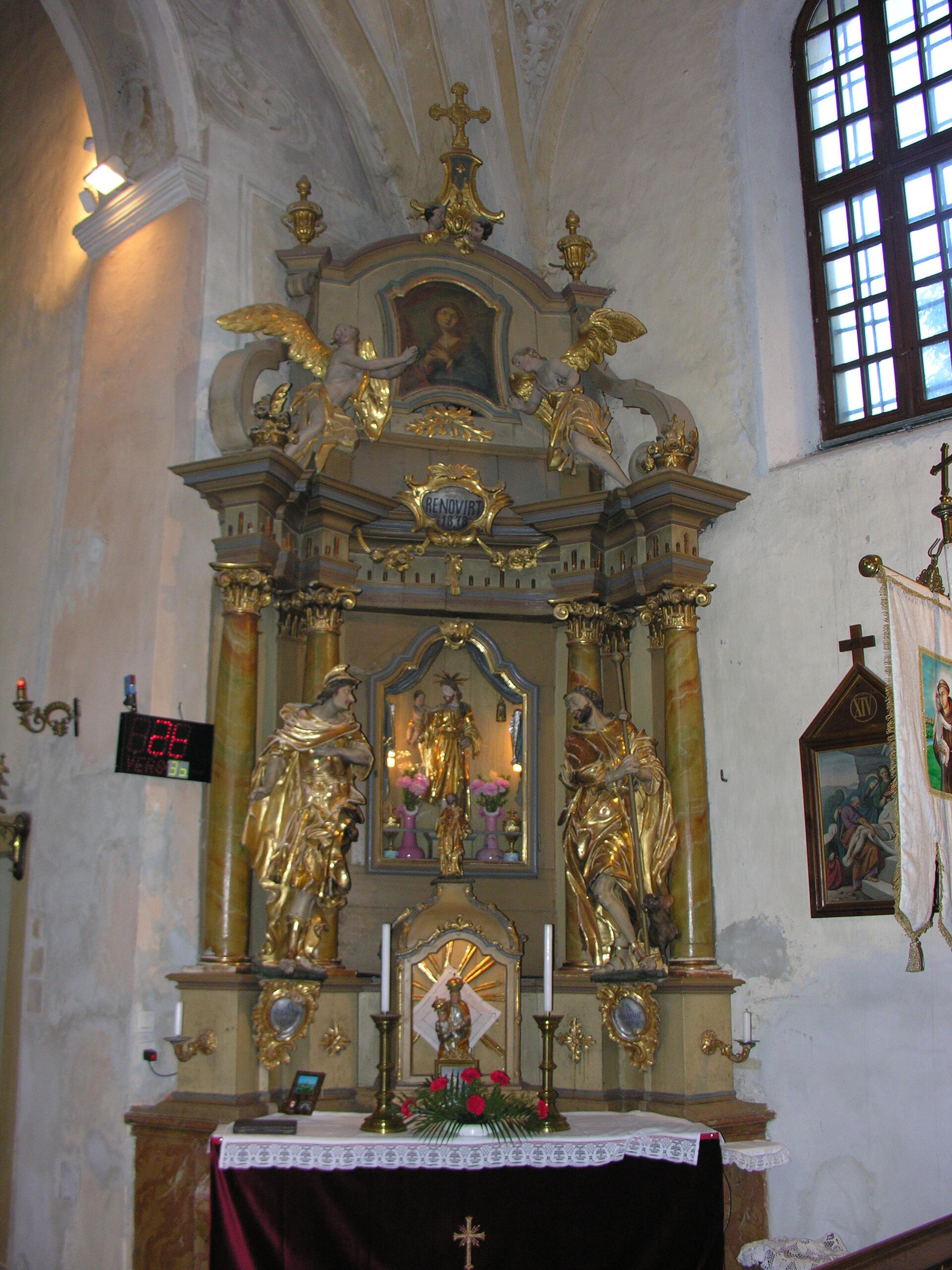
In Roman times, a limes defending the empire was located along the Danube. One of its watchtowers (at Rajka) was converted into a chapel in the early 14th century. The squat tower and the pointed-arched masonry windows, which still stand today, are fine examples of Romanesque and Gothic styles. After the Ottoman period, the Baroque nave was added to this tower-chapel. In one of the niches of the entrance façade there is a statue of Saint Martin. Wealthy German noble families were once buried in the crypt below the church, but two old gravestones can be seen embedded in the outer wall. The medieval statue of Christ with a toothache was found nearby and placed in the niche above the side entrance. The churchyard contains an 18th century calvary and a World War memorial with a statue of an angel. Inside, the church is rich in statues and wall paintings. The main altar has a statue of St. Martin and a statue of St. Florian and St. Catherine holding the dragon on an iron chain. A bilingual plaque recalls that in 1939 Polish soldiers found solace and prayed for their country in this church. Another marble plaque lists Franz Liszt's ancestors in Rijeka and quotes the composer's saying: 'There is one doctor: Christ - and one medicine: eternal life'.
Hasonló találatok
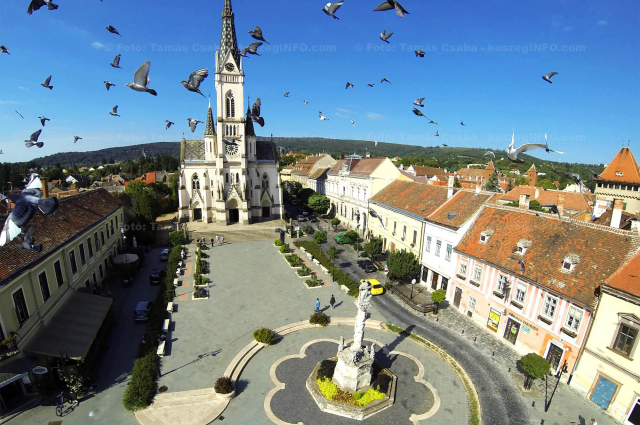
Stop point - Kőszeg
Kőszeg
A small historical town with a rich history, near the Hungarian-Austrian border.
The medieval town core is protected as a...
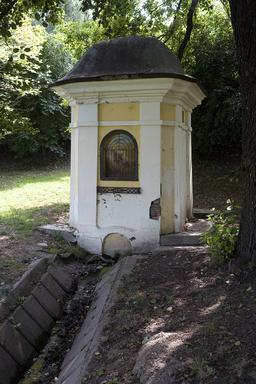
Stop point - Ravazd
RavazdRavazd had two churches in the Middle Ages. The church, dedicated to St Villebald, a Benedictine archpriest from the 7th...
More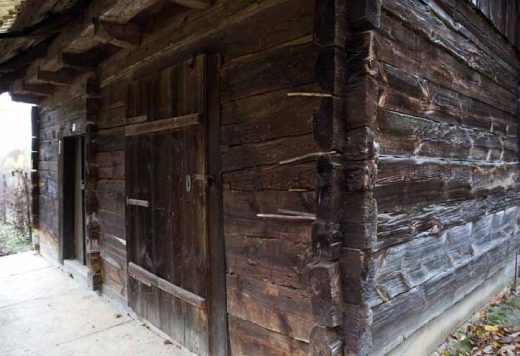
Stop point- Berki - hill
Berki-hegy
Distances to the next stops on the St Martin's walking trail:
Mount Berki - Szomoróc 6 km - Domanjševci 8 km
Mount Berki -...
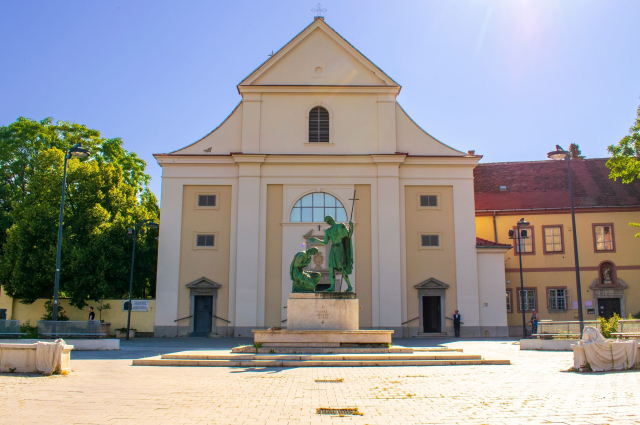
Stop point - St Martin's Church, St Martin's Visitor Centre, St Martin's Cemetery
Szent Márton templom, Szent Márton Látogatóközpont, Szent Márton temető
"Martin was born in a town called Sabaria in Pannonia"
The site of the church of St Martin was already a Christian place of...