
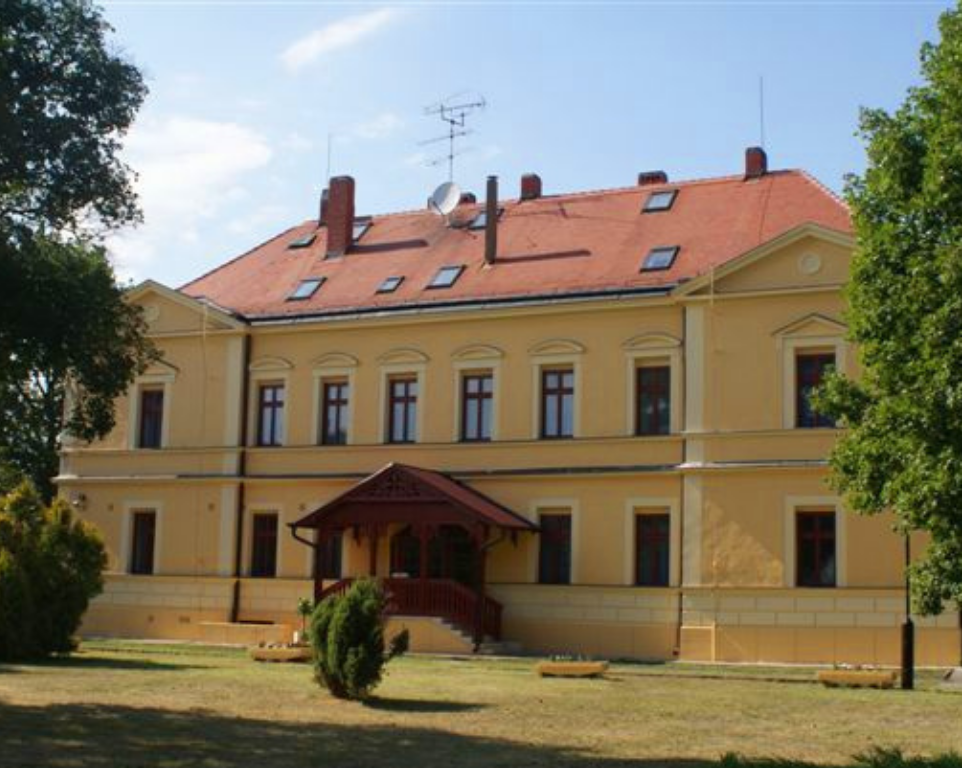
Stop point - Pusztacsalád
The statue of St. Stephen at the intersection of Fő Street and Petőfi Street was erected by Odön Széchenyi in 1860 in memory of his father, István Széchenyi. György Höller Höller, who made the statue, immortalised Széchenyi's features on the figure of St Stephen.
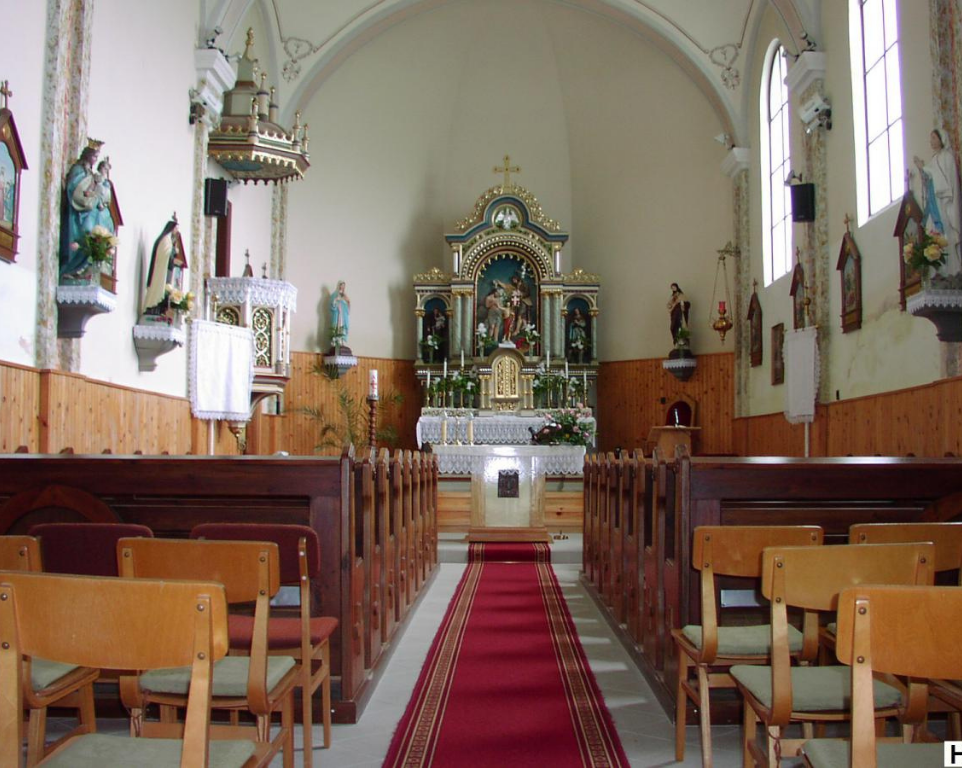
The castle in the centre of the village was built in 1890 by Richárd Heller. The Roman Catholic Church of St John the Baptist was built in the 18th century.
The first known documentary mention of the town dates back to 1257, under the name CALHA. In 1461 it is mentioned as the Puszta family. At the beginning of the Middle Ages, it was owned by the Nagymartons. In a typical serf settlement, in 1518 there were 35 inhabited and 24 empty serf plots in Pusztacsalád and the adjoining Szolgagyőrpusztán. In the 17th century, it became the property of the Nádasdy family, who pledged it first to Sándor Siczay, a widow, and then to István Sárkány. In the 18th century, the Festetics become the largest owners. In 1858, István Széchenyi's wife bought it from the Festetics family for her son Ödön.
Further information and source: https://www.pusztacsalad.hu/
Hasonló találatok
Megállópont - Mihályi
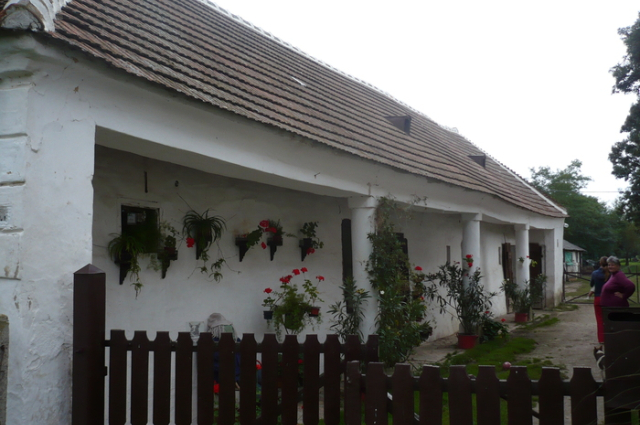
Megállópont - MihályiMihályi has been a settlement for more than 8 centuries. According to a legend, in 1440 Elizabeth of Luxembourg (the widow of...
MoreStop point- Zalaszentmárton
Zalaszentmárton.The village is named after Saint Martin, the patron saint of its medieval church. The first mention of the village of...
More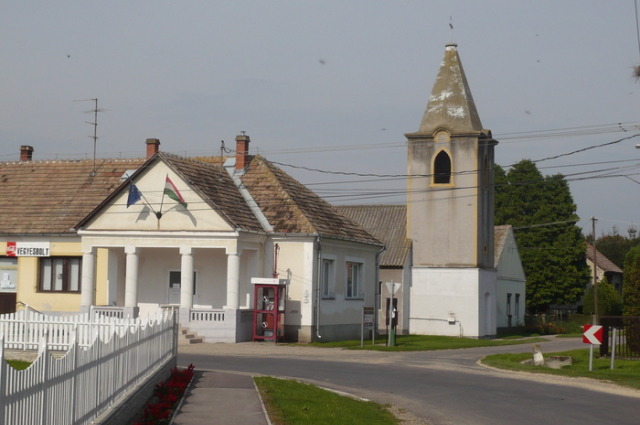
Stop point - Potyond
PotyondPotyond is a small settlement, with only 107 inhabitants in 2010. The Lutheran bell tower was built in 1872 and the Lutheran...
MoreStop point - Károlyháza
KárolyházaKárolyháza is a young settlement of Győr - Moson - Sopron county. The former manorial estate named after Archduke Charles...
More