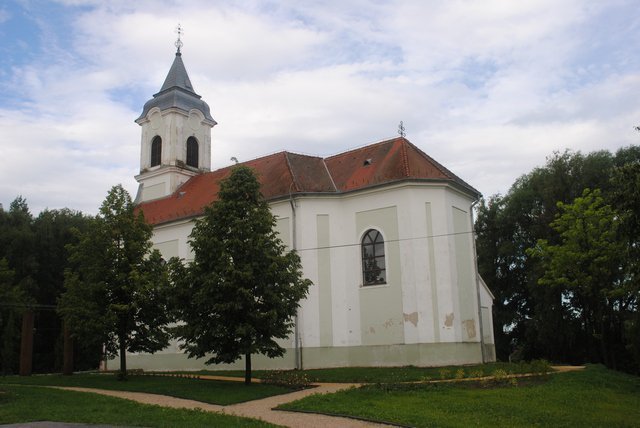
More 2 picture
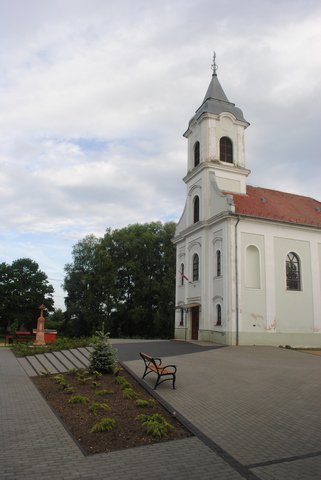
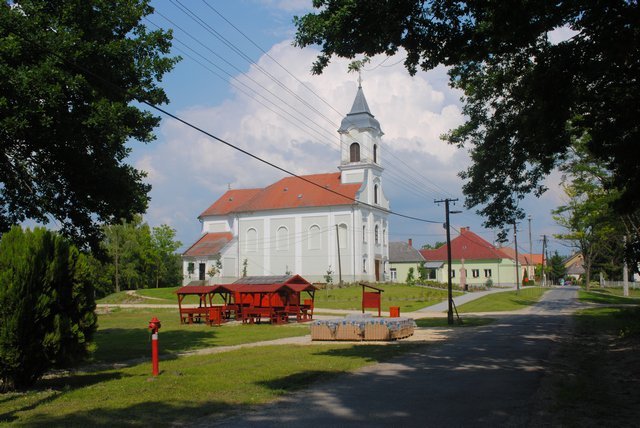
The first mention of the elders is found in a charter of Saint László in 1093. The village along the Danube belongs ecclesiastically to Pannonhalma. For centuries, it was the source of fish supplies for the archabbey. The former church was built in 1733 and stood next to the cemetery. It was demolished at the end of the 19th century. The present church was consecrated in 1906.
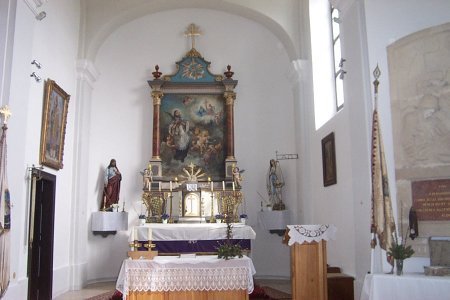
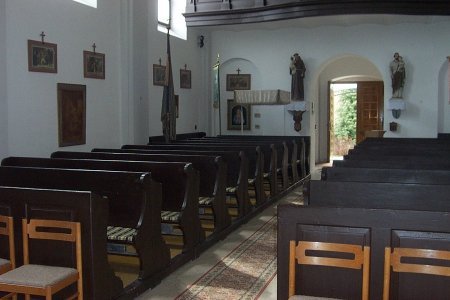
Its altarpiece, depicting the martyr Saint John Nepomuk in the company of angels, was painted by László Patay. The altarpiece of the old church can also be seen on the wall. The organ is a protected monument. The former parish building and school next to the church is now owned by the municipality. Among the sacral traditions of the village are the consecration of the house, the farewell of the church and the procession of the Lord's Day, as well as the pilgrimage on foot to the shrine of the Tearing Virgin of Győr on the embankment of the Moson-Danube in March every year. The village is the birthplace of the illustrious Jesuit press abbot Béla Bangha, marked by a memorial plaque. A statue of St John Nepomuk greets those arriving and departing from the village on the outskirts of the village.
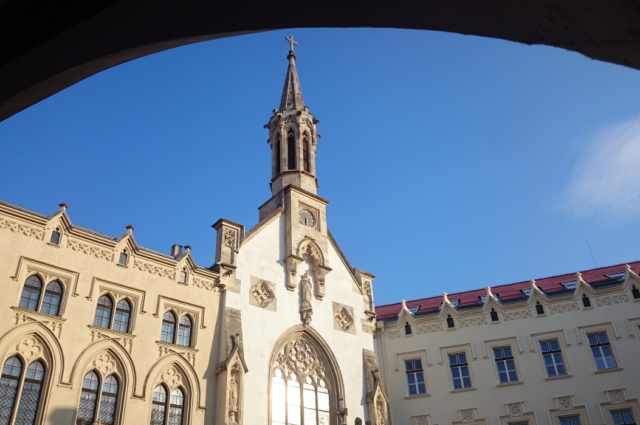
The convent of the Order of St. Orsolya in Sopron was founded in 1746 by the Viennese woman Mária Niggl.
More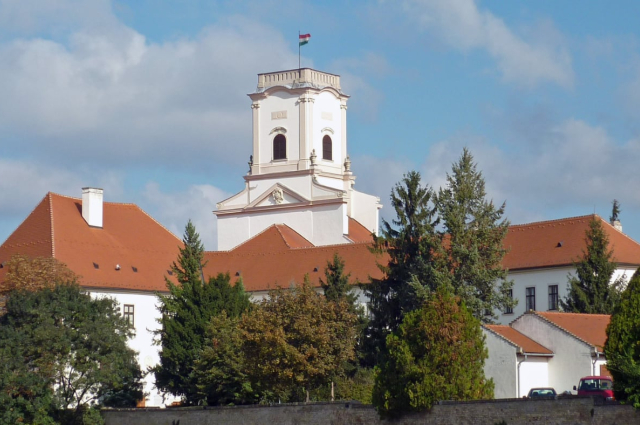
The Bishop's Castle and its complex of buildings, founded by King Stephen I, are located in the heart of Győr, on the...
More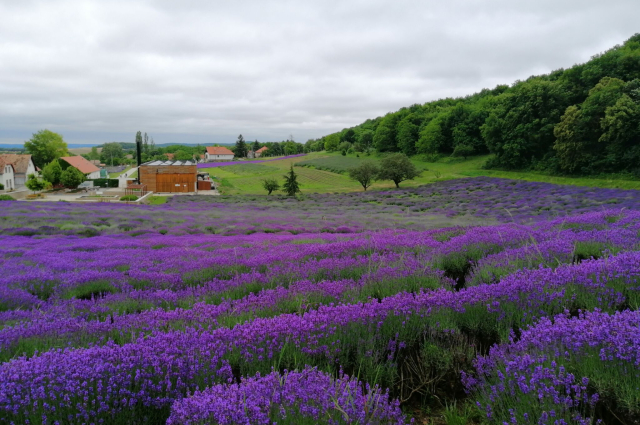
The Pannonhalma Lavender and Herb Garden is located in Pannonhalma, next to the Archabbey. The herb garden, modelled on the...
More
Batthyány Castle was built between 1858-1862 in the early historicist style. Dr. László Batthyány-Strattmann, a doctor for the...
More